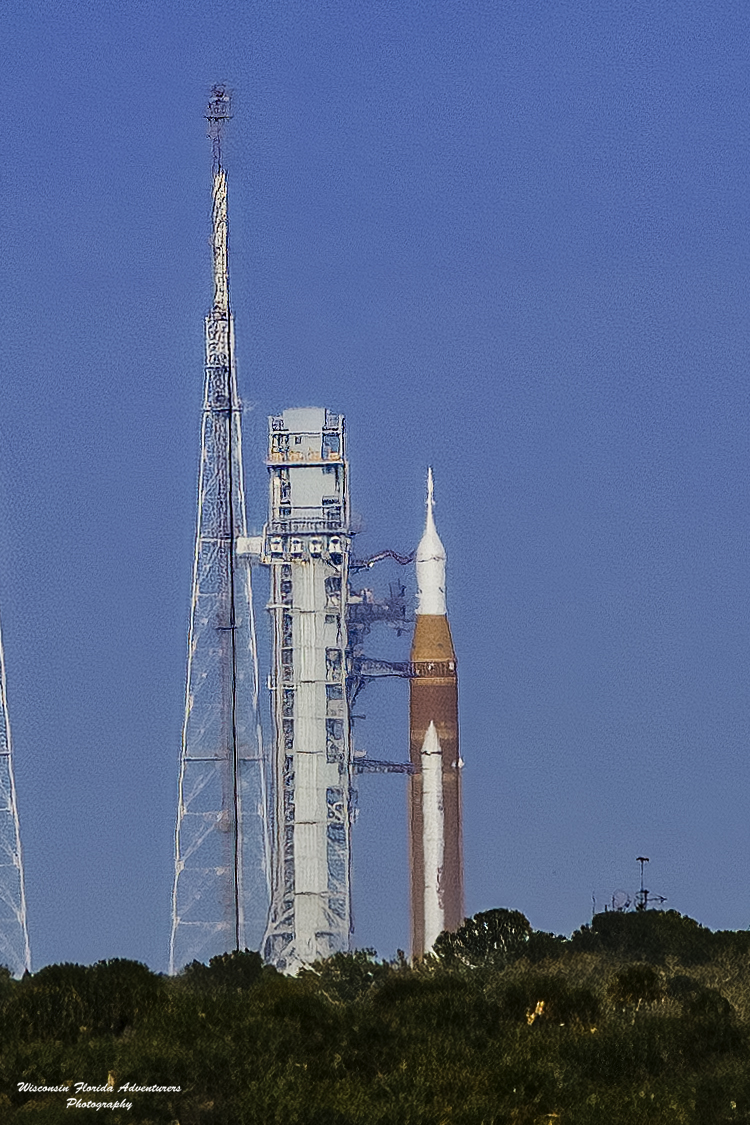
moon

Artemis II: A Milestone in Space Exploration

The Artemis II mission, which launched on April 1, 2026, represents a major milestone in modern space exploration. Organized by NASA, this mission is the first time humans have traveled beyond low Earth orbit since the Apollo era, more than 50 years ago. Artemis II is part of NASA’s broader Artemis program, which aims to return astronauts to the Moon and eventually prepare for human missions to Mars.
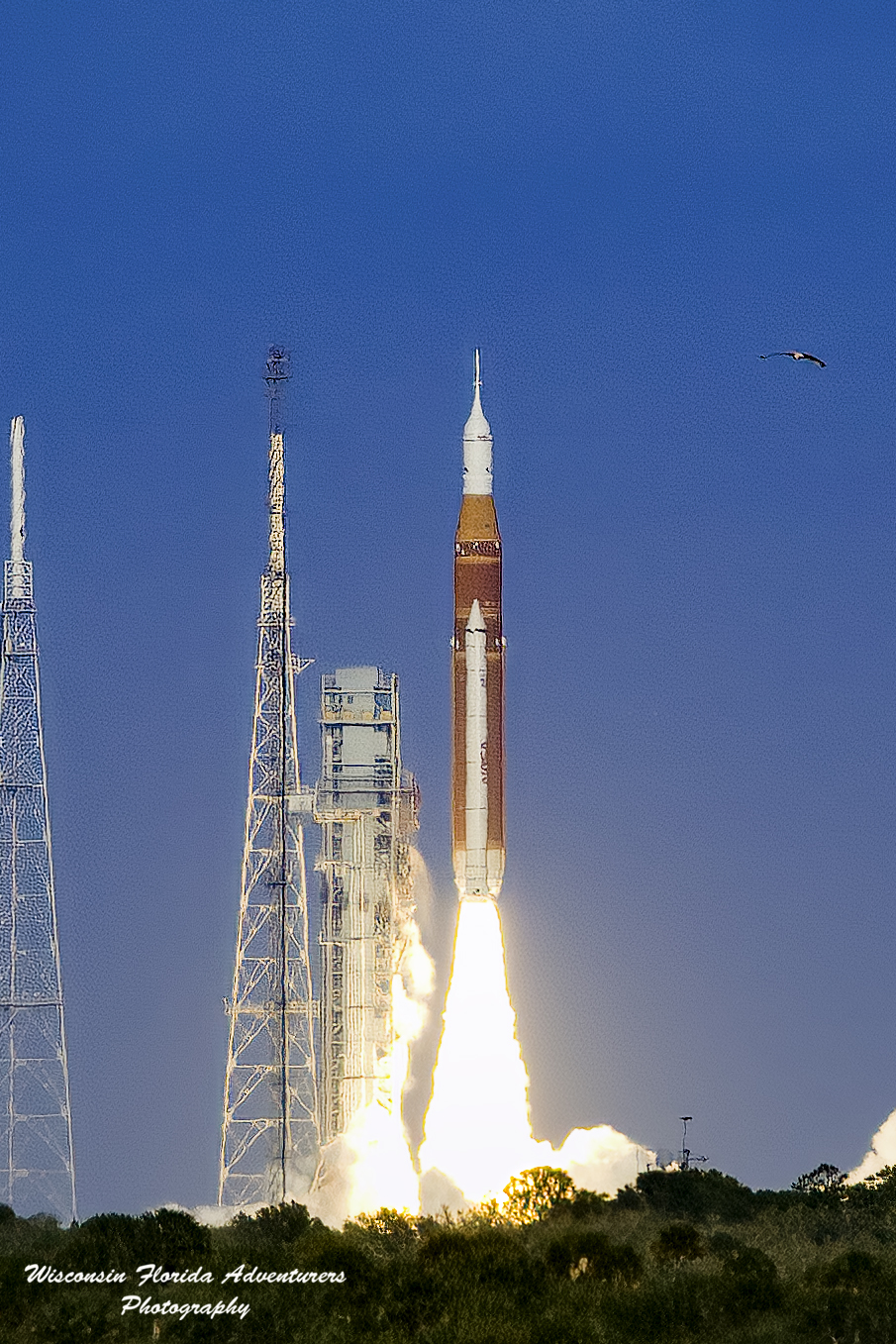
Artemis II launched from the Kennedy Space Center in Florida aboard the powerful Space Launch System rocket, carrying the Orion spacecraft and a crew of four astronauts: Reid Wiseman, Victor Glover, Christina Koch, and Jeremy Hansen. This diverse crew made history, including the first woman, the first Black astronaut, and the first Canadian to travel into deep space on a lunar mission.

The mission lasted about 10 days and followed a “lunar flyby” trajectory. Unlike the Apollo missions that landed on the Moon, Artemis II did not attempt a landing. Instead, it orbited around the Moon and returned to Earth, serving as a critical test flight for future missions. This path, known as a free-return trajectory, allows the spacecraft to loop around the Moon and naturally return to Earth using gravity, increasing safety for the crew.

One of the mission’s primary goals was to test the Orion spacecraft’s systems with astronauts onboard. These included life support, navigation, communication, and manual flight controls. Ensuring these systems work properly is essential before NASA attempts a crewed Moon landing in future missions like Artemis III.

During the journey, Artemis II traveled farther from Earth than any previous human mission, reaching over 250,000 miles away and surpassing the record set by Apollo 13. The astronauts observed the Moon up close, capturing images of its surface and experiencing views such as Earthrise, which provided both scientific data and emotional inspiration.
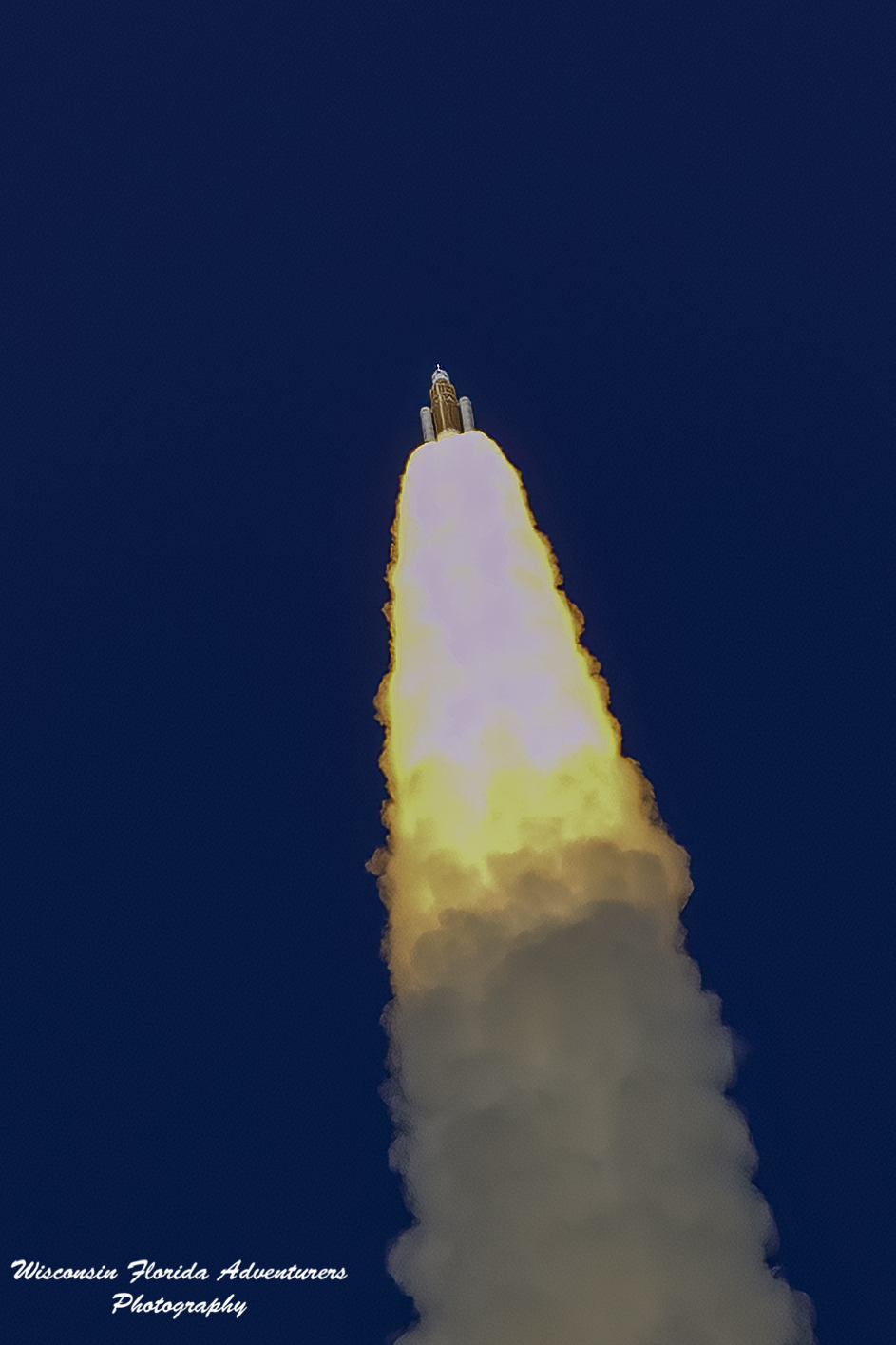
Artemis II is a historic step forward in space exploration. By successfully sending astronauts around the Moon and back, NASA demonstrated the technology and capability needed for future lunar landings. The mission not only advances scientific knowledge but also inspires a new generation to look toward the Moon—and beyond—as humanity continues its journey into deep space.

Slide show of complete launch below.

Apollo Saturn V Rocket: Triumph of Engineering Ingenuity

In the annals of human history, few technological achievements stand as tall, both literally and metaphorically, as the Apollo Saturn V rocket. This colossal machine, a marvel of engineering prowess and human determination, was the vehicle that propelled mankind beyond Earth’s atmosphere and onto the surface of the moon. Standing at a towering height of 363 feet (or 111 meters), the Saturn V was once the tallest, heaviest, and most powerful rocket ever successfully flown.

The genesis of the Saturn V rocket lies in the fervent ambitions of the United States to claim victory in the Space Race, a heated competition against the Soviet Union during the Cold War era. Conceived under the NASA Apollo program, the Saturn V was designed to fulfill the audacious goal set forth by President John F. Kennedy in 1961: to land humans on the moon and return them safely to Earth before the end of the decade.

DCIM100GOPROGOPR0137.JPG

The Saturn V was not merely a rocket; it was a triumph of engineering ingenuity. Comprising three main stages, each equipped with powerful engines and fuel tanks, the rocket was designed to deliver payloads beyond Earth’s orbit. The first stage, fueled by kerosene and liquid oxygen, generated a staggering 7.5 million pounds of thrust, propelling the rocket to an altitude of approximately 42 miles in just under 150 seconds.

Upon the exhaustion of its fuel, the first stage separated and fell away, allowing the second stage to ignite its engines. This stage, powered by liquid hydrogen and liquid oxygen, continued to push the spacecraft deeper into space. Finally, the third stage, known as the S-IVB, provided the necessary thrust to place the Apollo spacecraft into lunar orbit or on a trajectory towards the moon.

The Saturn V rocket’s legacy is indelibly linked with the success of the Apollo lunar missions. On July 16, 1969, Apollo 11 embarked on a journey that captivated the world. Astronauts Neil Armstrong, Buzz Aldrin, and Michael Collins were launched into space atop the mighty Saturn V, bound for humanity’s first steps on another celestial body.

As the world held its breath, the Saturn V performed flawlessly, propelling the Apollo spacecraft toward the moon. On July 20, 1969, Neil Armstrong descended the lunar module’s ladder and uttered those immortal words: “That’s one small step for man, one giant leap for mankind.” This historic achievement was made possible by the unparalleled capabilities of the Saturn V rocket.

Apollo Saturn 5

Beyond Apollo 11, the Saturn V continued to play a pivotal role in subsequent Apollo missions, including the successful landings of Apollo 12, 14, 15, 16, and 17 on the lunar surface. Each mission expanded humanity’s understanding of our nearest celestial neighbor and paved the way for future exploration of the cosmos.

The technological advancements and lessons learned from the Saturn V program have left an enduring legacy. The rocket’s development pushed the boundaries of aerospace engineering, inspiring subsequent generations of scientists, engineers, and dreamers. Moreover, the Apollo program demonstrated the profound capabilities of international collaboration and human ingenuity.

In retrospect, the Apollo Saturn V rocket stands as a testament to the heights humanity can achieve when driven by curiosity, determination, and a spirit of exploration. Its towering presence on the launch pad symbolized not just a mission to the moon, but a beacon of hope and possibility for all humankind.

As we look toward the future of space exploration, with plans for crewed missions to Mars and beyond, the legacy of the Saturn V serves as a reminder of what can be accomplished through perseverance and innovation. The Saturn V rocket will forever hold a place in history as a monumental achievement, embodying the dreams and aspirations of a generation who dared to reach for the stars.