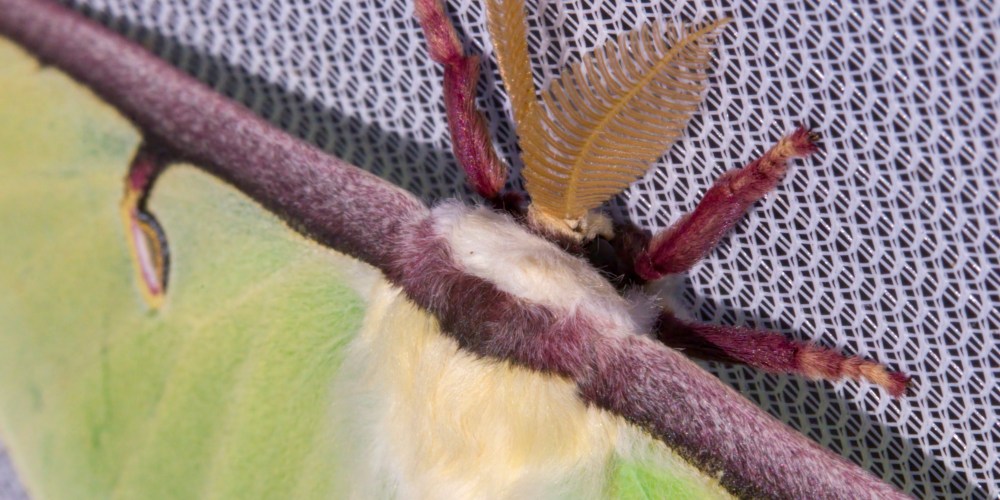
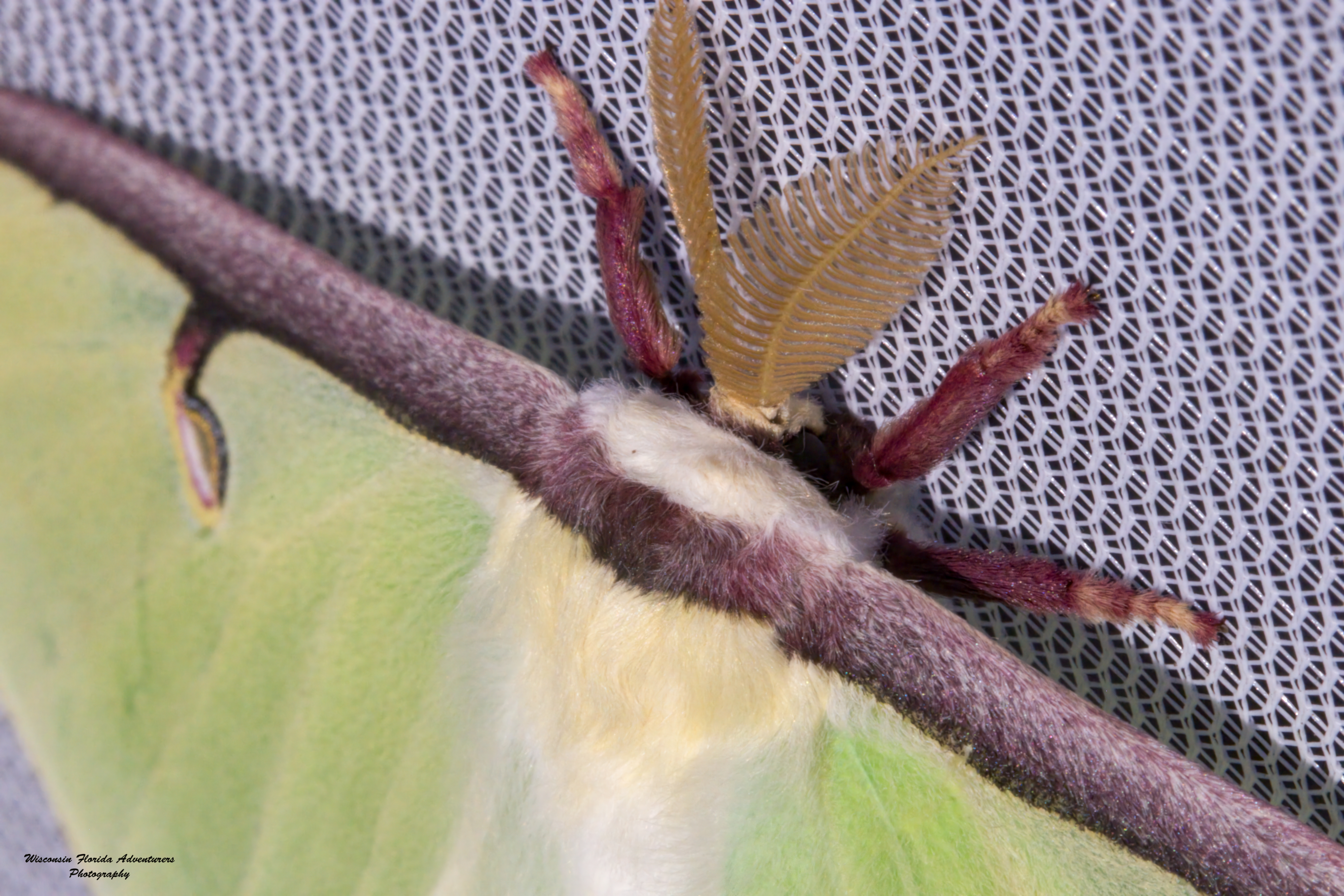
The life cycle of the Luna moth is a fascinating example of complete metamorphosis, consisting of four distinct stages: egg, larva (caterpillar), pupa (cocoon), and adult moth. Each stage serves a unique purpose in the insect’s development and survival, transforming it from a tiny egg into one of North America’s most recognizable and beautiful moths.
The cycle begins when a female luna moth lays her eggs shortly after mating. These eggs are typically deposited on the undersides of leaves of host plants such as walnut, hickory, sweetgum, or birch trees. The eggs are small, oval, and pale green, blending in with the foliage to avoid predators. Within about one to two weeks, depending on temperature and environmental conditions, the eggs hatch into larvae.
The larval stage is the primary feeding and growth phase. Newly hatched caterpillars are tiny but quickly begin consuming the leaves around them. As they grow, they pass through several stages known as instars, shedding their skin each time in a process called molting. Over the course of a few weeks, the caterpillar becomes bright green, with a plump body and small, colorful spots along its sides. It also develops a faint line running along its body and sparse hairs. During this stage, the caterpillar’s main goal is to eat as much as possible, storing energy that will sustain it through later stages. This period of rapid growth is critical, as the caterpillar must reach a sufficient size before transitioning to the next phase.
Once fully grown, the caterpillar prepares to pupate. It spins a silk cocoon, often incorporating leaves into its structure for camouflage. This cocoon is typically found on the ground among leaf litter or occasionally attached to a branch. Inside the cocoon, the caterpillar undergoes a remarkable transformation into a pupa. During this stage, which can last several weeks or even months, especially if the moth overwinters, the insect’s body is reorganized. Tissues are broken down and reformed into the structures of the adult moth, including wings, antennae, and reproductive organs. This hidden phase is one of the most dramatic changes in the insect world.
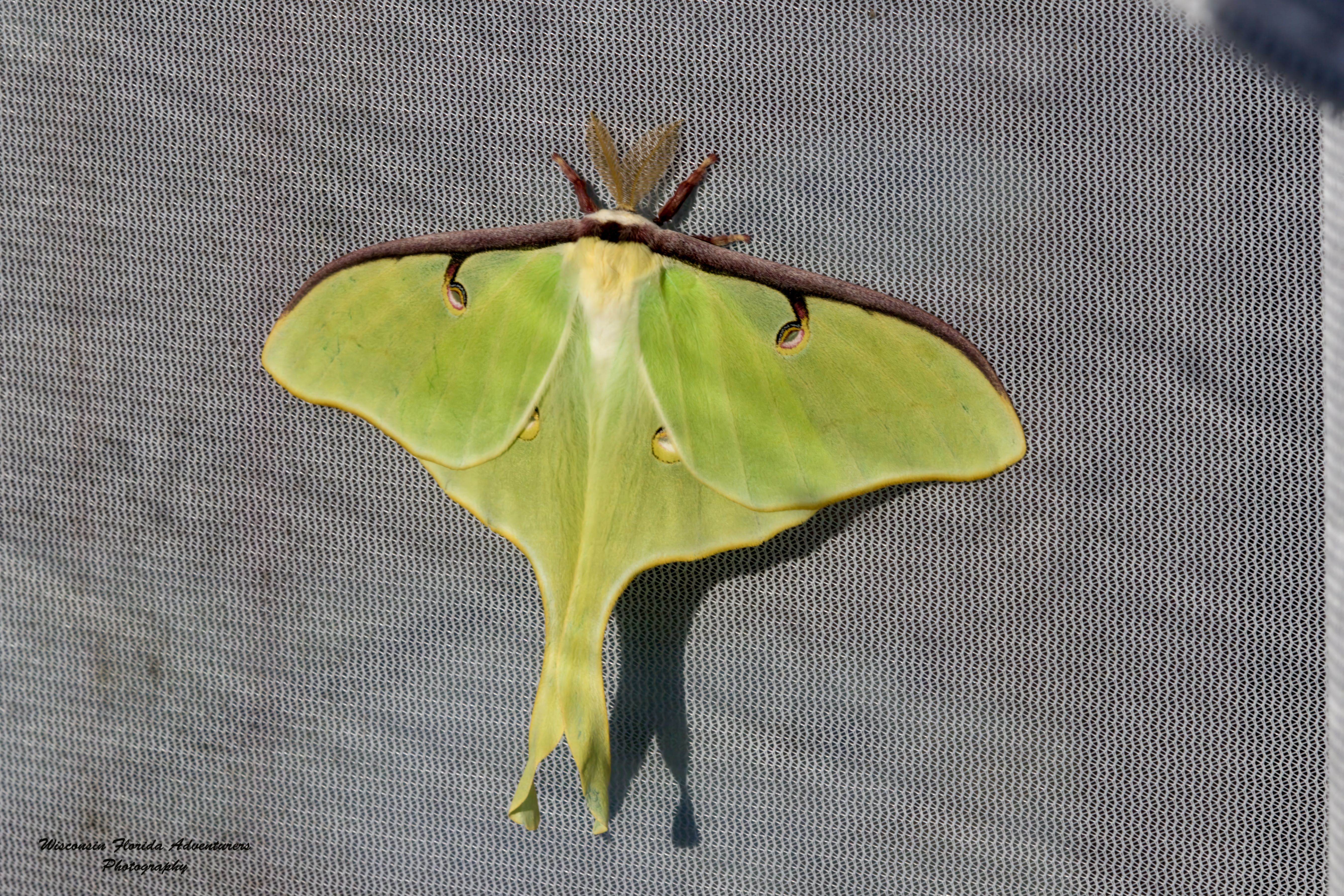
The final stage is the emergence of the adult luna moth. When development is complete, the moth secretes enzymes to soften the cocoon and then pushes its way out. At first, its wings are soft, crumpled, and wet. The moth must hang and pump fluid into its wings to expand them fully. Once expanded, the wings harden and dry, revealing the moth’s striking appearance: pale green wings with long, tapering tails and distinctive eye spots that may help deter predators.
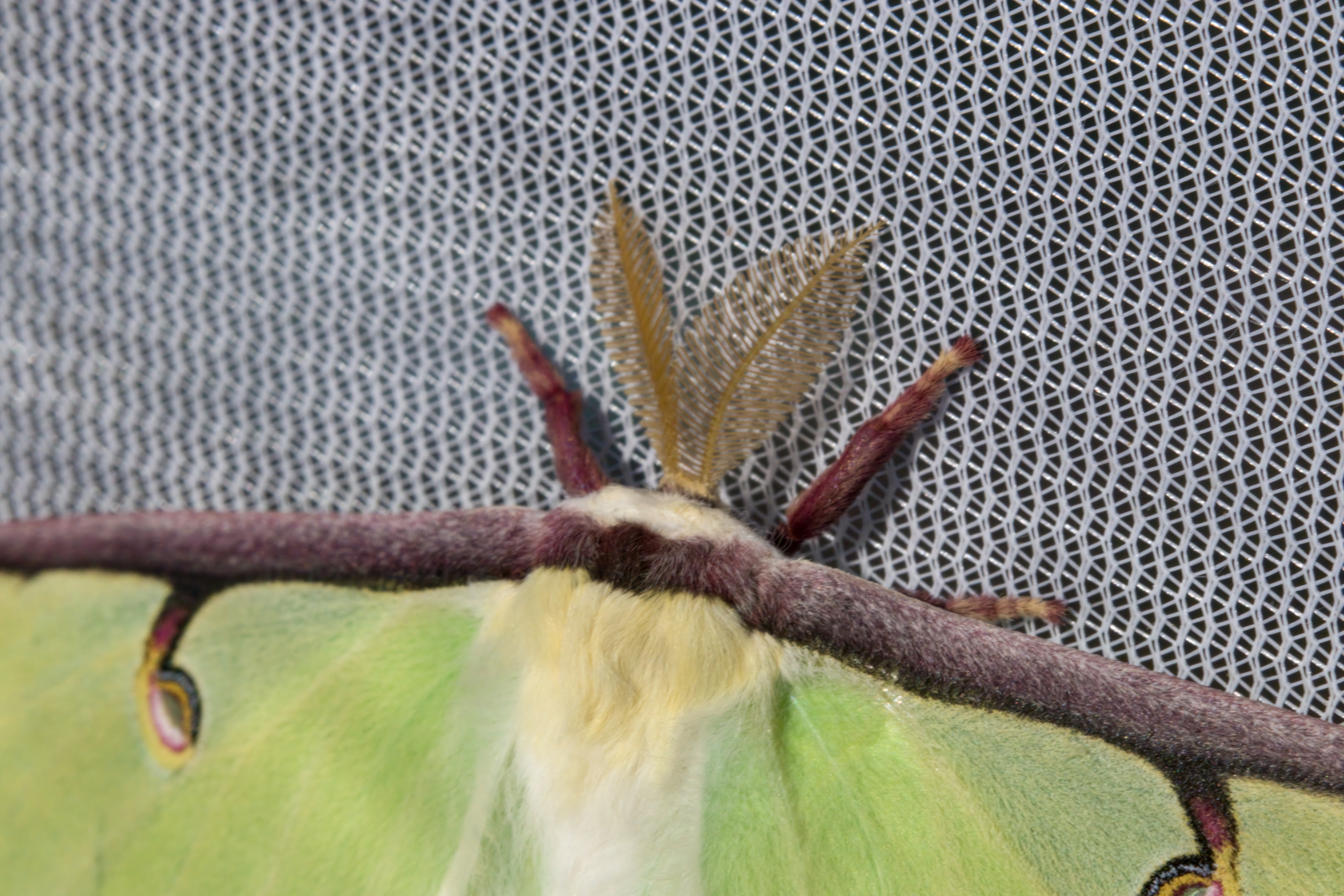
Adult luna moths have a very short lifespan, usually about one week. During this time, they do not eat, as they lack functional mouthparts. Instead, their sole purpose is reproduction. Females release pheromones to attract males, which can detect these chemical signals from great distances using their large, feathery antennae. After mating, the female lays eggs, beginning the cycle anew.
The luna moth’s life cycle is closely tied to seasonal changes. In warmer regions, there may be multiple generations per year, while in cooler climates, there is typically only one. This synchronization ensures that larvae have access to fresh leaves for feeding.
Overall, the Luna moth’s life cycle is a remarkable journey of transformation and adaptation. From a nearly invisible egg to a voracious caterpillar, then a hidden pupa, and finally a delicate, ethereal adult, each stage is finely tuned to maximize survival and continuation of the species.
 Wisconsin Florida Adventurers