Discover Hidden Elves at Bok Tower Garden

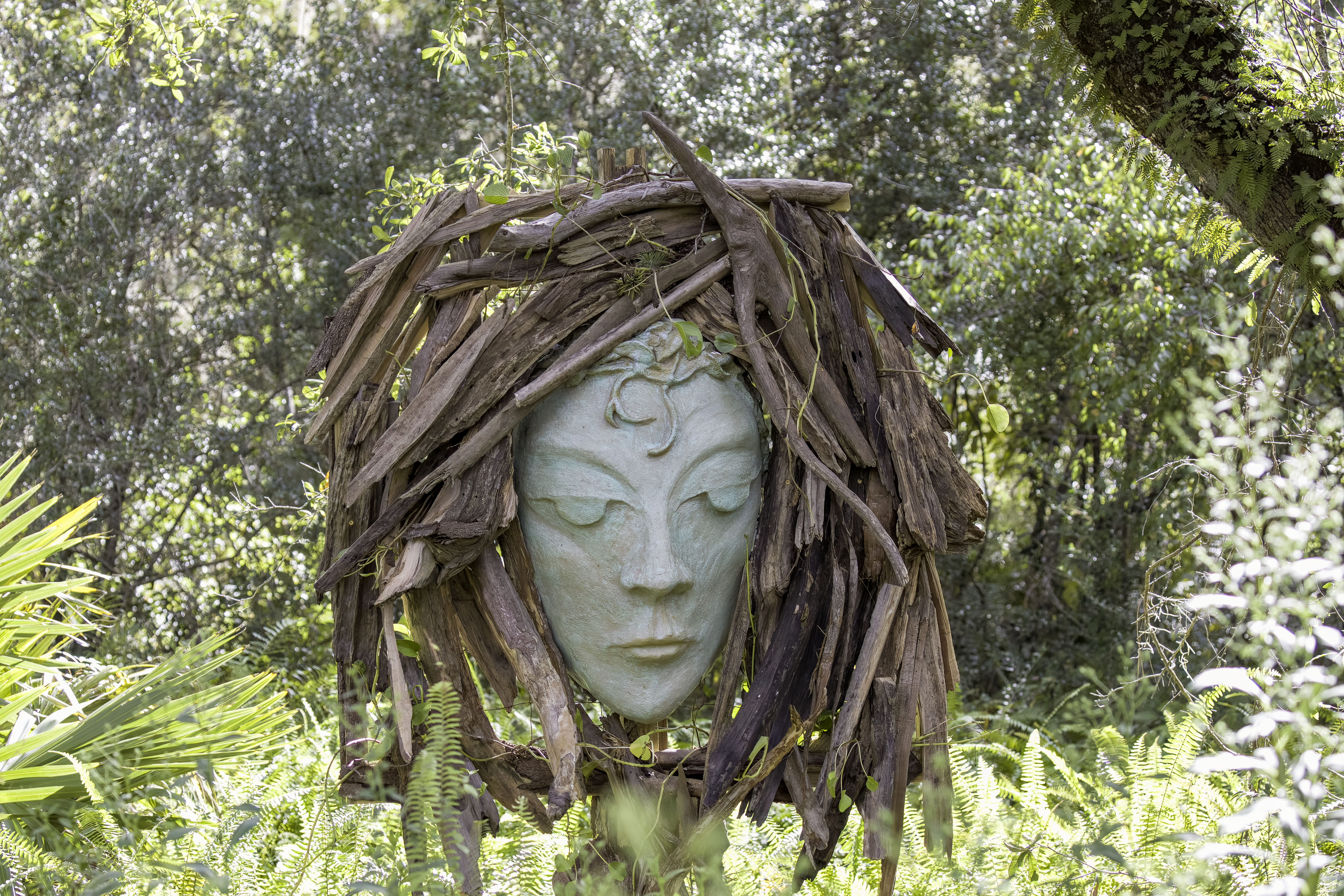
When you wander the shaded trails of Bok Tower Gardens in Lake Wales, Florida, you may notice something unexpected among the roots, ferns, and stones—small elf figures peeking from behind tree trunks or standing proudly beside miniature wooden houses. These tiny guardians of the garden are part of a whimsical tradition that blends imagination, nature, and storytelling, bringing a touch of enchantment to one of Florida’s most peaceful sanctuaries.

The elf figures are most commonly found along the Hammock Hollow Children’s Garden and the Fairy House Trail, where visitors of all ages can encounter little scenes that seem to belong to another world. Crafted from natural materials such as wood, stone, and moss, each elf appears mid-adventure—carrying acorns, leaning on twigs, or gazing up at the canopy as if listening to the songs of the carillon bells. Their placement is intentional yet subtle, inviting discovery rather than demanding attention. Children are encouraged to search for them quietly, to look closely at the details of bark, roots, and leaves, and in doing so, to connect more deeply with the surrounding landscape.

These elves embody the spirit of Edward W. Bok’s vision for the gardens: to inspire reflection, kindness, and appreciation for beauty in all its forms. They are not simply decorations but storytellers—symbols of the harmony between people and nature. Each small figure suggests that the forest is alive with unseen caretakers, preserving its peace and magic.

Walking the trails and spotting these hidden elves transforms an ordinary stroll into a journey of imagination. They remind us that wonder can live in the smallest corners of the world, that even in a carefully cultivated garden, mystery still blooms—and that perhaps, if you listen closely, you might hear an elf’s laughter carried softly on the Florida breeze.

C/2025 A6 (Lemmon): A Once-in-a-Lifetime Comet View

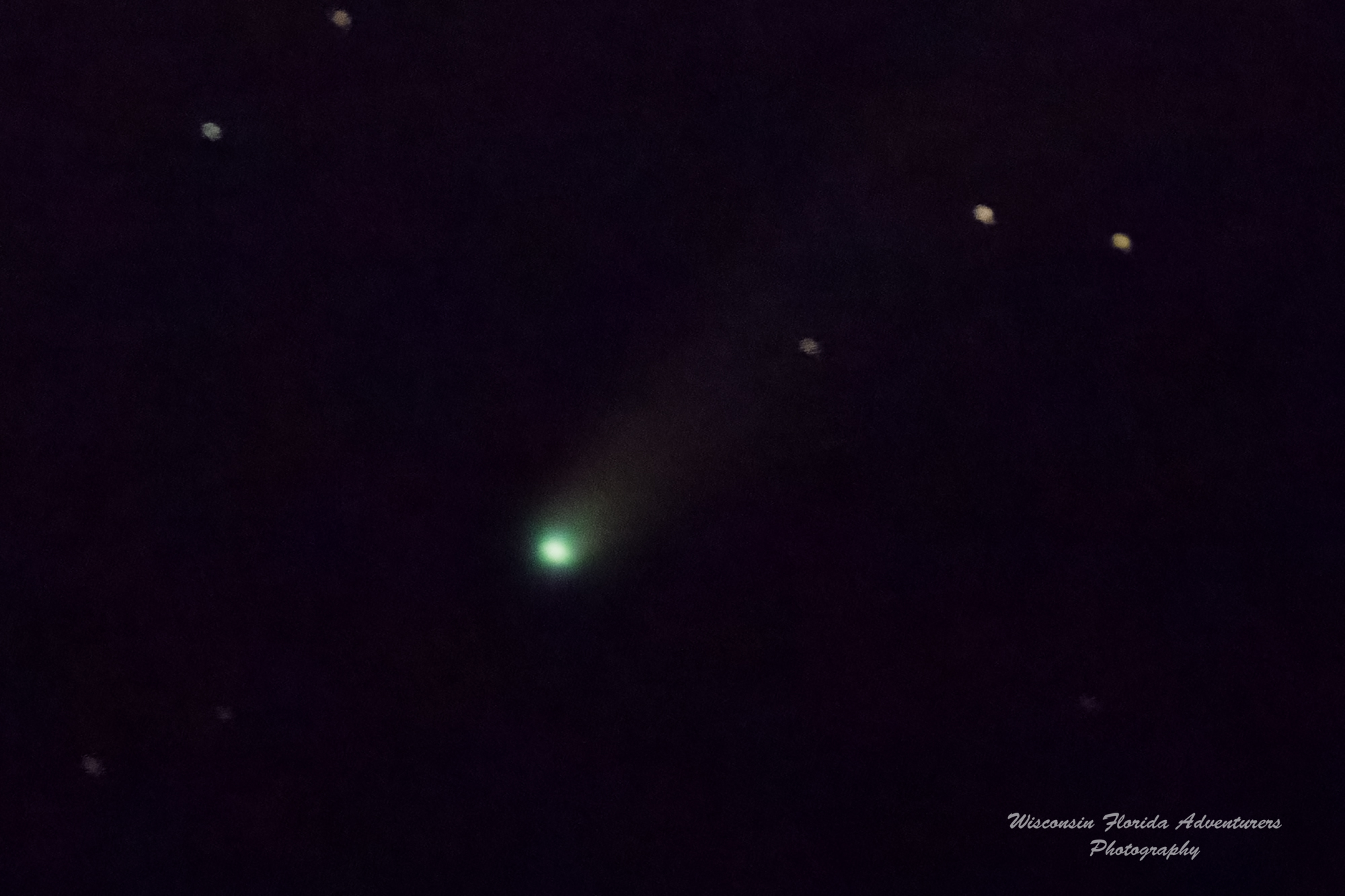
The comet known as C/2025 A6 (Lemmon) is quickly becoming a standout celestial visitor in 2025. Discovered on January 3 2025 by the Mount Lemmon Survey in Arizona, it was initially spotted at a very faint magnitude of about +21.5 when it was some 4.5 AU from the Sun. Astronomy+2Wikipedia+2

A rare appearance

The comet is classified as a long-period or non-periodic comet: its inbound orbital period is estimated at around ~1,350 years, and after its upcoming perihelion passage the period will shorten to about ~1,150 years. Wikipedia+1 This means that for virtually everyone alive today, this will be a once-in-a-lifetime opportunity to observe it.

Brightening and visibility

After its discovery, the comet has brightened dramatically, from magnitude ~21 to now an observed ~5 or brighter, depending on sky conditions. WIRED+1 Its closest approach to Earth occurs on October 21 2025, at a distance of about 0.596 AU (≈ 89 million km) from Earth. TheSkyLive Then it will reach perihelion (its closest point to the Sun) around November 8 2025, at about 0.53 AU. Wikipedia

Because of these factors, skywatchers are expecting it to possibly reach naked-eye visibility under dark skies (magnitudes of ~3.5 to ~4.4) late October into early November. IFLScience

What makes it special

The comet’s tail has already shown interesting behaviour: astrophotographers report a dust tail several degrees long and variations in the ion tail as solar wind interacts with the comet’s out-gassing. Wikipedia+1 Also, its bright greenish coma is caused by diatomic carbon (C₂) emissions when sunlight breaks up the gas in the coma — the same mechanism that gives some other comets their green glow. Live Science+1

How and when to see it

For observers in the Northern Hemisphere:

  • Look in the evening sky, low in the west after sunset, especially around late October. Star Walk+1
  • Use binoculars or a small telescope for the best chance; naked-eye viewing is possible only under dark, clear skies away from light pollution. Star Walk
  • Because the Moon is a new moon near the comet’s closest approach, the skies will be darker than usual — a bonus for comet hunting. Astronomy

Why catch it now

Since its return to the inner Solar System won’t happen for over a thousand years, this observation window is extremely limited. The comet will fade quickly after early November as it moves farther out, and its visibility will diminish. Star Walk


In short: C/2025 A6 (Lemmon) offers a rare and exciting chance to witness a bright, greenish comet with a prominent tail, visible in the coming weeks under good conditions. If you have access to a dark sky area and the right timing, it’s well worth the effort to look up.

Comet C/2023 A3: A Celestial Wonder

Comet C/2023 A3, officially named Comet Tsuchinshan–ATLAS, is a recently discovered celestial object that has sparked interest among astronomers and space enthusiasts alike. Identified in early 2023, this comet bears a dual designation reflecting the institutions responsible for its discovery: the Tsuchinshan Observatory in China and the Asteroid Terrestrial-impact Last Alert System (ATLAS) based in Hawaii. The discovery of this comet comes as a unique opportunity for astronomers to study a potentially bright and observable cometary object as it approaches the Sun, promising significant scientific and public attention if it brightens as anticipated in 2024.

The initial discovery of C/2023 A3 took place on January 9, 2023, when astronomers at the Tsuchinshan Observatory observed a faint object moving against the background stars. After its discovery, the comet’s orbit was calculated with the help of additional observations, including those from ATLAS, which helped verify its path and characteristics. Observations indicated that this comet follows a long-period orbit, meaning it originates from the distant Oort Cloud, a vast region of icy bodies that surrounds our Solar System. With an orbital period estimated to be in the millions of years, Comet C/2023 A3 may be approaching the inner Solar System for the first time, bringing with it pristine material from the early Solar System.

The comet’s closest approach to the Sun (perihelion) was on October 13, 2024, and to Earth on October 16, 2024. These dates are especially important for astronomers, as perihelion and close approach can result in the brightest and most active phases for a comet. The Comet C/2023 A3 became as bright as some of the more notable comets of recent years, it reached a magnitude bright enough to be visible to the naked eye. Observers in the Northern Hemisphere were able to witness an impressive spectacle during the fall of 2024, with the comet visible in the evening sky.

The brightening of C/2023 A3 as it neared the Sun was driven by the process of sublimation, where the ice within the comet’s nucleus turns directly into gas upon heating. This process releases gas and dust that formed the comet’s coma (a cloud-like atmosphere) and distinctive tail. As the comet approached the inner Solar System, sunlight and solar winds interacted with these materials, creating the iconic tails that we associate with comets. For C/2023 A3, this process revealed insights about its composition and structure, as observing its outgassing helped scientists understand the ratio of water ice to other ices, as well as the presence of organic molecules and dust.

Studying comets like C/2023 A3 is significant because they offer a glimpse into the Solar System’s early history. As primordial remnants from the time of planetary formation, comets contain pristine materials that have been largely unchanged for billions of years. They are, in essence, time capsules that hold clues about the conditions and processes that existed when the Sun and planets were forming. By analyzing the material released by C/2023 A3, scientists hope to learn more about the composition of the early Solar System, as well as gain insights into how planets and other bodies may have formed.

Comet C/2023 A3 (Tsuchinshan–ATLAS) presents a valuable opportunity for both scientists and amateur astronomers to observe and study a long-period comet. Its brightness and visibility has made it a memorable sight in 2024, offering both a celestial spectacle and a deeper understanding of our cosmic neighborhood.

Exploring Stilt Houses of New Port Richey

The stilt houses off New Port Richey, Florida, are a unique and picturesque feature of the Gulf Coast landscape, offering a glimpse into both the region’s cultural history and its adaptive architectural practices. These iconic structures, also known as “fish camps” or “stilt cottages,” were originally built in the early 20th century, primarily as temporary fishing outposts, though some were later modified for recreational use. Located just off the coastline in the shallow waters of the Gulf of Mexico, they stand on stilts above the water, creating a striking image of rustic beauty and resilience against the forces of nature.

Constructed from wood, with raised platforms that sit several feet above the water, the stilt houses are designed to withstand the changing tides and occasional storm surges that characterize the Gulf region. The houses, which are accessible only by boat, typically feature modest living spaces, with wooden decks offering panoramic views of the surrounding water and wetlands. Many of these houses have weathered multiple hurricanes and storms, testaments to the ingenuity and craftsmanship of their builders.

Historically, these stilt houses were built by local fishermen who needed a convenient place to store their equipment and take shelter while working the abundant fishing grounds just offshore. Over time, the houses became popular for recreational purposes as well, providing a peaceful retreat for those seeking to escape the bustling mainland. Although they were once more numerous, many of these structures have been lost to time and weather, leaving a small but cherished number still standing.

The stilt houses have become a symbol of the region’s heritage and an important part of local identity. In recent years, preservation efforts have been made to maintain the remaining structures, as they face the constant threat of erosion, storms, and the strict regulations governing their repair and reconstruction. While no new stilt houses are allowed to be built due to environmental and zoning laws, the existing ones offer a rare and protected glimpse into the Gulf Coast’s past. Today, they are admired by boaters and kayakers, serving as both a reminder of Florida’s rich maritime history and a serene escape from modern life.

Discover Florida’s Gulf Coast: Top 10 Beaches Unveiled

Florida’s Gulf Coast is a paradise for beach lovers, boasting some of the most pristine and picturesque beaches in the world. With powdery white sands, crystal-clear waters, and a variety of activities, these beaches offer something for everyone. Here’s a closer look at the top 10 beaches on Florida’s Gulf Coast.

1. Siesta Key Beach

Renowned for its quartz sand that stays cool under the sun, Siesta Key Beach in Sarasota consistently ranks among the best beaches in the United States. The sand’s fine, powdery texture and the beach’s expansive shore make it ideal for sunbathing, playing volleyball, or simply enjoying a leisurely walk. With shallow waters and lifeguards on duty, it’s a perfect destination for families.

2. Clearwater Beach

Clearwater Beach lives up to its name with its clear, shallow waters and soft, white sand. Located near Tampa, this beach is a lively spot with a bustling promenade lined with shops, restaurants, and entertainment options. It’s also a hub for water sports like parasailing and jet skiing. The nearby Pier 60 is a great spot for fishing and catching spectacular sunsets.

3. Sanibel Island

Sanibel Island is a shell collector’s dream. The island’s unique east-west orientation allows it to catch abundant sea shells, earning it the nickname “Shell Capital of the World.” Bowman’s Beach is a favorite for its serene atmosphere and excellent shelling opportunities. The island also offers biking trails, wildlife refuges, and charming boutiques and cafes.

4. Captiva Island

Adjacent to Sanibel, Captiva Island offers a more secluded and tranquil beach experience. The island’s beaches are perfect for those looking to escape the crowds and immerse themselves in nature. The sunsets here are nothing short of magical, painting the sky with vibrant hues of orange and pink. Captiva’s quaint village feel adds to its charm, making it a perfect getaway.

5. St. Pete Beach

St. Pete Beach is known for its wide, sandy shores and clear, warm waters. It’s an ideal destination for relaxation and recreation, offering everything from paddleboarding and parasailing to beachside dining and nightlife. The historic Don CeSar Hotel, a pink palace standing majestically on the shoreline, adds a touch of glamour to this beautiful beach.

6. Fort De Soto Park

Located in Tierra Verde, Fort De Soto Park is a gem with pristine beaches, a historic fort, nature trails, and camping facilities. The park’s North Beach is particularly popular for its calm, shallow waters, making it perfect for swimming and kayaking. Birdwatchers and nature enthusiasts will also appreciate the park’s rich biodiversity.

7. Naples Beach

Naples Beach is a haven for those seeking a more upscale beach experience. The soft, sandy shores are perfect for sunbathing, and the calm waters are great for swimming and paddleboarding. The iconic Naples Pier offers excellent fishing opportunities and is a fantastic spot to watch dolphins and enjoy stunning sunsets.

8. Destin Beach

Often referred to as the “Emerald Coast” due to its clear, green waters, Destin Beach is a favorite for fishing, boating, and beachgoing. The sand here is exceptionally white and soft, creating a striking contrast with the emerald waters. Destin’s vibrant harbor is lined with seafood restaurants and shops, adding to the beach’s appeal.

9. Anna Maria Island

Anna Maria Island offers a laid-back atmosphere with beautiful beaches like Coquina Beach and Manatee Public Beach. This charming island is perfect for a relaxed beach day, with its clear waters, gentle waves, and old-Florida charm. The island’s small-town feel and friendly locals make it a welcoming destination.

10. Marco Island

Marco Island features wide, sandy beaches with gentle waves, making it a great destination for families. Tigertail Beach, in particular, is popular among nature lovers and shell collectors. The island’s natural beauty, combined with its array of water activities like kayaking and paddleboarding, ensures there’s always something to do.

Florida’s Gulf Coast is a treasure trove of stunning beaches, each offering unique experiences. Whether you’re looking for bustling tourist spots or serene, natural settings, these top 10 beaches are sure to provide unforgettable memories. So pack your sunscreen, grab your beach towel, and get ready to explore the best of Florida’s Gulf Coast!

Apollo Saturn V Rocket: Triumph of Engineering Ingenuity

In the annals of human history, few technological achievements stand as tall, both literally and metaphorically, as the Apollo Saturn V rocket. This colossal machine, a marvel of engineering prowess and human determination, was the vehicle that propelled mankind beyond Earth’s atmosphere and onto the surface of the moon. Standing at a towering height of 363 feet (or 111 meters), the Saturn V was once the tallest, heaviest, and most powerful rocket ever successfully flown.

The genesis of the Saturn V rocket lies in the fervent ambitions of the United States to claim victory in the Space Race, a heated competition against the Soviet Union during the Cold War era. Conceived under the NASA Apollo program, the Saturn V was designed to fulfill the audacious goal set forth by President John F. Kennedy in 1961: to land humans on the moon and return them safely to Earth before the end of the decade.

DCIM100GOPROGOPR0137.JPG

The Saturn V was not merely a rocket; it was a triumph of engineering ingenuity. Comprising three main stages, each equipped with powerful engines and fuel tanks, the rocket was designed to deliver payloads beyond Earth’s orbit. The first stage, fueled by kerosene and liquid oxygen, generated a staggering 7.5 million pounds of thrust, propelling the rocket to an altitude of approximately 42 miles in just under 150 seconds.

Upon the exhaustion of its fuel, the first stage separated and fell away, allowing the second stage to ignite its engines. This stage, powered by liquid hydrogen and liquid oxygen, continued to push the spacecraft deeper into space. Finally, the third stage, known as the S-IVB, provided the necessary thrust to place the Apollo spacecraft into lunar orbit or on a trajectory towards the moon.

The Saturn V rocket’s legacy is indelibly linked with the success of the Apollo lunar missions. On July 16, 1969, Apollo 11 embarked on a journey that captivated the world. Astronauts Neil Armstrong, Buzz Aldrin, and Michael Collins were launched into space atop the mighty Saturn V, bound for humanity’s first steps on another celestial body.

As the world held its breath, the Saturn V performed flawlessly, propelling the Apollo spacecraft toward the moon. On July 20, 1969, Neil Armstrong descended the lunar module’s ladder and uttered those immortal words: “That’s one small step for man, one giant leap for mankind.” This historic achievement was made possible by the unparalleled capabilities of the Saturn V rocket.

Apollo Saturn 5

Beyond Apollo 11, the Saturn V continued to play a pivotal role in subsequent Apollo missions, including the successful landings of Apollo 12, 14, 15, 16, and 17 on the lunar surface. Each mission expanded humanity’s understanding of our nearest celestial neighbor and paved the way for future exploration of the cosmos.

The technological advancements and lessons learned from the Saturn V program have left an enduring legacy. The rocket’s development pushed the boundaries of aerospace engineering, inspiring subsequent generations of scientists, engineers, and dreamers. Moreover, the Apollo program demonstrated the profound capabilities of international collaboration and human ingenuity.

In retrospect, the Apollo Saturn V rocket stands as a testament to the heights humanity can achieve when driven by curiosity, determination, and a spirit of exploration. Its towering presence on the launch pad symbolized not just a mission to the moon, but a beacon of hope and possibility for all humankind.

As we look toward the future of space exploration, with plans for crewed missions to Mars and beyond, the legacy of the Saturn V serves as a reminder of what can be accomplished through perseverance and innovation. The Saturn V rocket will forever hold a place in history as a monumental achievement, embodying the dreams and aspirations of a generation who dared to reach for the stars.

Space Shuttle Atlantis: Unveiling the Legacy of Human Space Exploration

In the vast panorama of human exploration, few vehicles have captured the imagination and pushed the boundaries of our understanding like the Space Shuttle Atlantis. Part of NASA’s storied Space Shuttle program, Atlantis holds a special place in the hearts of space enthusiasts and historians alike. Let’s take a journey through its illustrious history and explore the impact it had on space exploration.

Atlantis was named after RV Atlantis, a two-masted sailing ship that operated as a research vessel for the Woods Hole Oceanographic Institution from 1930 to 1966. The shuttle itself was delivered to NASA in 1985, making it the fourth operational shuttle in the fleet. Its maiden flight, STS-51-J, took place on October 3, 1985, and marked the beginning of a remarkable career in space exploration.

Throughout its operational life, Atlantis undertook a multitude of missions critical to the construction and servicing of the International Space Station (ISS), deploying satellites, conducting scientific experiments, and even performing important repair missions to the Hubble Space Telescope.

One of the most iconic moments in Atlantis’s history was its role in servicing the Hubble Space Telescope. The telescope, a pinnacle of astronomical observation, required periodic maintenance and upgrades to ensure its scientific capabilities remained at the cutting edge. Atlantis undertook several missions to the Hubble, including the final servicing mission in 2009 (STS-125), which extended the telescope’s operational life and significantly enhanced its scientific potential.

Atlantis

Atlantis played a pivotal role in the construction and resupply of the International Space Station (ISS), a collaborative effort involving multiple nations to establish a permanent human presence in space. Its missions included delivering crucial components like the Russian-built Zarya module and conducting assembly tasks that laid the foundation for the ISS’s expansive growth over the years.

Atlantis

Beyond its technical achievements, Atlantis became an iconic symbol of human ingenuity and determination. Its missions captured the public’s imagination and inspired generations to pursue careers in science, technology, engineering, and mathematics (STEM). The shuttle’s ability to ferry astronauts and cargo to space, coupled with its capability to return safely to Earth, marked a new era in space travel.

Atlantis

Atlantis also played a significant role in bridging the gap between the end of the Apollo program and the dawn of new space exploration initiatives. It served as a workhorse for NASA, embodying the agency’s commitment to pushing the boundaries of human knowledge and exploration.

After 33 successful missions spanning over 25 years, Atlantis flew its final mission (STS-135) on July 8, 2011, marking the end of the Space Shuttle program. This poignant moment signified the conclusion of an era in space exploration but paved the way for new endeavors, including NASA’s focus on deep space exploration and partnerships with private companies like SpaceX and Boeing.

Today, Atlantis stands as a testament to human achievement in space exploration. It is displayed with pride at the Kennedy Space Center Visitor Complex in Florida, where visitors can marvel at its sheer size and the technological prowess it represents. Its legacy lives on in the memories of those who witnessed its missions and in the continued pursuit of scientific discovery and exploration beyond Earth’s bounds.

The Space Shuttle Atlantis remains a symbol of human innovation, resilience, and the relentless pursuit of knowledge. Its missions, from launching satellites to servicing the Hubble Space Telescope and assembling the ISS, have left an indelible mark on space exploration history. As we look to the future of space travel, we can draw inspiration from Atlantis’s legacy—a legacy of pushing boundaries, overcoming challenges, and daring to reach for the stars.

In the grand tapestry of our journey beyond Earth, Atlantis shines brightly—a beacon of our collective aspiration to explore, discover, and understand the cosmos.

Fort De Soto: Where History Meets Nature

Nestled on the sun-kissed shores of Florida’s Gulf Coast lies Fort De Soto, a captivating blend of history and natural beauty. This coastal gem, named after the Spanish explorer Hernando de Soto, boasts a storied past and a pristine landscape that beckons visitors year-round.

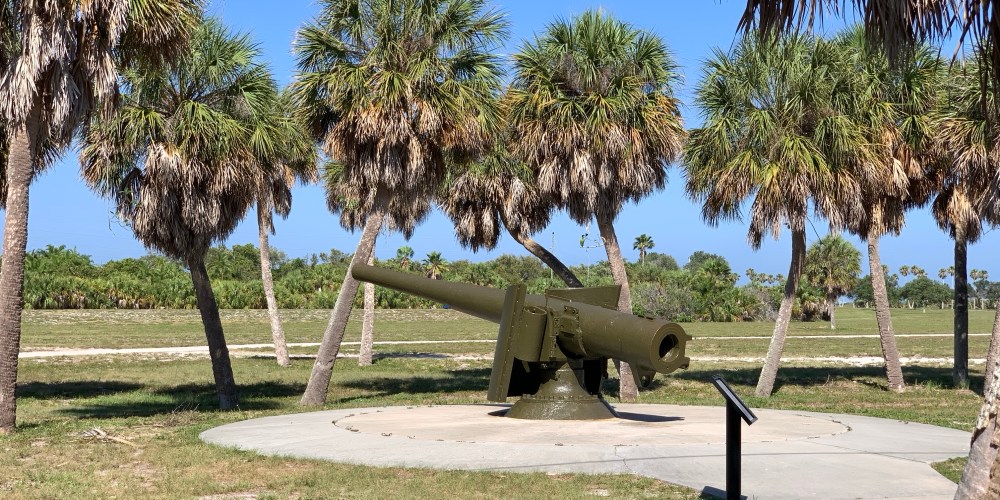
Originally constructed during the late 19th century as a strategic defense post, Fort De Soto played a crucial role in safeguarding Tampa Bay during the Spanish-American War. Today, remnants of its military past, including well-preserved gun batteries and barracks, offer a glimpse into the region’s rich history.

But Fort De Soto is more than just a historical landmark – it’s also a haven for outdoor enthusiasts and nature lovers alike. Miles of pristine beaches invite visitors to stroll along the shore, collect seashells, or simply soak up the sun’s warm rays. The park’s diverse ecosystems, from lush mangrove forests to saltwater marshes, provide ample opportunities for exploration and wildlife spotting.

Fort De Soto Beach isn’t just a haven for sunbathers and shell collectors – it’s also a paradise for birdwatchers and photographers. With its diverse habitats and abundant birdlife, this coastal gem offers endless opportunities to capture stunning images of feathered friends in their natural environment.

From graceful herons and majestic ospreys to colorful shorebirds, roseate spoonbills and pelicans, Fort De Soto is home to a wide variety of avian species. Whether you’re an experienced bird photographer or a novice with a passion for nature photography, the park’s scenic landscapes and abundant wildlife provide the perfect backdrop for capturing breathtaking shots.

For those seeking adventure, Fort De Soto offers a variety of outdoor activities to enjoy. Kayaking around the park area provides a unique perspective on the coastal landscape, while cyclists can traverse scenic trails that wind through the park’s picturesque surroundings. Fishing enthusiasts will find plenty of spots to cast a line, whether from the park’s fishing piers or along the shoreline.

Fort De Soto County Park is also a fantastic destination for families. Children can splash and play in the park’s designated swimming areas, build sandcastles on the beach, or embark on nature walks to discover the wonders of the natural world. Picnic pavilions and playgrounds provide ample opportunities for family gatherings and outdoor fun.

But perhaps the most enchanting aspect of Fort De Soto is its ability to provide moments of tranquility and escape. Watching a breathtaking sunset over the Gulf of Mexico, spotting dolphins playing in the waves, or simply listening to the gentle rustle of palm fronds – these are the moments that make Fort De Soto a truly special destination.

Whether you’re a history buff, a nature enthusiast, or simply seeking a peaceful retreat by the sea, Fort De Soto offers something for everyone. So pack your sunscreen, grab your camera, and embark on an unforgettable journey to this captivating coastal paradise.

Fort De Soto

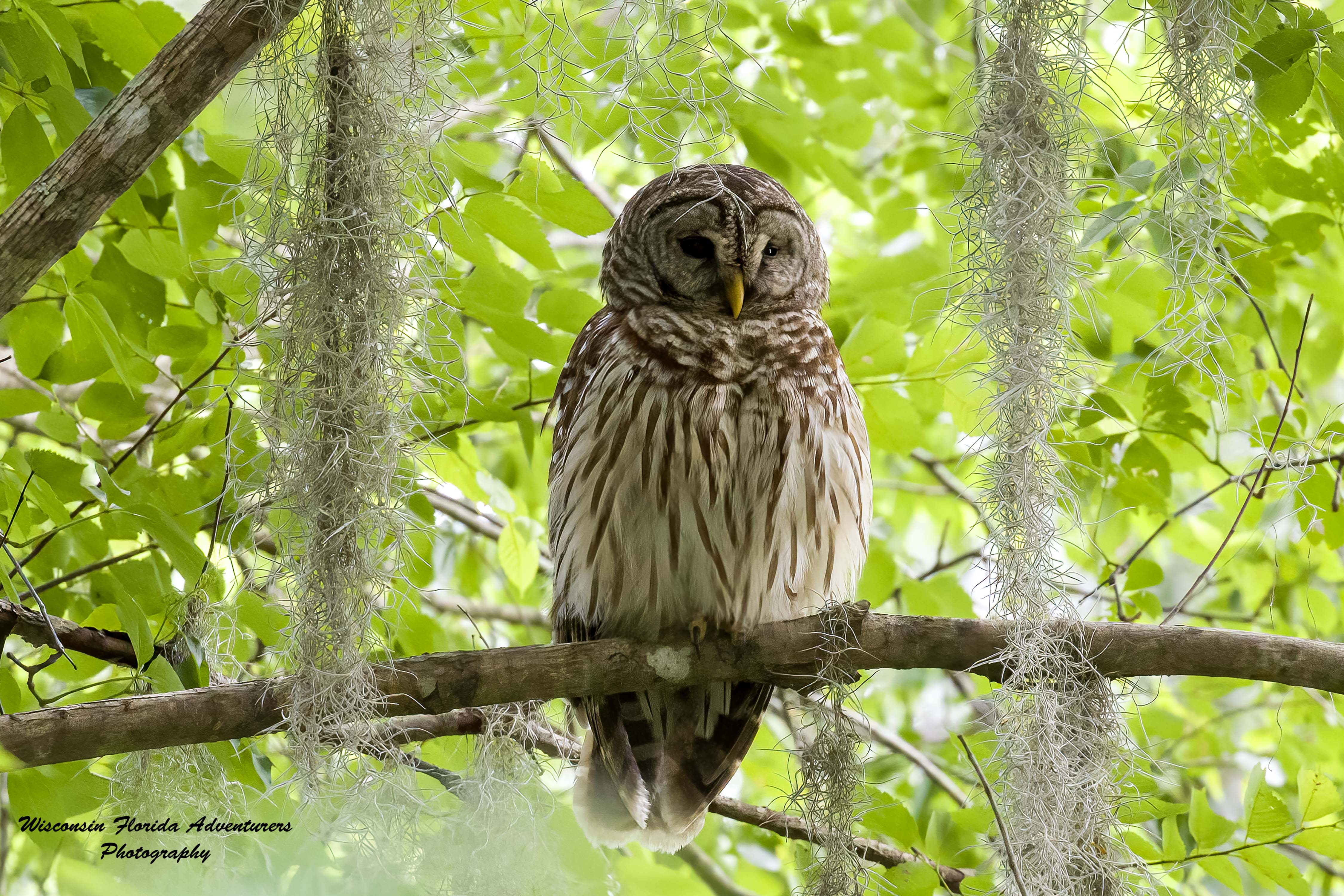
The Barred Owl and Owlets at Circle B Bar Reserve

Nestled within the heart of Florida’s natural landscape, Circle B Bar Reserve stands as a testament to the region’s rich biodiversity and ecological significance. Among its diverse inhabitants, the barred owl and its owlets reign supreme, captivating visitors with their majestic presence and endearing family dynamics. There is a unique relationship between the barred owl and owlets at Circle B Bar Reserve, highlighting their role in the reserve’s ecosystem and the conservation efforts aimed at ensuring their continued existence.

Circle B Bar Reserve provides an ideal habitat for the barred owl, with its extensive wetlands, oak hammocks, and abundant prey species. These adaptable birds of prey thrive in the reserve’s diverse landscape, utilizing its resources to establish territories, build nests, and raise their young. Their haunting hoots echo through the forest, serving as a reminder of their presence and vital role in maintaining ecological balance.

Within the tranquil confines of Circle B Bar Reserve, barred owls engage in the timeless rituals of courtship and nesting. During the breeding season, which typically occurs from February to May, pairs of barred owls engage in elaborate displays of affection, including duets of hoots and mutual preening. Once a suitable nest site is selected, often a hollow tree cavity or abandoned hawk nest, the female lays 2-4 eggs, which she diligently incubates while the male provides food.

The arrival of owlets marks an exciting occasion in the lives of barred owl parents as well as visitors to Circle B Bar Reserve. With the hatching of their offspring, the parents assume the role of devoted caregivers, providing warmth, protection, and nourishment to their vulnerable chicks. The owlets, adorned with fluffy down feathers, rely entirely on their parents for sustenance, eagerly consuming regurgitated prey items delivered with precision and care.

As the owlets grow, they embark on a journey of discovery within the confines of their nest and the surrounding habitat. Under the watchful gaze of their parents, they begin to explore their surroundings, testing their wings and developing essential skills for survival. Guided by instinct and parental guidance, they learn to recognize prey, navigate their environment, and eventually take flight into the world beyond the nest.

The barred owl and owlets of Circle B Bar Reserve serve as invaluable educational resources, offering visitors a firsthand glimpse into the wonders of avian parenthood and wildlife conservation. Visitors gain a deeper appreciation for the interconnectedness of all living things and the importance of preserving natural habitats for future generations.

Despite the sanctuary provided by Circle B Bar Reserve, barred owls and their owlets face numerous challenges and threats to their survival. Habitat loss, fragmentation, and human disturbance pose significant risks to their nesting sites and food sources. In response, conservation efforts have been initiated to mitigate these threats, including habitat restoration, invasive species management, and public outreach campaigns aimed at raising awareness about the plight of these magnificent birds.

As stewards of Circle B Bar Reserve and guardians of its natural heritage, it is our collective responsibility to ensure the continued existence of the barred owl and its owlets for generations to come. By supporting conservation efforts, fostering an appreciation for nature, and preserving critical habitat corridors, we can safeguard the sanctuary of life that thrives within the reserve’s boundaries.

In the tranquil embrace of Circle B Bar Reserve, the barred owl and its owlets stand as ambassadors of the natural world, inspiring awe and wonder in all who encounter them. Through their resilience, adaptability, and unwavering parental devotion, they embody the timeless beauty and complexity of nature, reminding us of our interconnectedness and shared responsibility to protect and preserve the fragile ecosystems that sustain us all.

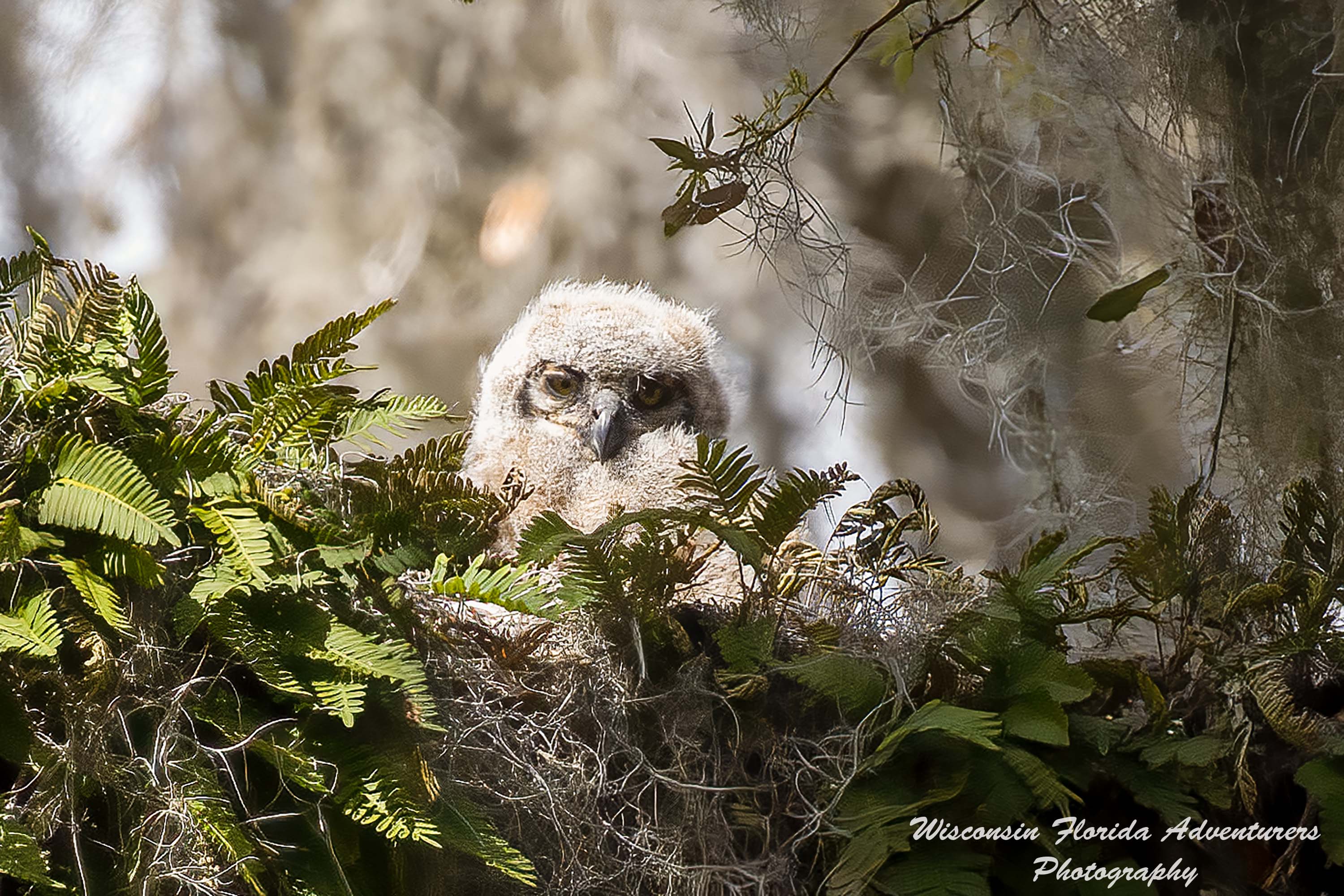
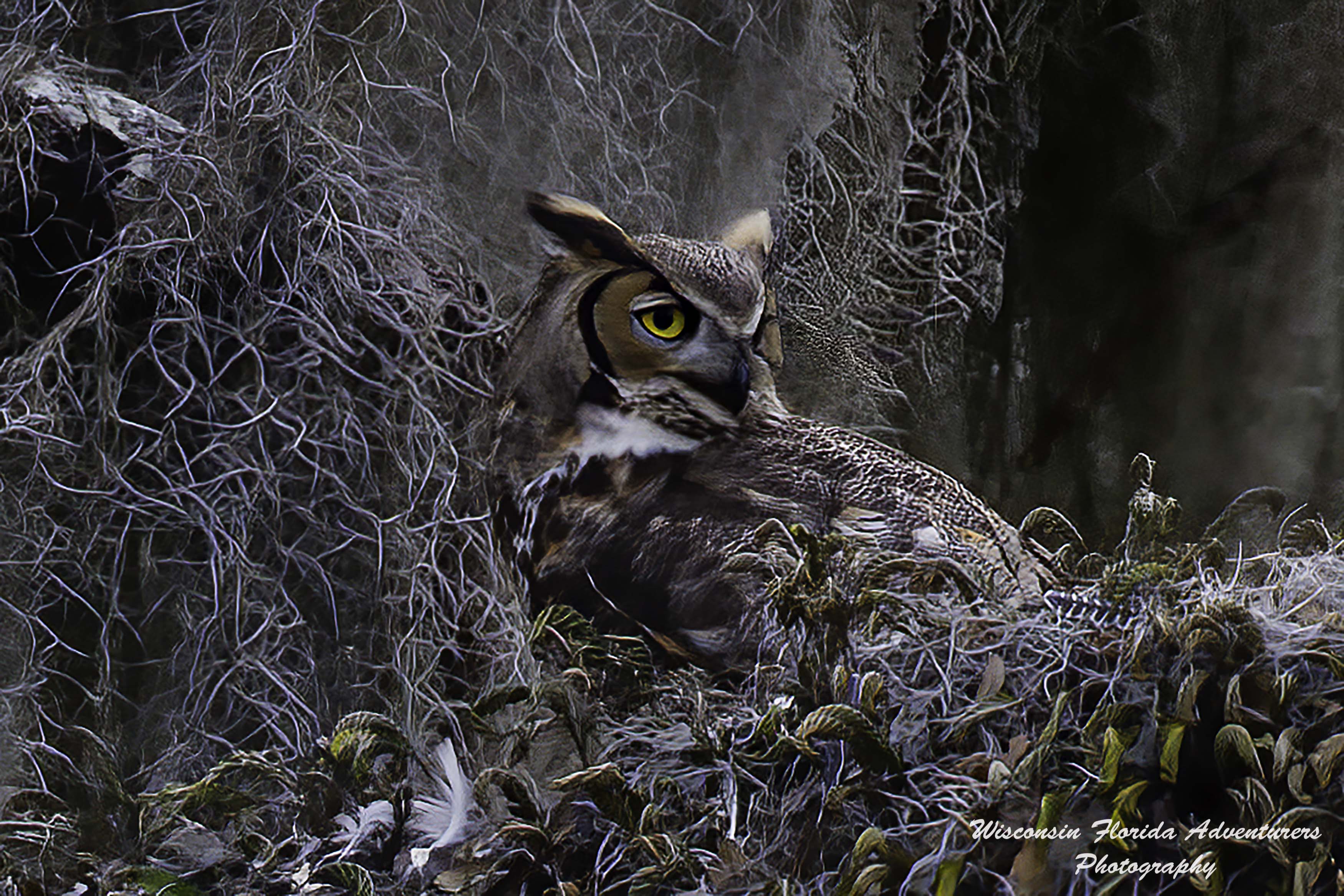
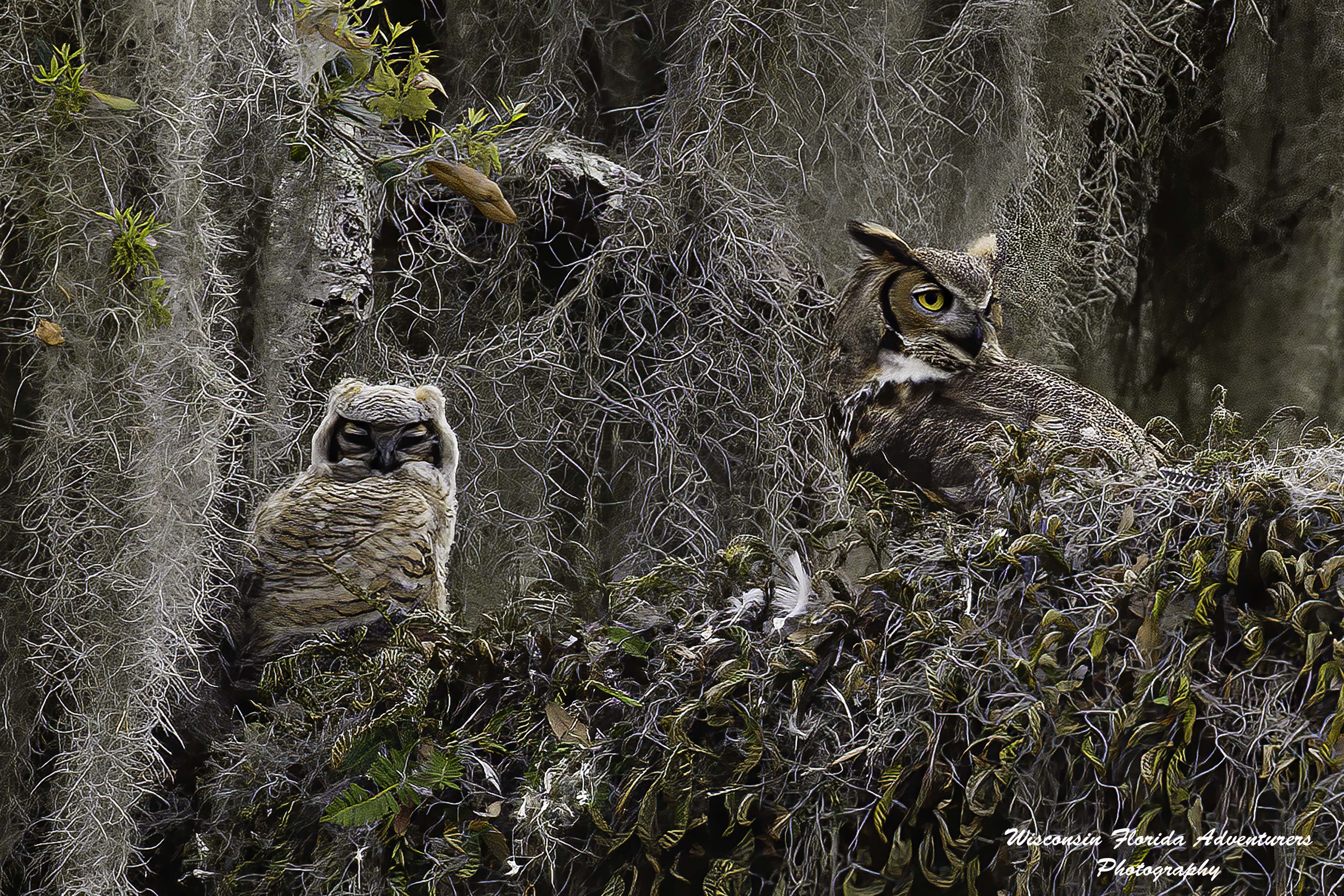
The Great Horned Owl and Owlet

In the vastness of the animal kingdom, few creatures evoke the sense of mystery and wisdom as the great horned owl (Bubo virginianus) and its adorable yet resilient owlet. With their piercing yellow eyes, majestic plumage, and haunting hoots echoing through the night, these magnificent birds command both respect and admiration.

The great horned owl, often referred to as the “Tiger of the Sky,” is one of the most widespread and adaptable owl species, inhabiting diverse environments across North and South America. Named for the prominent feather tufts resembling horns atop their heads, these formidable predators possess an array of remarkable adaptations that make them apex hunters of the nocturnal realm.

One of the most striking features of the great horned owl is its silent flight. Equipped with specialized feathers that break turbulence into smaller currents, they glide through the darkness with unparalleled stealth, enabling them to surprise their prey with deadly accuracy. With powerful talons capable of exerting crushing force, they strike swiftly and efficiently, preying on a wide variety of animals including rodents, rabbits, birds, and even other raptors.

But beyond their prowess as hunters, great horned owls are also nurturing parents, fiercely protective of their young. In the early months of the year, amidst the chill of winter, these magnificent birds engage in elaborate courtship rituals, culminating in the selection of a suitable nesting site. Typically choosing abandoned nests of other large birds or even hollows in trees, they meticulously prepare their abode for the arrival of their offspring.

Enter the owlets, perhaps the epitome of charm and resilience in the avian world. Hatching from eggs carefully incubated by their parents, these fluffy bundles of down represent the continuation of a lineage steeped in ancient wisdom. Blind and helpless at birth, they depend entirely on the tireless efforts of their parents for warmth, protection, and nourishment.

As the weeks pass, the owlets undergo a remarkable transformation. Covered in soft down feathers that eventually give way to the iconic plumage of their species, they grow stronger with each passing day. Under the watchful gaze of their parents, they begin to explore their surroundings, honing their instincts and reflexes through playful antics and mock hunts.

Yet, life in the wild is fraught with peril, and the journey to adulthood is fraught with challenges. From territorial disputes with other predators to the ever-looming threat of starvation, the odds are stacked against these young owls from the moment they hatch. However, armed with the guidance of their parents and an innate resilience ingrained in their very being, they persevere against all odds.

For those fortunate enough to witness the spectacle of a great horned owl and its owlet in the wild, it is a poignant reminder of the delicate balance that exists in nature. In their silent flight and piercing gaze, we find echoes of an ancient wisdom that transcends the confines of time and space. They are not merely birds of prey but guardians of the night, symbols of strength, resilience, and the enduring spirit of the wilderness.

Great Horned Owl and Owlet.

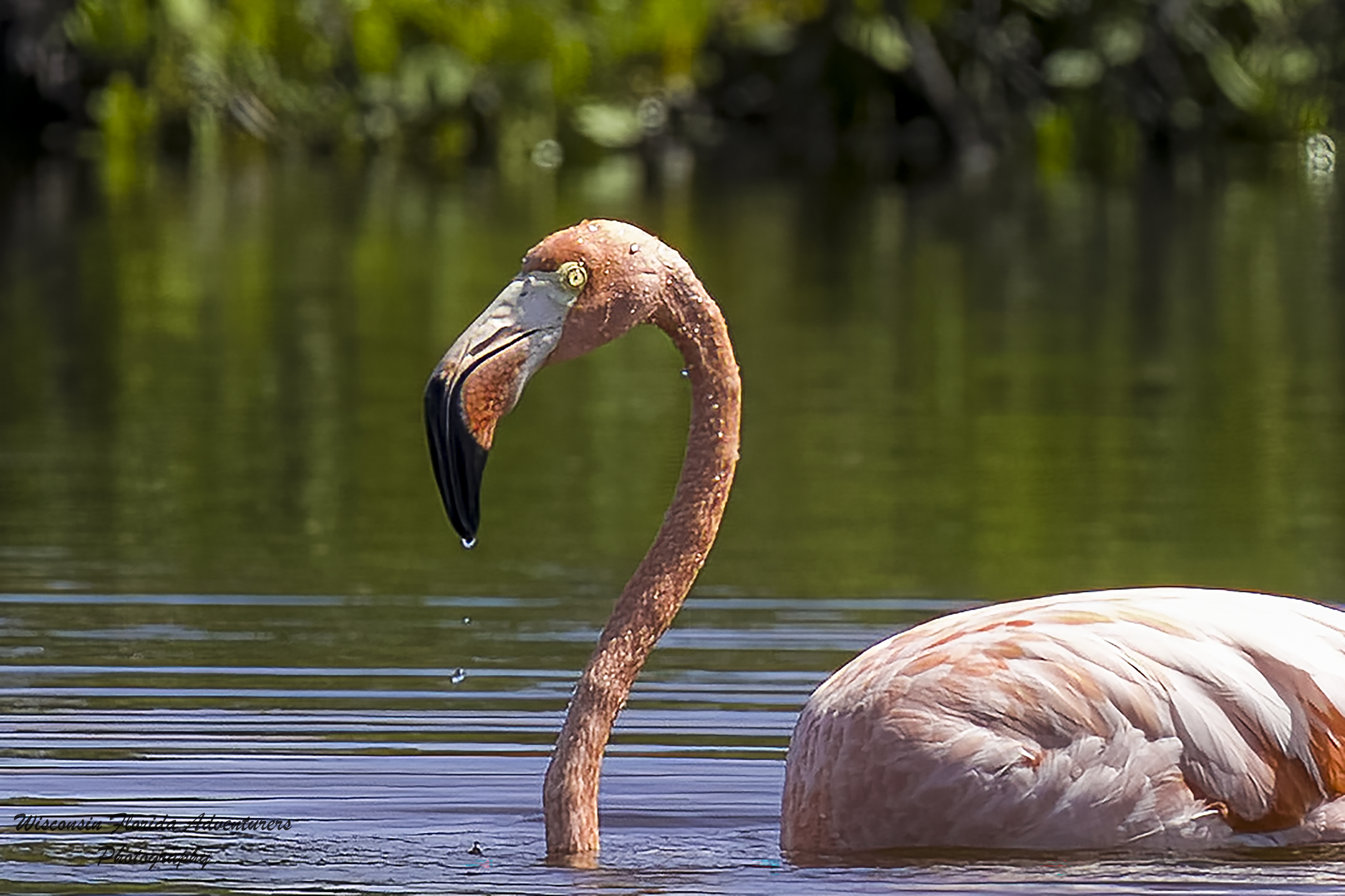
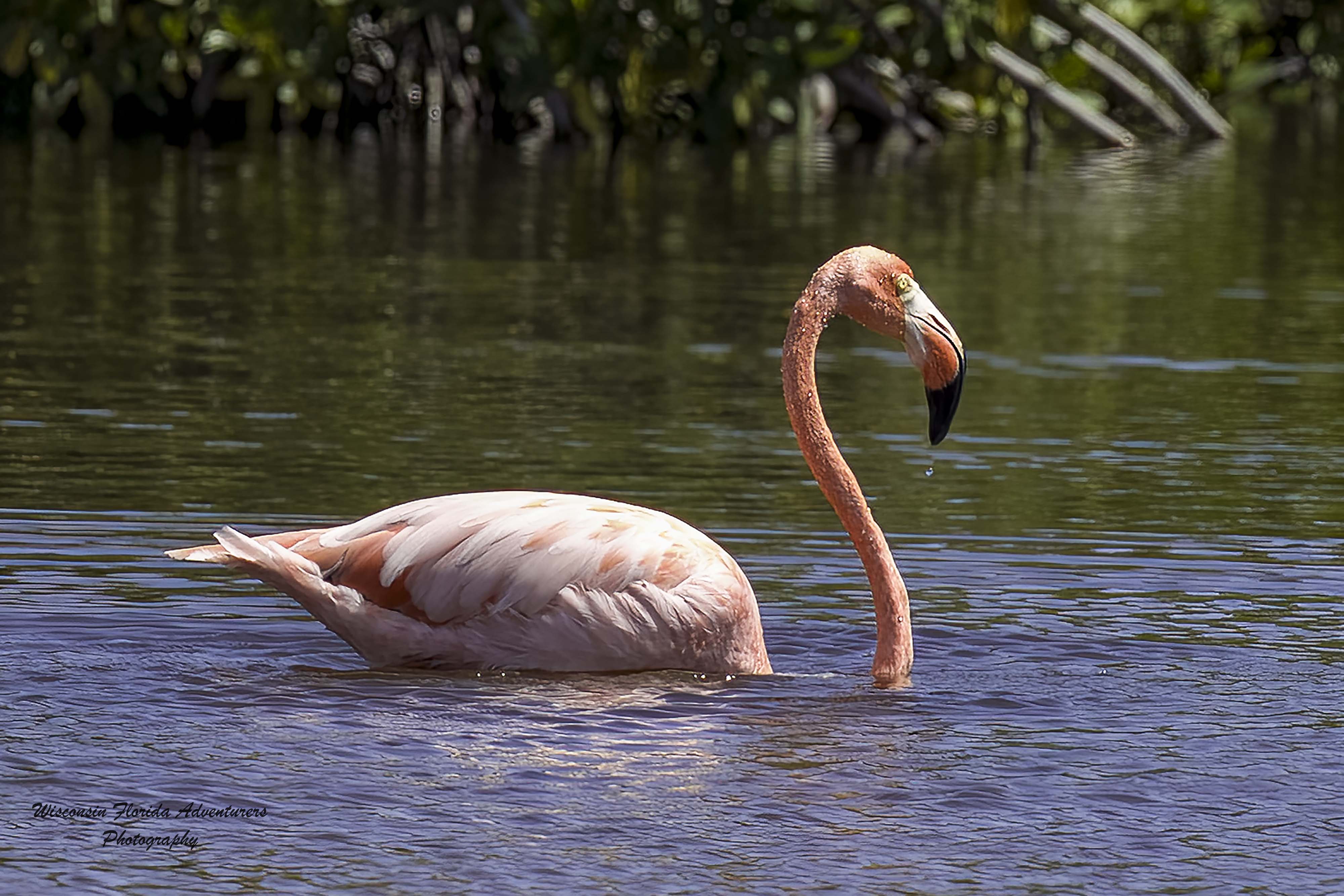
The Unexpected Arrival: Hurricane Idalia’s Gift of Flamingos to Florida

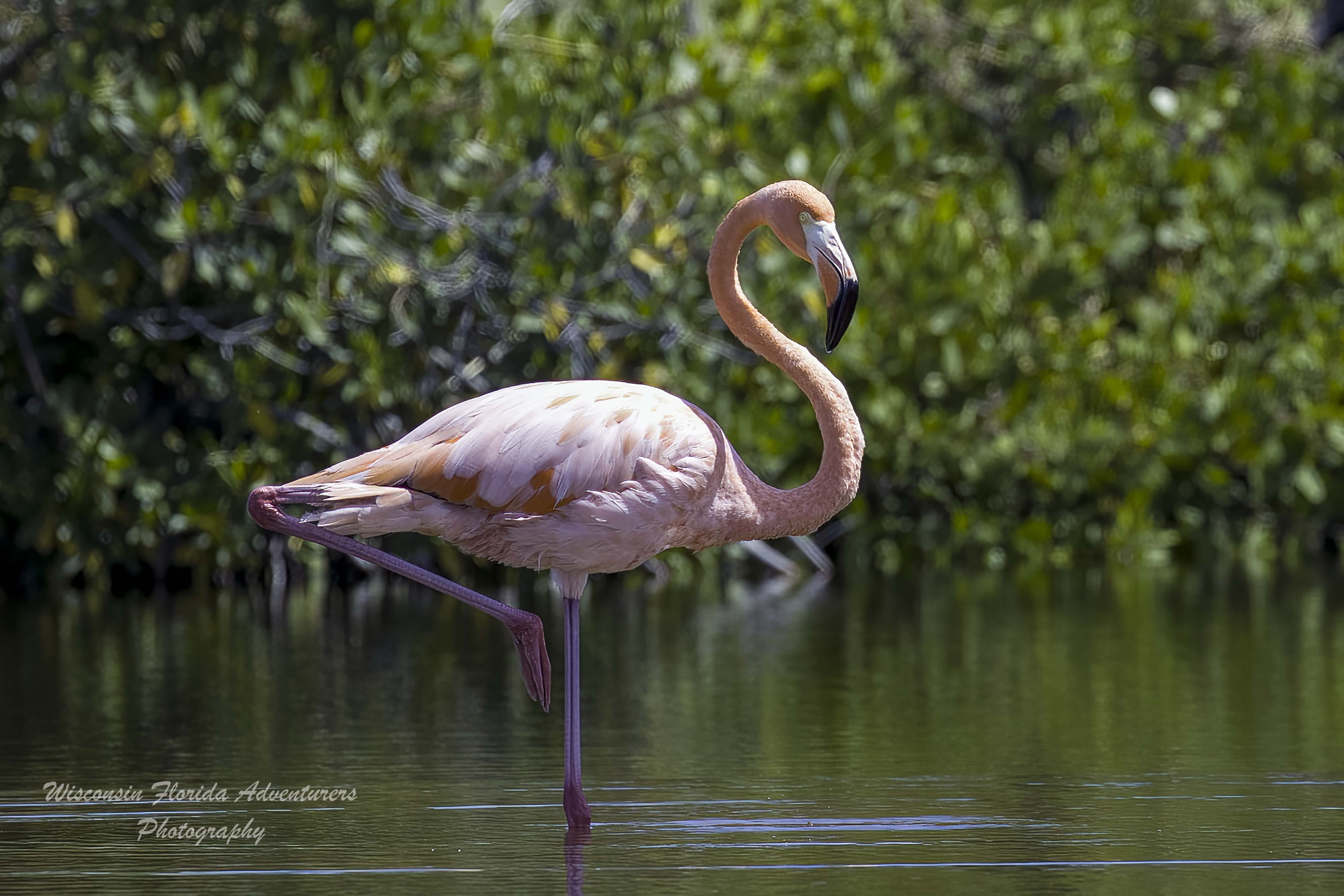
Florida, known for its breathtaking beaches, unique wildlife, and diverse ecosystems, has always been a haven for nature enthusiasts. However, in recent years, the state witnessed an unusual event that left both scientists and residents astounded. Hurricane Idalia, a powerful storm that made landfall in Florida in September 2023, brought with it an unexpected gift – a flock of flamingos. This essay explores the fascinating story of how Hurricane Idalia inadvertently introduced flamingos to Florida, the impact of this event on the local ecosystem, and the ongoing efforts to study and conserve these unexpected newcomers.

Hurricane Idalia was a Category 3 hurricane that struck the Florida coast with destructive force, causing widespread damage and flooding. While hurricanes typically bring destruction and chaos, they can also bring unexpected changes to ecosystems. In the case of Hurricane Idalia, it was the arrival of a group of Caribbean flamingos that surprised the locals and wildlife experts alike. These beautiful birds were not native to Florida but had been displaced from their natural habitat in the Caribbean by the powerful storm.

The introduction of flamingos to Florida has had both positive and negative effects on the local ecosystem. On one hand, these magnificent birds have become a tourist attraction, drawing birdwatchers, photographers, and nature enthusiasts from around the world. The vibrant pink plumage and elegant appearance of flamingos have made them a popular subject for photography and wildlife observation. This influx of tourists has provided a boost to the local economy, especially in areas where flamingos have been spotted.

Moreover, the arrival of flamingos has also sparked increased interest in bird conservation efforts. Local and national conservation organizations have seized the opportunity to raise awareness about the importance of preserving and protecting Florida’s unique ecosystems. This newfound appreciation for the environment has led to initiatives aimed at conserving not only flamingos but also other native species and their habitats.

However, the sudden presence of flamingos has also raised concerns among ecologists and environmentalists. While these birds have become a novelty in Florida, their introduction to the ecosystem has the potential to disrupt the balance of native species and their habitats. Flamingos are filter feeders, primarily consuming aquatic invertebrates, algae, and small fish. Their feeding habits could impact the availability of resources for native waterfowl and other aquatic species.

Furthermore, flamingos are known to nest in large colonies, and their presence could lead to competition for nesting sites with native wading birds. This competition for limited resources and space could potentially have negative consequences for the local bird populations. Therefore, it is essential to closely monitor the interactions between flamingos and native species to assess any long-term ecological impacts.

In response to the unexpected arrival of flamingos, research and conservation efforts have been initiated to better understand their behavior, movements, and potential impact on the Florida ecosystem. Scientists and wildlife experts have been conducting studies to track the flamingos’ movements, nesting behavior, and diet to assess their ecological role in the region.

One of the key research areas is studying the flamingos’ migratory patterns. Understanding where these birds came from and how they arrived in Florida is essential for predicting their long-term presence in the state. By tracking their movements and genetic markers, researchers hope to uncover the origins of these flamingos and whether they might continue to migrate to Florida in the future.

Conservation organizations have also initiated public awareness campaigns to educate residents and tourists about the importance of coexisting with these unexpected newcomers while minimizing their impact on the local environment. Birdwatching tours and educational programs have become popular activities, allowing people to appreciate the beauty of flamingos while respecting their natural behaviors and habitats.

The arrival of flamingos in Florida as a result of Hurricane Idalia is a fascinating and unexpected event that has captured the imagination of many. While these birds have become a symbol of resilience and adaptability in the face of natural disasters, they also bring both opportunities and challenges to the local ecosystem.

Flamingos have become a captivating addition to Florida’s wildlife and a source of inspiration for conservation efforts. Their presence highlights the interconnectedness of ecosystems and the need for continued research and conservation to protect both native and introduced species.

As Florida continues to adapt to this unexpected change, it is crucial to strike a balance between celebrating the beauty of flamingos and preserving the delicate ecological balance of the region. By studying these unexpected newcomers and implementing sustainable conservation strategies, Florida can ensure that its unique ecosystems remain a treasure for generations to come.

The photos of these Flamingos were taken at Honeymoon Island State Park.

This photo is for sale on my Etsy Shop. Click here for link.

https://www.etsy.com/shop/WIFLAdventurers

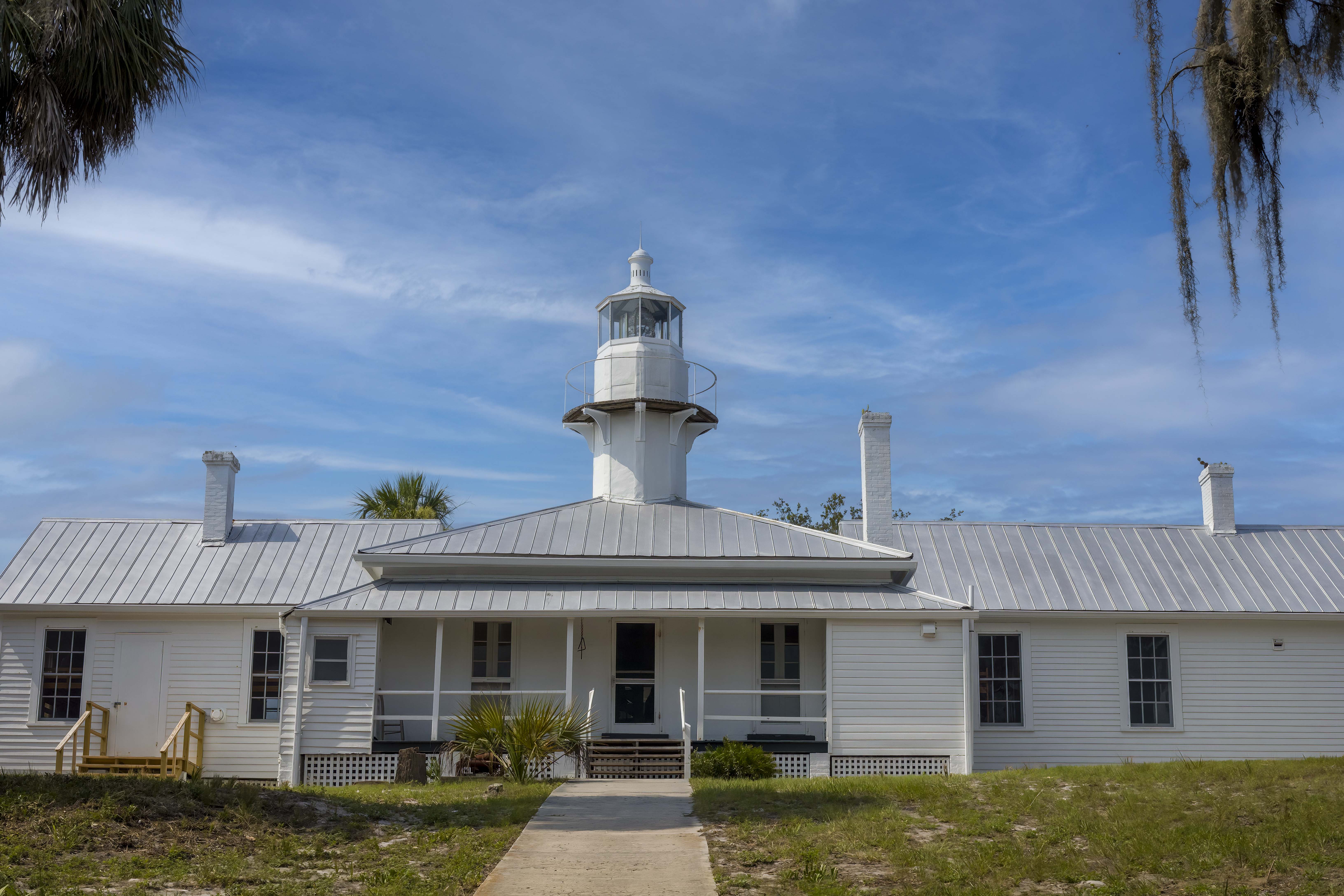
Exploring Sea Horse Key and Its Enchanting Lighthouse: A Coastal Gem

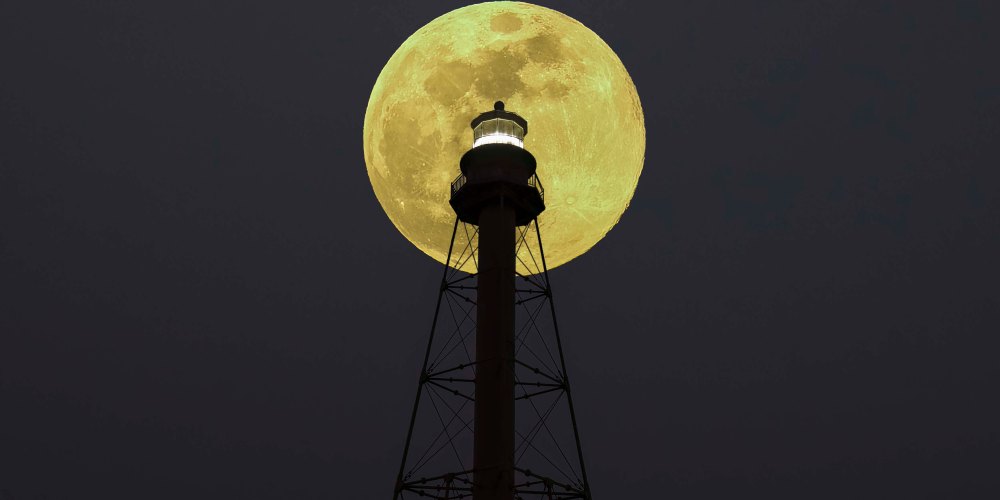
Imagine a place where the serene beauty of nature meets the architectural marvel of human ingenuity – that’s Sea Horse Key! Located off the Gulf Coast of Florida, this small island has long been a well-kept secret among those seeking an authentic coastal experience. One of its most fascinating features is the historic lighthouse perched majestically on the highest spot of the island. Join me as I delve into the enchanting world of Sea Horse Key and the captivating history of its iconic lighthouse.
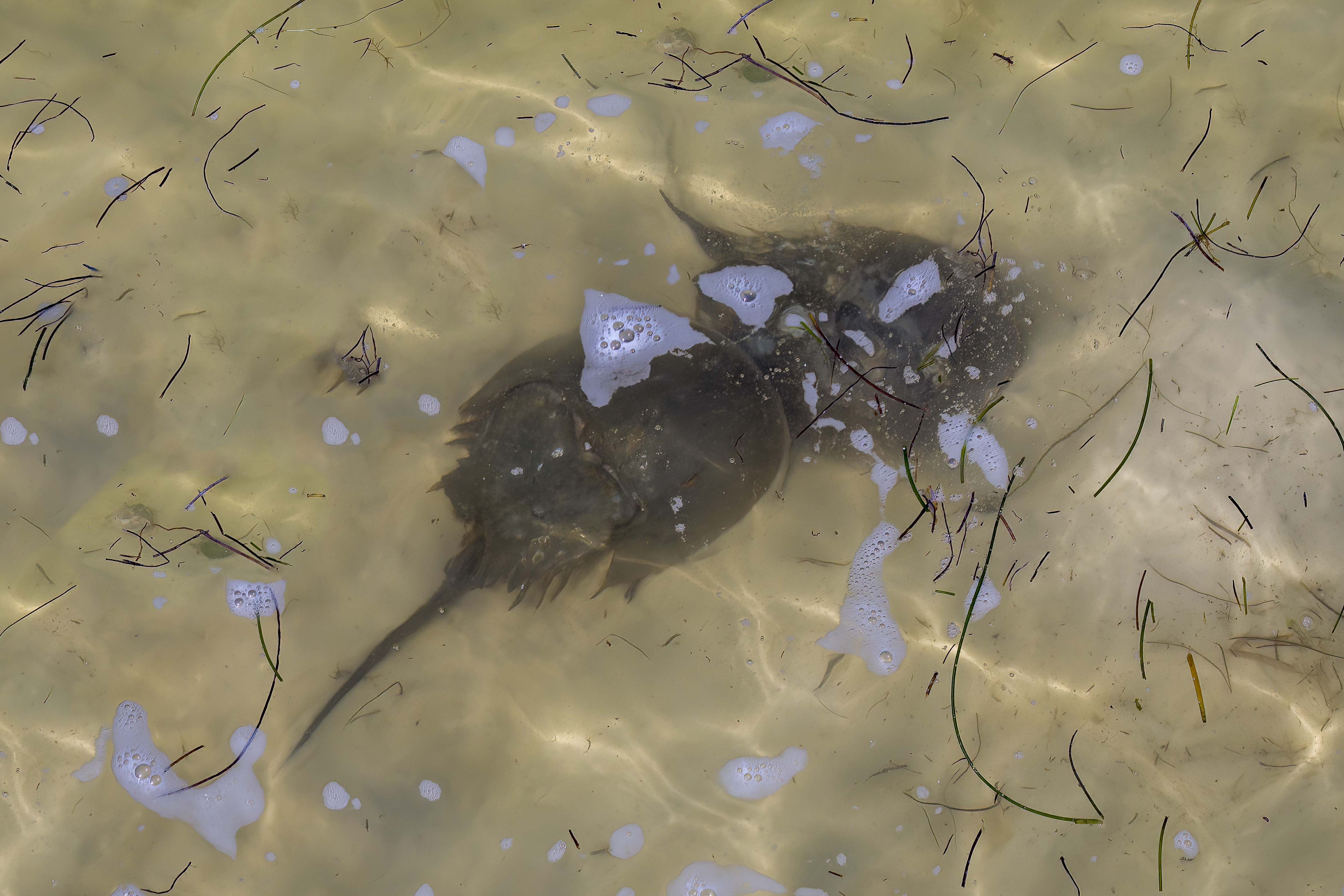
Sea Horse Key is a haven for nature enthusiasts and history buffs alike. The island, surrounded by the pristine waters of the Gulf of Mexico, is accessible only by boat, adding to its allure of seclusion and tranquility. Its name is derived from the abundance of sea horses that once populated the area, making it a sanctuary for these mesmerizing creatures.

Today, the island is part of a protected wildlife refuge, making it a prime spot for wildlife observation and birdwatching. From pelicans gracefully soaring above the waves to sea turtles nesting on its sandy shores, Sea Horse Key offers a unique glimpse into Florida’s diverse ecosystem.

At the heart of the island stands the remarkable Sea Horse Key Lighthouse, a beacon of history that has withstood the test of time. Built in the mid-19th century, the lighthouse served as a crucial guide for mariners navigating the treacherous waters of the Gulf Coast. Its light, emanating from its lantern room high above the ground, provided a reassuring signal to ships approaching the coast.

The construction of the lighthouse began in 1854, with the main structure standing at an impressive 52 feet tall. Over the years, it underwent several modifications and improvements to enhance its efficiency and reliability. However, the site faced its share of challenges, including severe storms and erosion that threatened its existence.

Visiting the Sea Horse Key Lighthouse is like stepping back in time. As you climb the winding staircase leading to the lantern room, you’ll be surrounded by the echoes of the past. The walls whisper tales of the brave lighthouse keepers who tended to the light, ensuring its continuous operation through rain or shine.

As with many historical landmarks, the Sea Horse Key Lighthouse faced the constant threat of deterioration due to natural elements and time. Fortunately, local communities and preservation organizations recognized the importance of safeguarding this cultural treasure. Their relentless efforts to restore and maintain the lighthouse have ensured that future generations can appreciate its significance.

Volunteer groups and fundraising initiatives have played a crucial role in the preservation process. Events, such as guided tours and educational programs, have not only generated funds but also increased awareness about the island’s ecological importance and its historical legacy.

Today, Sea Horse Key remains a well-preserved paradise that beckons adventurers, history enthusiasts, and nature lovers alike. To experience the magic of this coastal gem, plan a trip that includes a visit to the island and its iconic lighthouse.

As you approach the island by boat, be prepared to be greeted by the gentle sea breeze and the faint calls of shorebirds. The moment you step ashore, you’ll feel a profound connection with nature, surrounded by the sights and sounds of unspoiled beauty.

Sea Horse Key and its lighthouse embody the charm of Florida’s coastal history and natural wonders. From its role as a guiding light for mariners of the past to its current status as a sanctuary for wildlife and visitors alike, this hidden gem continues to captivate hearts and minds.

If you ever find yourself yearning for an escape from the hustle and bustle of modern life, set sail for Sea Horse Key. Let the island and its lighthouse cast their spell on you, transporting you to a place where time seems to stand still, and the beauty of the world unfolds before your eyes.

Exploring the Enigmatic Gopher Tortoise on Honeymoon Island

Honeymoon Island, situated off the coast of Florida, is a tropical paradise that captivates visitors with its pristine beaches, crystal-clear waters, and abundant wildlife. Among its many intriguing inhabitants, the gopher tortoise stands out as a remarkable species that has called this island home for centuries. In this blog, we delve into the fascinating world of the gopher tortoise and shed light on its significance in the ecosystem of Honeymoon Island.

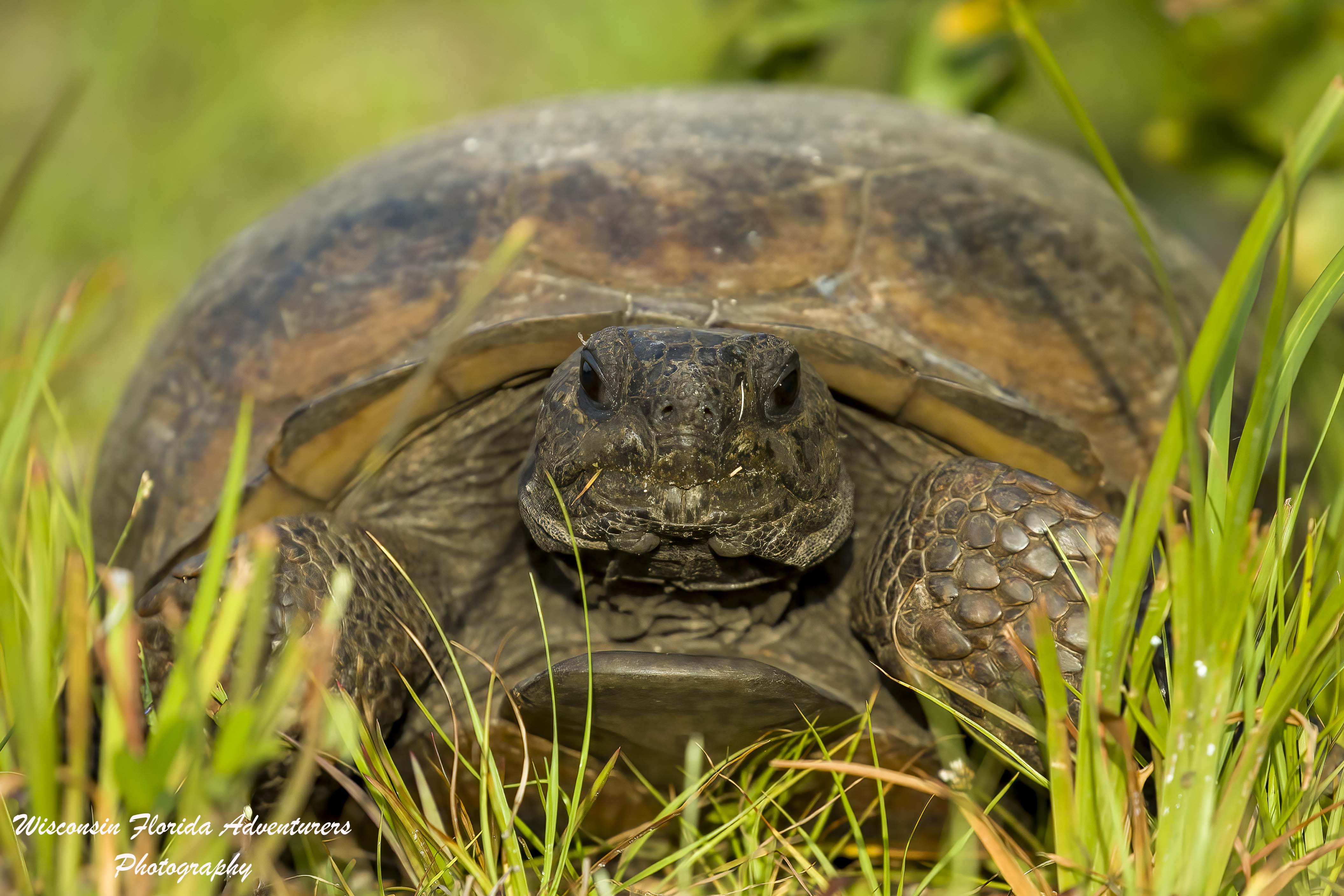
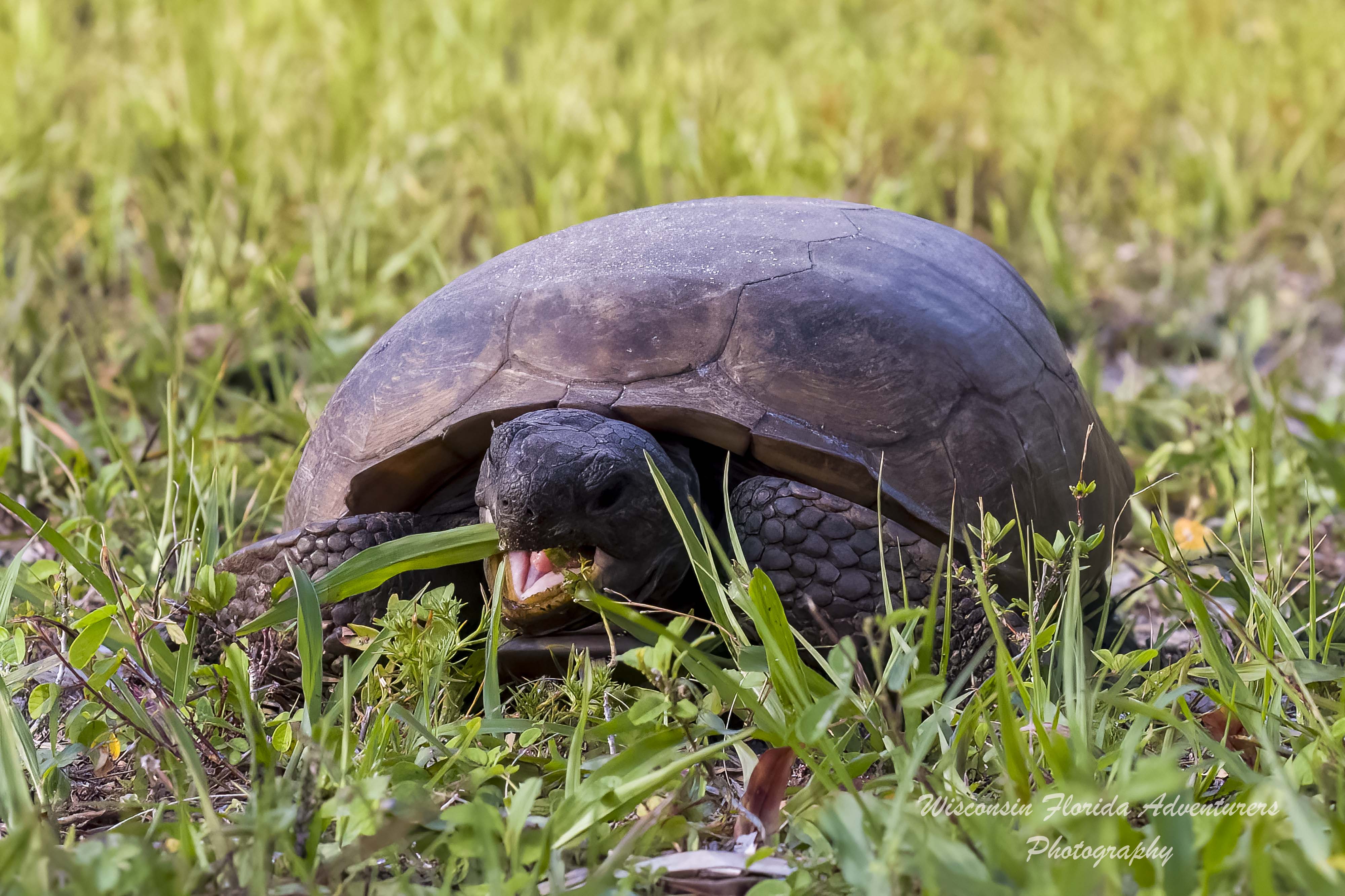
The gopher tortoise is a reptile native to the southeastern United States, including the beautiful state of Florida. These tortoises have a unique ability to excavate burrows, which provide shelter for themselves and serve as refuge for over 360 other species, earning them the title of “ecosystem engineers.” On Honeymoon Island, the gopher tortoise plays a crucial role in maintaining the island’s delicate ecological balance.

Honeymoon Island’s sandy dunes and scrubby flatwoods offer the perfect habitat for the gopher tortoise. These tortoises are well-adapted to sandy soils and can be found in areas with suitable vegetation for foraging. Their burrows, which can extend up to 40 feet in length, provide protection from predators and harsh environmental conditions, as well as stable microclimates for a variety of species.

Despite their importance, gopher tortoises face numerous conservation challenges. Human activities such as habitat destruction, urbanization, and road mortality pose significant threats to their populations. As a result, Honeymoon Island has implemented several conservation measures, including educational programs, habitat restoration, and protection of nesting sites, to ensure the survival of this unique species.

The gopher tortoise is considered a keystone species, meaning it plays a crucial role in maintaining the health and diversity of its ecosystem. By digging burrows, gopher tortoises aerate the soil, promote seed dispersal, and provide shelter for various organisms like snakes, insects, and mammals. Without these tortoises, the island’s ecosystem would experience significant disruptions.

Gopher tortoises have a slow reproductive rate, with females laying around 4-9 eggs in a nest dug within their burrows. These nests provide a safe incubation environment, protecting the eggs from predators and extreme temperatures. The hatching period lasts for about three to four months, after which the hatchlings emerge, starting their journey in the complex world of Honeymoon Island.

Visitors to Honeymoon Island have the unique opportunity to observe these incredible tortoises in their natural habitat. However, it’s important to respect their space and avoid any disturbance. The island’s management ensures that human activities are carefully regulated to protect the gopher tortoises and their fragile environment.

Preserving the gopher tortoise population on Honeymoon Island is essential for the long-term health and sustainability of the island’s ecosystem. Ongoing efforts include habitat restoration, monitoring programs, and public education to raise awareness about the importance of these reptiles. By supporting these initiatives, visitors can actively contribute to the conservation of this iconic species.

Honeymoon Island provides a sanctuary for the enigmatic gopher tortoise, an ancient reptile that plays a vital role in shaping the island’s ecosystem. By understanding their significance and actively participating in conservation efforts, we can ensure that future generations will continue to marvel at these remarkable creatures. So, next time you visit Honeymoon Island, take a moment to appreciate the gopher tortoise and its invaluable contribution to this tropical paradise.

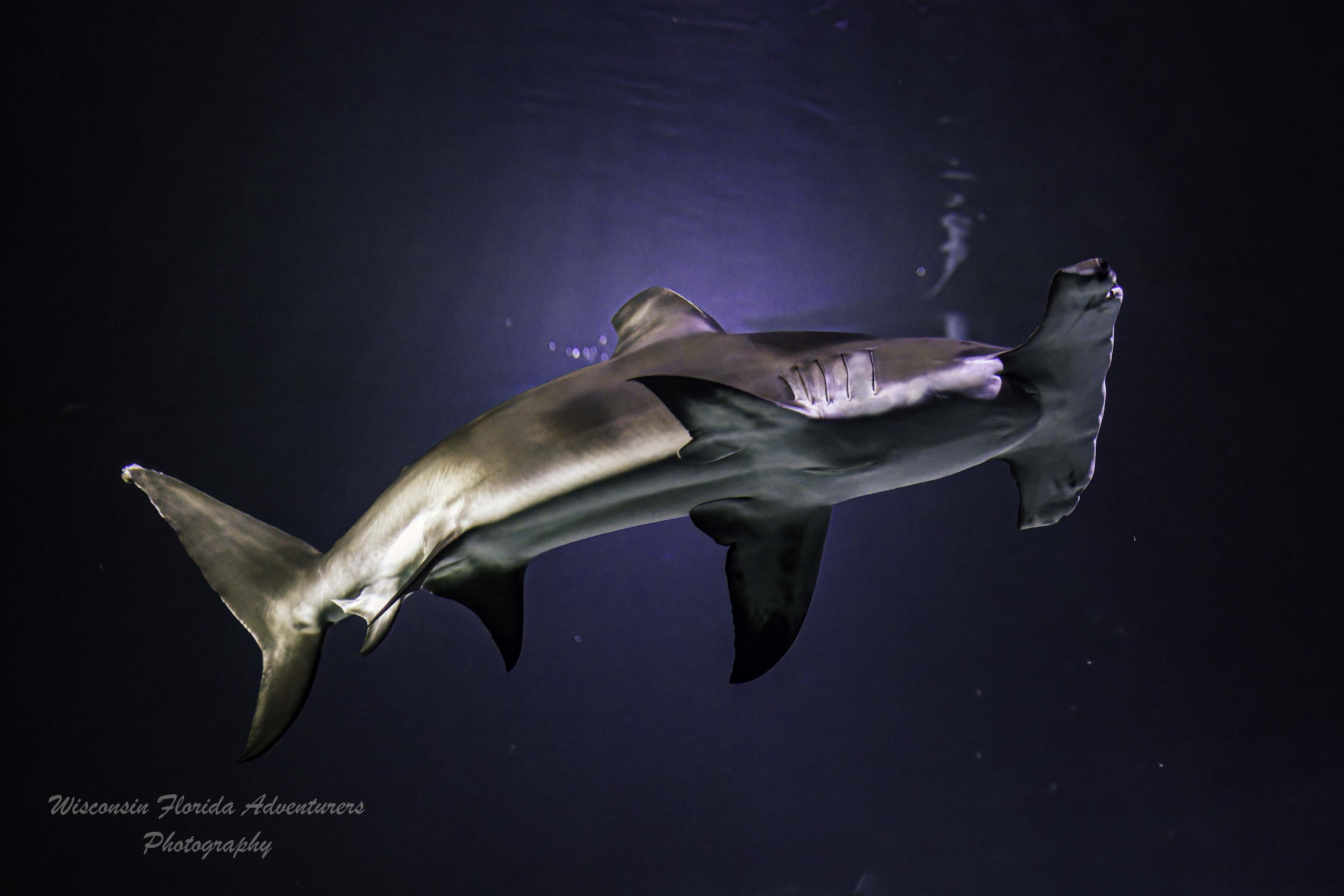
Predators of the Sea: Exploring Hammerhead Sharks, Sand Tiger Sharks, Silky Sharks, Silvertip Sharks, and Tiger Sharks at the Georgia Aquarium

Welcome to the Georgia Aquarium, home to an extraordinary array of marine life. Among the most captivating exhibits is the Predators of the Sea, where visitors can witness the awe-inspiring presence of hammerhead sharks, sand tiger sharks, silky sharks, silvertip sharks, and tiger sharks. I would like to dive into the depths of these fascinating creatures, exploring their unique characteristics, habitats, and the vital role they play in maintaining the delicate balance of the marine ecosystem.

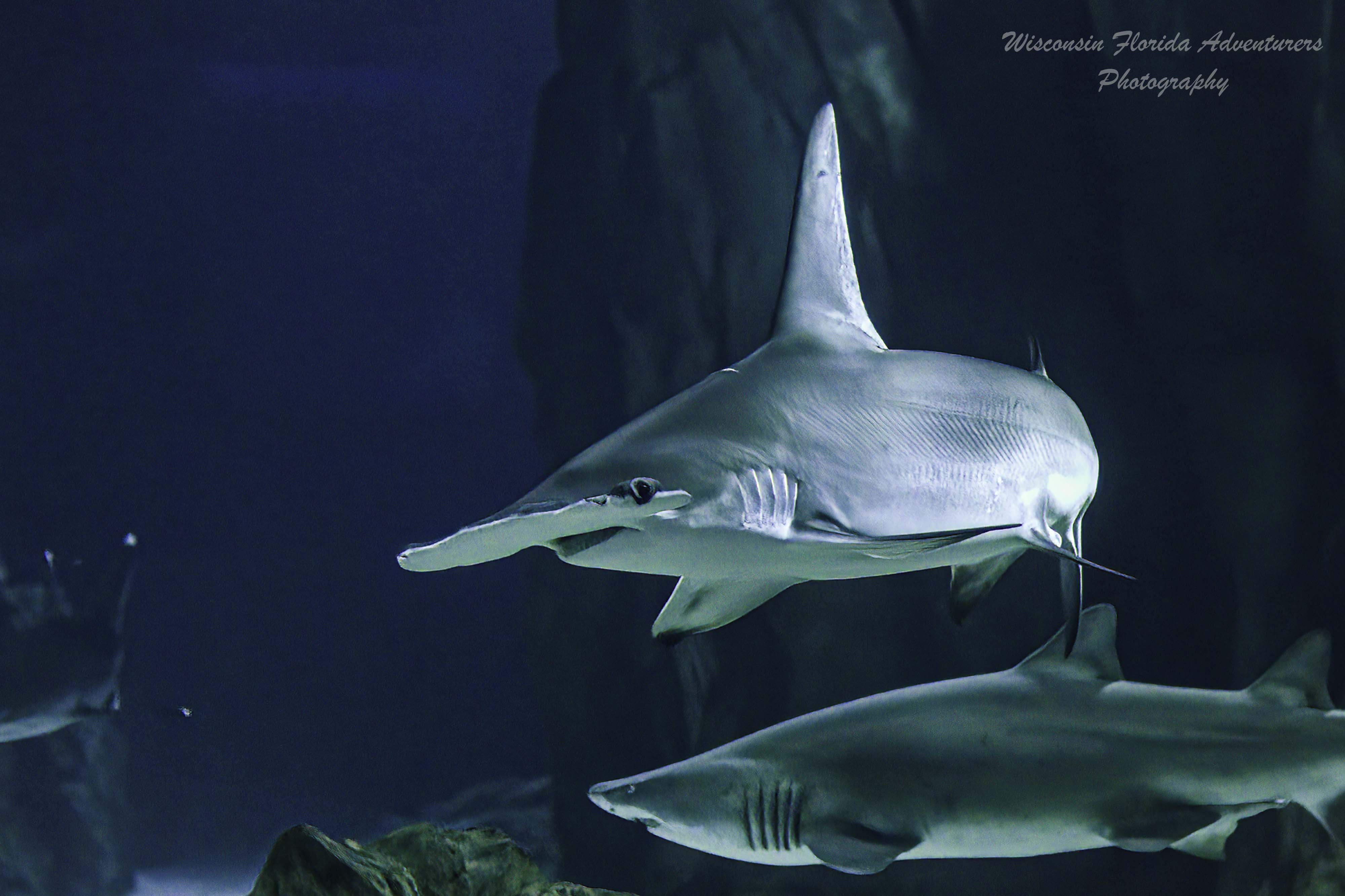
The hammerhead sharks are undoubtedly the stars of the Predators of the Sea exhibit. Known for their distinctive hammer-shaped heads called cephalofoils, these magnificent creatures are a marvel of nature. Their unique head structure provides them with enhanced sensory perception and increased maneuverability, making them exceptional hunters. Hammerhead sharks prefer warmer waters and are found in oceans worldwide. They are known for their exceptional vision and are skilled at locating prey, including fish, squid, and even other sharks. With their intimidating appearance, these predators are truly a sight to behold.

The sand tiger sharks, often referred to as ragged-tooth sharks, may initially appear menacing with their sharp teeth protruding from their mouths. However, they are generally docile and pose little threat to humans. Their slender bodies and impressive size make them a captivating sight in the Georgia Aquarium’s exhibit. Sand tiger sharks inhabit coastal waters and are known for their ability to gulp air from the surface, allowing them to hover motionless in the water. Despite their intimidating appearance, they mainly feed on small fish, crustaceans, and squid. These sharks play an essential role in maintaining the balance of marine ecosystems by regulating the population of their prey species.

Silky sharks are named after their smooth skin texture, distinguishing them from other shark species. With their slender bodies and long, rounded snouts, they are built for speed and agility. These pelagic sharks are commonly found in tropical and subtropical oceans, and they often travel in schools. Silky sharks primarily feed on fish and cephalopods, using their sharp teeth to capture their prey. While they are not considered a significant threat to humans, their impressive hunting techniques and graceful swimming make them a remarkable addition to the Predators of the Sea exhibit.

Silvertip sharks are renowned for their striking appearance, characterized by the silver-tipped dorsal fins and caudal fins. These sharks are known to inhabit the waters of the Indo-Pacific region, where they patrol reefs and open ocean areas. As apex predators, they play a crucial role in maintaining the health and diversity of coral reef ecosystems. Silvertip sharks are opportunistic hunters, feeding on a variety of prey, including bony fish, cephalopods, and even seabirds. Visitors to the Georgia Aquarium can observe these majestic creatures gracefully gliding through the water, showcasing their natural beauty.

Last but not least, the tiger sharks, often regarded as the “garbage cans” of the ocean due to their voracious appetite and diverse diet. These formidable predators are known for their distinctive vertical stripes and broad heads, equipped with powerful jaws filled with sharp, serrated teeth. Tiger sharks have an exceptionally wide range, found in warm oceanic waters across the globe. With their keen sense of smell and sharp eyesight, they are highly skilled hunters, preying on a wide variety of marine life, including fish, seals, turtles.

The Georgia Aquarium’s “Predators of the Sea” exhibit offers an awe-inspiring and educational experience that showcases the remarkable diversity and power of marine predators. With its captivating displays and immersive presentations, this exhibit leaves visitors with a deep appreciation for the fascinating creatures that inhabit our oceans.

The exhibit’s carefully designed habitats provide a realistic and natural environment for the predators, allowing visitors to witness their strength and agility up close. From the graceful movements of the sharks to the lightning-fast strikes of the barracudas, each predator is a testament to the remarkable adaptations that have evolved over millions of years.

Moreover, the Georgia Aquarium’s commitment to conservation and research shines through in the exhibit. By highlighting the threats faced by these apex predators in the wild, visitors are made aware of the urgent need to protect and preserve their habitats. The educational materials and interactive displays also emphasize the importance of sustainable practices and the role each individual can play in safeguarding our oceans.

Overall, the “Predators of the Sea” exhibit at the Georgia Aquarium provides an extraordinary glimpse into the captivating world of marine predators. It inspires awe, fosters awareness, and encourages conservation efforts, making it a must-see attraction for visitors of all ages. By promoting a deeper understanding and respect for these remarkable creatures, the exhibit plays a vital role in nurturing a sense of stewardship for our oceans and their inhabitants.

The Majestic Whale Shark

The world beneath the waves holds countless wonders, and one of its most captivating inhabitants is the majestic whale shark. As the largest fish in the ocean, these gentle giants have fascinated and inspired awe in both scientists and nature enthusiasts. Today I will delve into the remarkable world of whale sharks and uncover the secrets of their existence.

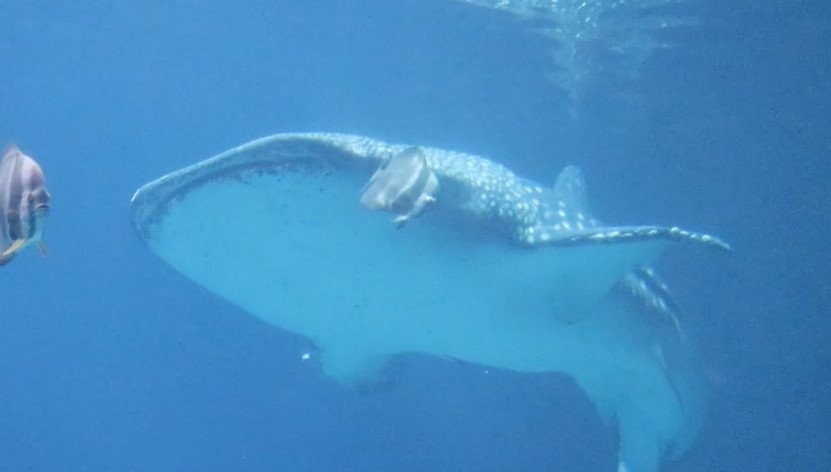
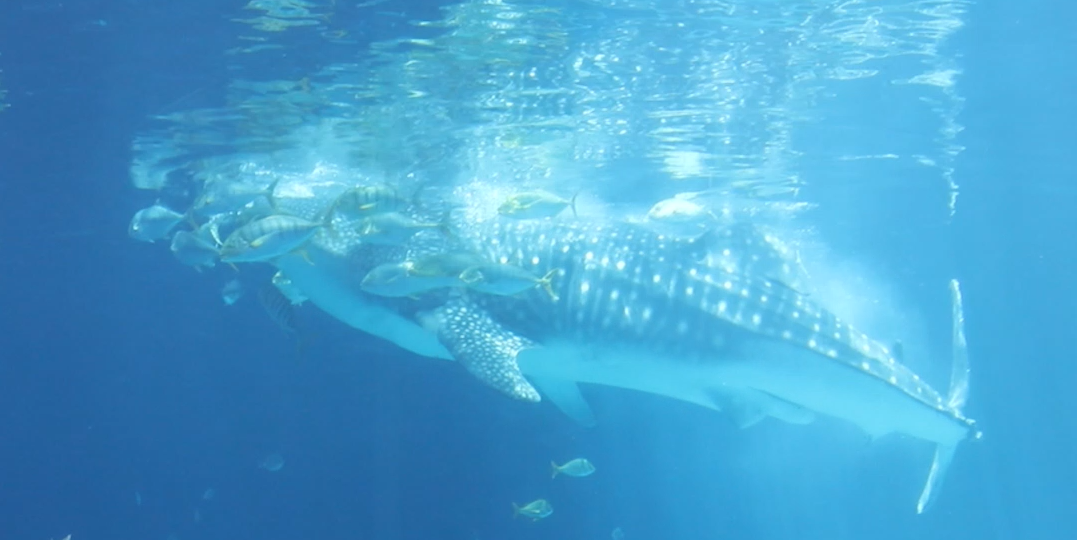
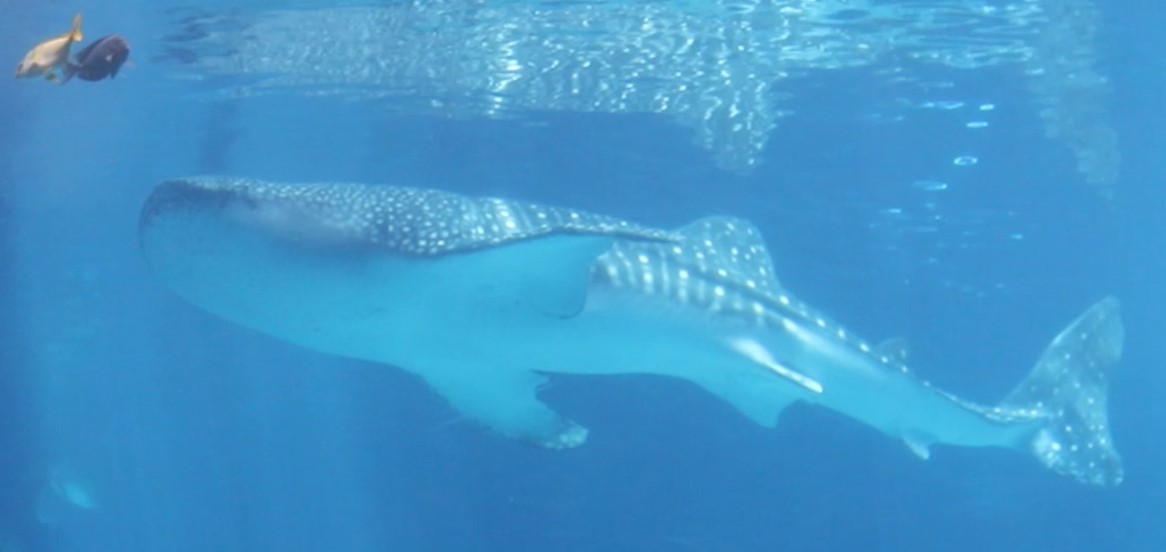
Measuring up to 40 feet long and weighing several tons, whale sharks are true behemoths. Their elongated bodies are adorned with a distinctive pattern of pale spots and stripes, adding to their charm. These magnificent creatures have wide, flattened heads with enormous mouths that can reach up to five feet in width. Their mouths are specially adapted to filter feed, as they glide through the water with grace and elegance.

Despite their immense size, whale sharks are gentle and pose no threat to humans. They are docile creatures with a friendly demeanor, making them a favorite among divers and snorkelers. These gentle giants have a calm and curious nature, often allowing humans to swim alongside them. Witnessing their massive bodies gliding effortlessly through the water is an awe-inspiring experience that leaves an indelible mark on the hearts of those fortunate enough to encounter them.

Whale sharks are known for their extensive migration patterns, traveling great distances across the world’s oceans. While scientists are still uncovering the mysteries of their migrations, it is believed that they follow food sources and warm waters. They often congregate in certain areas where plankton, their primary food source, blooms abundantly. Destinations like Mexico’s Isla Holbox, the Maldives, and the Philippines’ Donsol are renowned hotspots for whale shark sightings, attracting tourists and researchers alike.

One of the most fascinating aspects of whale sharks is their unique feeding method. Despite their massive size, they sustain themselves by consuming tiny organisms, such as plankton, krill, and small fish. As they swim with their mouths agape, water rushes in, carrying the prey. The whale shark’s elaborate gill rakers filter out the food while allowing water to escape, ensuring efficient feeding. This filter-feeding mechanism enables them to extract enough nutrition from their surroundings to support their enormous bodies.

Whale sharks face various threats, including habitat degradation, pollution, and accidental entanglement in fishing nets. To protect these magnificent creatures, conservation efforts have been initiated worldwide. Many countries have established marine sanctuaries and implemented regulations to ensure responsible tourism and limit human impact. Researchers and conservation organizations also study whale sharks to better understand their behavior, reproductive patterns, and migratory routes.

Whale sharks are extraordinary creatures that grace our oceans with their presence. Their sheer size, gentle nature, and unique feeding habits make them an awe-inspiring sight to behold. By fostering awareness, supporting conservation efforts, and respecting their natural habitats, we can ensure the continued existence of these incredible giants for generations to come.

The Whale Shark

Exploring the Wonders of the Georgia Aquarium

The Georgia Aquarium stands as an aquatic marvel in the heart of Atlanta, offering visitors an awe-inspiring journey through the underwater world. With its diverse marine life, engaging exhibits, and commitment to education and conservation, the Georgia Aquarium has rightfully earned its reputation as one of the premier aquariums in the world. As you read on you will dive into the depths of this captivating destination.

As you step into the Georgia Aquarium, you are transported to a world brimming with wonders. Spanning over 10 million gallons of water, the aquarium is home to an astounding array of marine species. From majestic beluga whales and gentle manta rays to fearsome sharks and vibrant tropical fish, the aquarium showcases the incredible biodiversity of our oceans. One of the most mesmerizing exhibits is the Ocean Voyager, featuring an enormous 6.3-million-gallon tank that houses whale sharks, the largest fish species on Earth. Watching these graceful creatures glide through the water is a truly humbling experience.

Beyond its captivating exhibits, the Georgia Aquarium is dedicated to education and conservation. Through interactive programs, live shows, and engaging presentations, visitors of all ages can learn about marine life, habitats, and the importance of preserving our oceans. The aquarium’s conservation efforts extend beyond its walls, as it actively supports research projects, rescue and rehabilitation initiatives, and sustainable practices.

The Whale Shark

For those seeking a deeper dive, the aquarium offers behind-the-scenes tours, allowing guests to witness the inner workings of the facility and gain insight into the care and well-being of the animals. These immersive experiences provide a unique perspective and foster a sense of stewardship towards the marine environment.

Visiting the Georgia Aquarium is not just a passive encounter; it is an interactive adventure. Children and adults alike can engage in activities such as touching sea creatures in the interactive touch pools or diving with whale sharks for a truly exhilarating experience. The aquarium also hosts sleepovers, enabling guests to spend the night surrounded by the gentle sway of the ocean, fostering a deep appreciation for marine life.

Apart from the captivating exhibits, the Georgia Aquarium offers excellent dining options, gift shops, and beautiful outdoor spaces where visitors can relax and reflect on their underwater journey. The aquarium’s commitment to accessibility ensures that everyone can enjoy its wonders, with accommodations for individuals with disabilities and special needs.

The Georgia Aquarium serves as a beacon of knowledge, conservation, and wonder, inviting visitors to explore the magnificence of the world’s oceans. It reminds us of the fragile beauty that lies beneath the waves and the importance of preserving it for future generations. Whether you’re a marine enthusiast, a curious learner, or simply seeking an unforgettable experience, the Georgia Aquarium is a must-visit destination that will leave you with a newfound appreciation for the wonders of the sea.

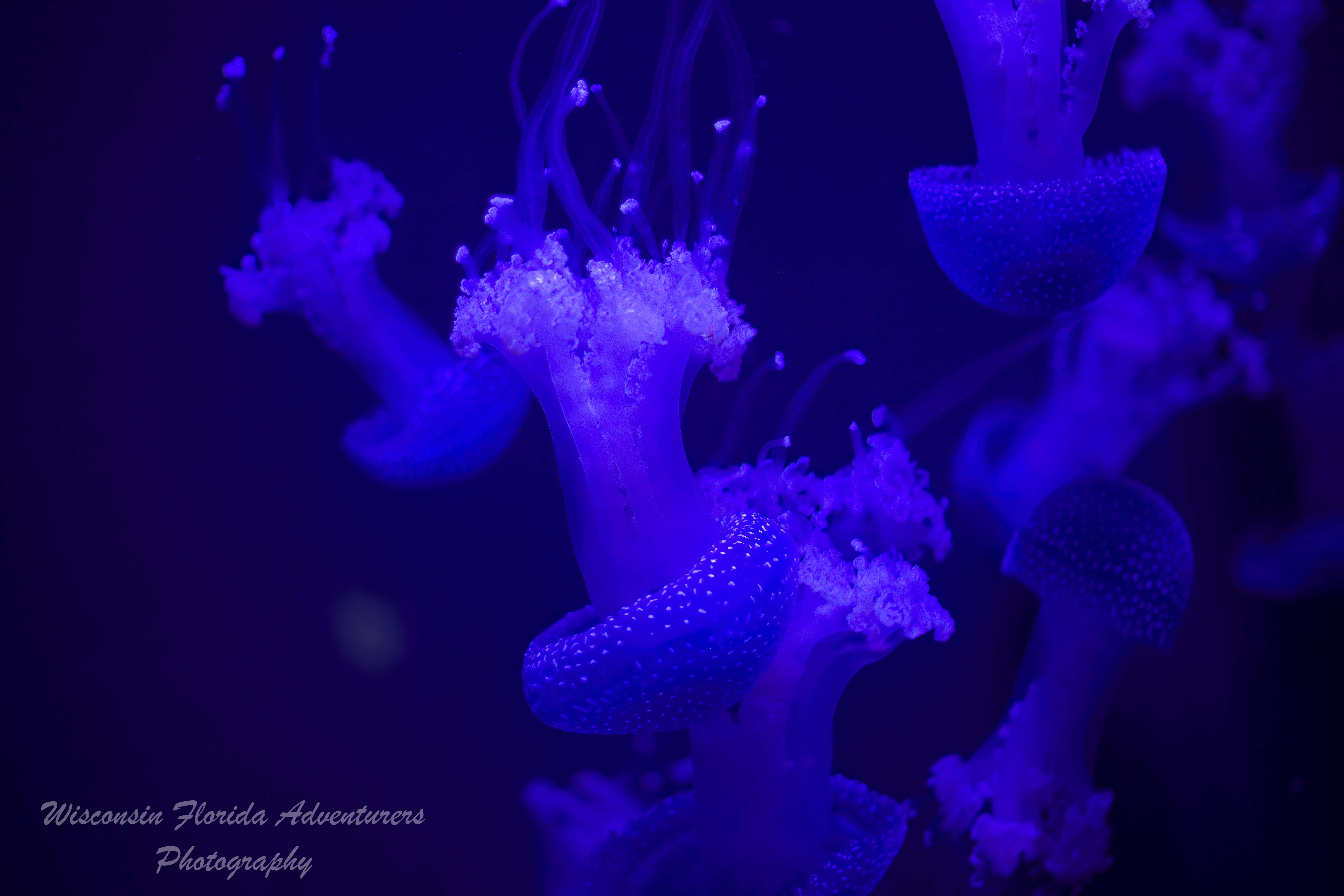
The Enigmatic Beauty of Jellyfish at the Georgia Aquarium

The Georgia Aquarium is known for its awe-inspiring collection of marine creatures, but one group of creatures stands out for its ethereal beauty and captivating presence—the jellyfish. These mesmerizing creatures, floating gracefully in their tanks, have become a favorite attraction for visitors.

The Georgia Aquarium boasts an impressive variety of jellyfish species, each with its own unique characteristics and colors. Visitors are treated to a visual feast as they encounter moon jellies, sea nettles, upside-down jellies, and more. These displays showcase the diversity of shapes and sizes that jellyfish can exhibit, from delicate bell-shaped bodies to trailing tentacles that sway rhythmically with the water currents.

One of the most captivating aspects of jellyfish is their translucent bodies, which allow visitors to witness their internal structures and movements. With only a delicate network of pulsating muscles and intricate radial canals visible, jellyfish exemplify elegance in simplicity. Visitors can marvel at the hypnotic pulsations that enable jellyfish to move gracefully through the water, seemingly defying gravity.

Another fascinating feature of some jellyfish species is their ability to bioluminesce. The Georgia Aquarium creates a captivating display, highlighting this natural phenomenon. Under special lighting conditions, jellyfish showcase their ethereal glow, transforming their tanks into a mesmerizing spectacle of shimmering lights. This bioluminescence is thought to serve various purposes, from attracting prey to communicating with other jellyfish.

Beyond their aesthetic appeal, jellyfish play a crucial role in marine ecosystems, and the Georgia Aquarium takes the opportunity to educate visitors about their ecological importance. Exhibits often feature informative signage detailing the impact of jellyfish on the marine food chain, their role as indicator species for water quality, and their response to climate change. These educational efforts aim to foster awareness and appreciation for the delicate balance of our oceans.

The Georgia Aquarium actively contributes to conservation efforts aimed at protecting jellyfish populations and their habitats. Through research initiatives and collaborations with other organizations, they strive to better understand these enigmatic creatures and their ecological significance. By sharing their knowledge and advocating for sustainable practices, the aquarium plays a vital role in ensuring the preservation of jellyfish and the ecosystems they inhabit.

Visiting the Georgia Aquarium’s jellyfish exhibits is an enchanting journey into a world of ethereal beauty and mysterious elegance. These captivating creatures, with their translucent bodies, bioluminescent displays, and important ecological roles, leave a lasting impression on visitors. Through their conservation efforts and educational initiatives, the Georgia Aquarium ensures that the enigmatic allure of jellyfish continues to be celebrated while inspiring visitors to take action to protect our oceans. A trip to the Georgia Aquarium is incomplete without a visit to these mesmerizing jellyfish, reminding us of the breathtaking wonders that lie beneath the surface of our oceans.

Jellyfish of Georgia Aquarium

Paradise Found: Honeymoon Island State Park and Dog Beach

Looking for the perfect destination to celebrate your love while enjoying the natural beauty and serenity of a pristine beach? Honeymoon Island State Park and its enchanting Dog Beach is a spot you should consider. Nestled along the breathtaking Gulf Coast of Florida, this hidden gem offers a picturesque setting for a romantic getaway with your special person, a family outing or to spend time with your furry friend. With its beautiful sandy beaches, aqua colored waters, and awe-inspiring sunsets, Honeymoon Island State Park and Dog Beach promise an unforgettable experience. Let’s delve into the details and discover why this coastal haven should be at the top of your list of beaches to visit.

Honeymoon Island State Park: A Slice of Paradise Spanning over 4,500 acres, Honeymoon Island State Park boasts unspoiled natural beauty and a tranquil atmosphere that sets the stage for a truly magical honeymoon. As you enter the park, you’ll be greeted by lush vegetation, winding nature trails, and an abundance of wildlife. The park offers a variety of activities, including swimming, sunbathing, fishing, picnicking, and birdwatching, ensuring there’s something for every nature enthusiast.

Dog Beach: A Haven for Canine Companions One of the standout features of Honeymoon Island State Park is the designated Dog Beach. Here, your furry friend can frolic freely along the shoreline, dig in the sand, and enjoy the refreshing waters of the Gulf of Mexico. It’s a fantastic opportunity to create unforgettable memories with your four-legged companion and share the joy of your honeymoon island adventure. The dog Beach provides waste bags but bring your own water to ensure the comfort and convenience of both you and your dog’s day.

Stunning Sunsets: Nature’s Romance Imagine strolling hand in hand with your loved one, your dog happily exploring the beach beside you, as the sun begins its descent, painting the sky in vibrant hues of orange, pink, and gold. The sunsets at Honeymoon Island State Park are truly breathtaking and have become iconic. As the day comes to a close, find a cozy spot on the beach and witness nature’s own fireworks display. Capture the romantic atmosphere with photographs that will forever remind you of the beauty and tranquility of this special place.

Explore the Nature Trails: Adventure Awaits For the adventurous couple, Honeymoon Island State Park offers an extensive network of nature trails waiting to be explored. Lace up your walking shoes and embark on a scenic hike through the park’s diverse ecosystems, including coastal dunes, tidal marshes, and pine flatwoods. Keep your eyes peeled for the island’s abundant wildlife, such as ospreys, bald eagles, and gopher tortoises. The Osprey Trail is a favorite among visitors, offering panoramic views and opportunities for wildlife sightings.

Picnic in Paradise: Romantic Delights Indulge in a romantic picnic amidst the natural splendor of Honeymoon Island State Park. Pack a delicious spread and find a secluded spot on the beach or one of the park’s shaded picnic areas. Feel the gentle ocean breeze, savor the flavors of a sumptuous meal, and toast to your love as you take in the breathtaking surroundings. It’s the perfect opportunity to reconnect with your partner and create lasting memories in this idyllic setting.

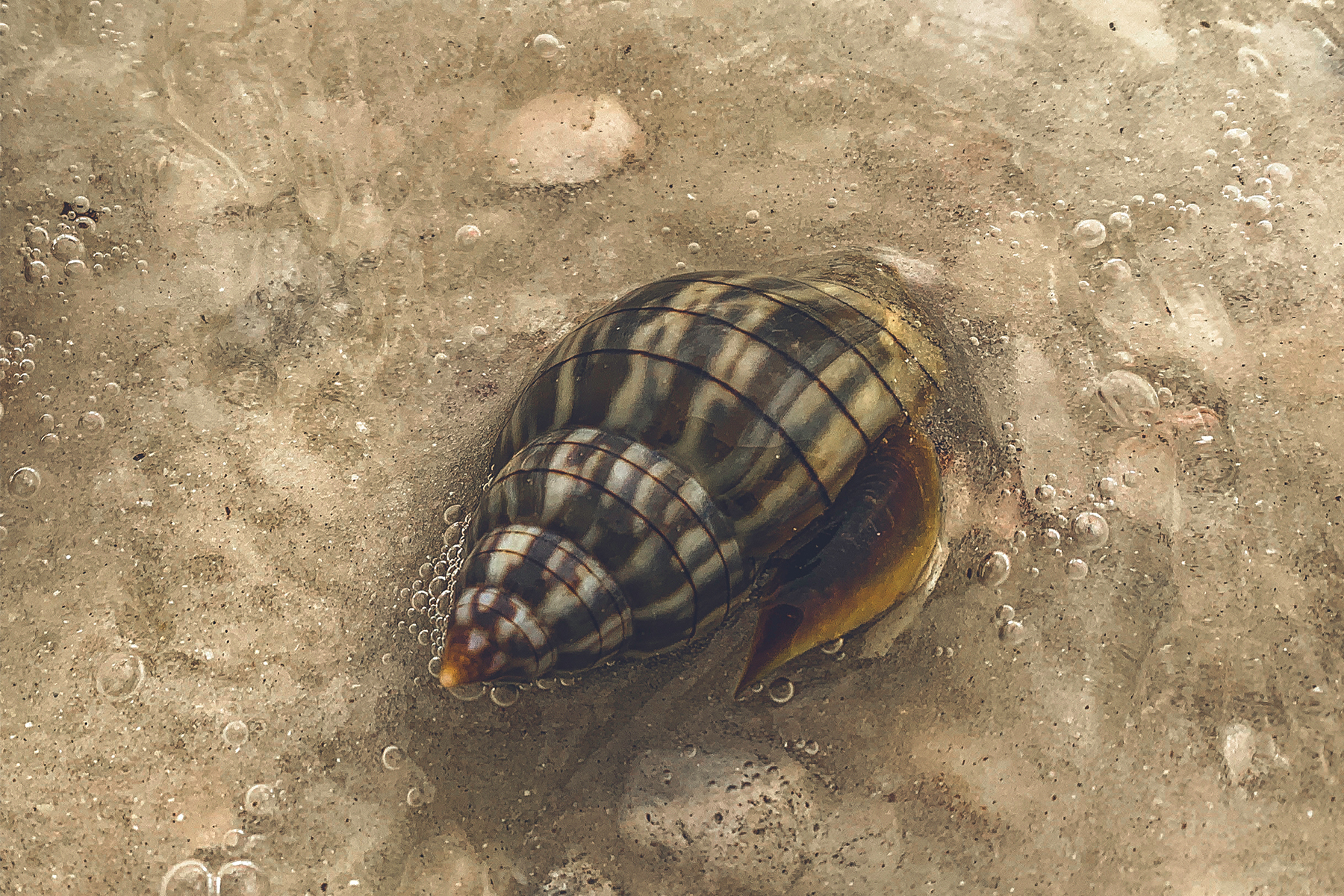
Shelling: Discover the tranquil beauty of Honeymoon Island State Park, where nature’s treasures await. As gentle waves kiss the shore, immerse yourself in the captivating world of shelling. With its pristine beaches and abundant seashells, this paradise becomes a haven for shell enthusiasts. Uncover unique treasures and create lasting memories on your honeymoon island adventure.

Honeymoon Island State Park and Dog Beach offer an exquisite backdrop for an unforgettable beach experience. From the miles of pristine beaches and crystal-clear waters to the incredible sunsets that paint the sky with vibrant colors, this coastal paradise is a haven for romance, relaxation or family fun. Whether you’re lounging on the beach, exploring the nature trails, or enjoying a picnic under the shade of a palm tree, every moment will be an experience and a memory you will cherish for years to come.

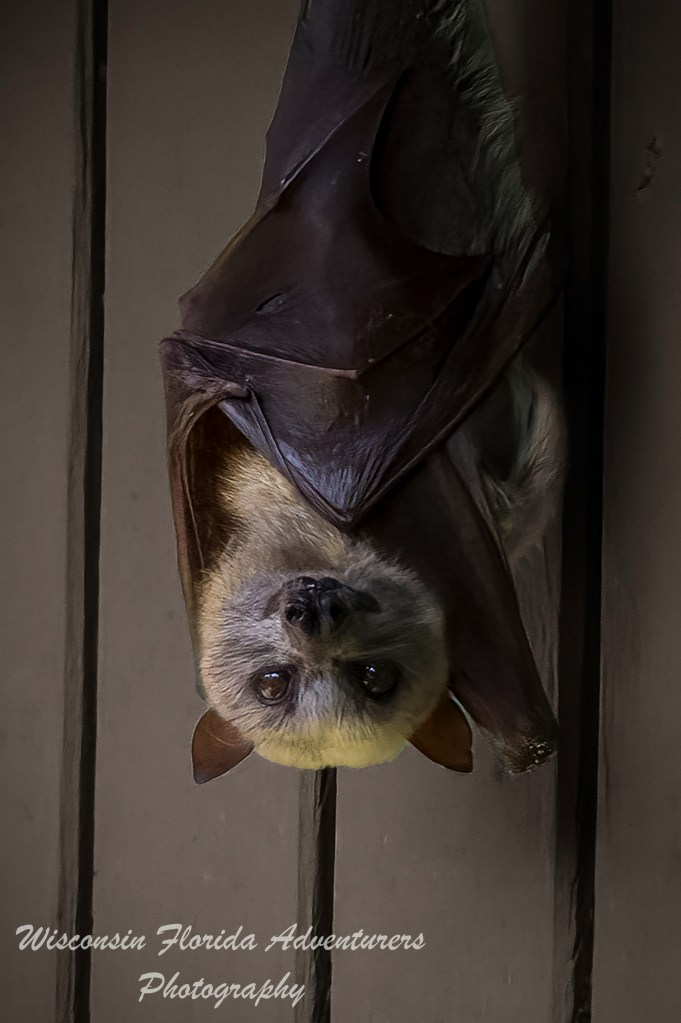
The Fascinating World of the Fruit Bat/Fox Bat

In the vast kingdom of mammals, one creature stands out with its unique characteristics and intriguing lifestyle—the fruit bat, also known as the fox bat. With their distinctive appearance and ecological significance, these fascinating creatures have captured the curiosity of both scientists and nature enthusiasts alike. In this blog, we delve into the world of fruit bats/fox bats and explore their remarkable features, behavior, and ecological importance.

The fruit bat/fox bat is renowned for its striking appearance. They are one of the largest bat species in the world, with a wingspan that can reach up to five feet. These bats have a unique fox-like face, hence their alternate name. Their fur ranges from shades of brown to gray, camouflaging them perfectly against the trees they roost in during the day.

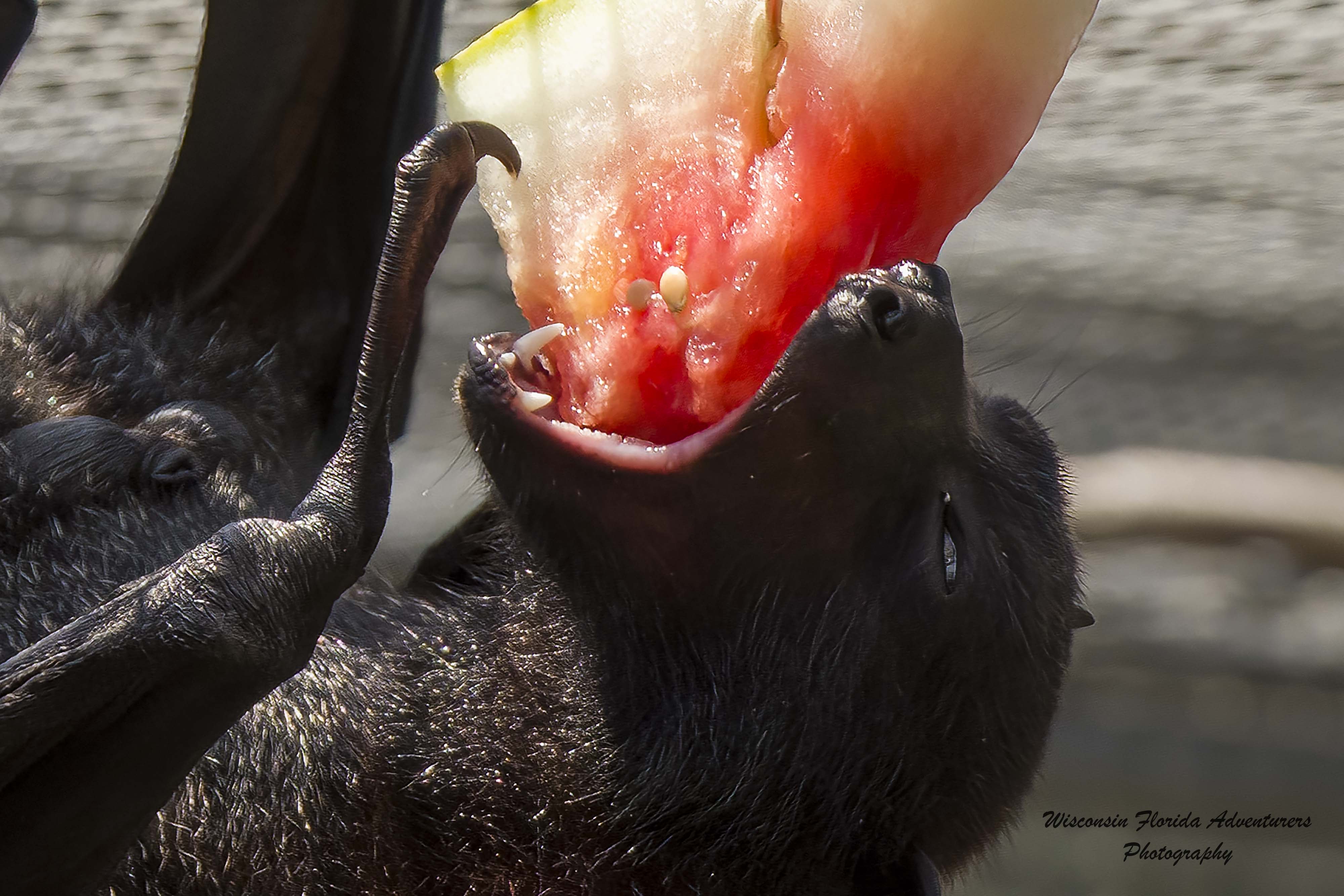
These bats possess several remarkable adaptations that enable their nocturnal lifestyle. Their wings are incredibly thin and flexible, allowing them to perform intricate maneuvers while in flight. The elongated fingers of their wings provide excellent agility, making them highly skilled flyers. Additionally, their elongated snout and large eyes aid in efficient navigation and the detection of food sources.

Fruit bats/fox bats are primarily nocturnal creatures, spending their days hanging upside down in large colonies called roosts. These roosts can comprise thousands of individuals and are typically found in caves, trees, or man-made structures. At dusk, they emerge to forage for their preferred diet—fruit and nectar.

As important pollinators and seed dispersers, fruit bats/fox bats play a vital role in maintaining the balance of ecosystems. Their long tongues and sharp teeth are well-suited for feeding on nectar and fruit. By consuming these resources, they aid in the fertilization of flowers and the dispersal of seeds over large distances, contributing to the regeneration of forests and the diversity of plant species.

The ecological significance of fruit bats/fox bats cannot be overstated. Their feeding habits make them excellent agents of seed dispersal, helping to regenerate forests and maintain biodiversity. They have co-evolved with numerous plant species, forming mutually beneficial relationships. In some cases, fruit bats/fox bats are the only pollinators for certain plants, making them critical for the survival of those species.

Unfortunately, fruit bats/fox bats face several threats. Deforestation, habitat destruction, and hunting pose significant challenges to their populations. Conservation efforts are essential to protect these unique creatures and ensure the preservation of the ecosystems they contribute to.

The fruit bat/fox bat stands out as a remarkable mammal with its unique appearance, behavior, and ecological role. These bats play a vital role in maintaining the balance of ecosystems through their pollination and seed dispersal activities. Understanding and appreciating these fascinating creatures is crucial for their conservation and the preservation of the natural world they are an integral part of. By raising awareness about fruit bats/fox bats, we can contribute to their protection and promote the importance of biodiversity conservation as a whole.

Heckrodt Wetland Reserve: A Nature Lover’s Paradise in Menasha, WI

Not all of my blogs will be about Florida. Wisconsin has some very nice places too. Heckrodt is located near where I use to live in Appleton.


Nestled in the heart of Menasha, Wisconsin, the Heckrodt Wetland Reserve stands as a testament to the region’s commitment to preserving and celebrating its natural heritage. Spanning over 76 acres, this enchanting wetland sanctuary offers visitors a unique opportunity to explore and connect with the rich biodiversity and serene beauty of the area. With its diverse ecosystems, well-maintained trails, and educational programs, Heckrodt Wetland Reserve has become a beloved destination for nature enthusiasts of all ages.

As soon as you step foot into Heckrodt Wetland Reserve, you are greeted by a peaceful ambiance that instantly transports you away from the bustling city. The reserve comprises a mosaic of wetlands, woodlands, prairies, and meadows, each with its own distinct charm and ecological importance. This diverse habitat is home to a remarkable variety of plant and animal species, making it a paradise for wildlife enthusiasts and birdwatchers.

The reserve boasts a network of well-maintained trails that wind through its various habitats, providing visitors with the perfect opportunity to immerse themselves in nature. Whether you are seeking a leisurely stroll or an invigorating hike, Heckrodt Wetland Reserve offers trails suitable for every fitness level. As you wander along the paths, you may encounter picturesque bridges, observation decks, and interpretive signage that offer fascinating insights into the wetland ecosystem.

One of the highlights of Heckrodt Wetland Reserve is its abundant birdlife. Over 200 bird species have been recorded within the reserve’s boundaries, making it a must-visit destination for avid birdwatchers. From the vibrant colors of the majestic blue heron to the melodic songs of warblers and sparrows, the wetland is alive with avian activity throughout the year. The reserve provides bird blinds and designated viewing areas where visitors can quietly observe and appreciate these winged wonders.

Apart from its natural beauty, Heckrodt Wetland Reserve is also committed to environmental education and conservation. The reserve offers a range of educational programs, workshops, and guided tours designed to deepen visitors’ understanding of wetland ecosystems and foster a sense of environmental stewardship. From school field trips to adult workshops, these engaging experiences provide hands-on learning opportunities for visitors of all ages.

Furthermore, the reserve is home to an interpretive center, where visitors can delve into interactive exhibits that showcase the history, ecology, and wildlife of the wetland. The center also hosts informative presentations and events that promote environmental awareness and inspire a connection to nature.

Heckrodt Wetland Reserve is not just a place to visit; it’s a place to engage. The reserve actively encourages community involvement through volunteer programs, citizen science initiatives, and nature-based activities. Whether it’s helping with wetland restoration projects, participating in wildlife monitoring programs, or joining in community celebrations, visitors have the chance to become active participants in the preservation of this precious natural resource.

Heckrodt Wetland Reserve in Menasha, WI, is a hidden gem that captivates all who visit. From its serene landscapes and diverse ecosystems to its commitment to education and conservation, the reserve offers a multifaceted experience for nature lovers. Whether you are seeking solace in the midst of nature, expanding your knowledge, or contributing to a meaningful cause, Heckrodt Wetland Reserve is a place that will leave you with cherished memories and a renewed appreciation for the wonders of the natural world.