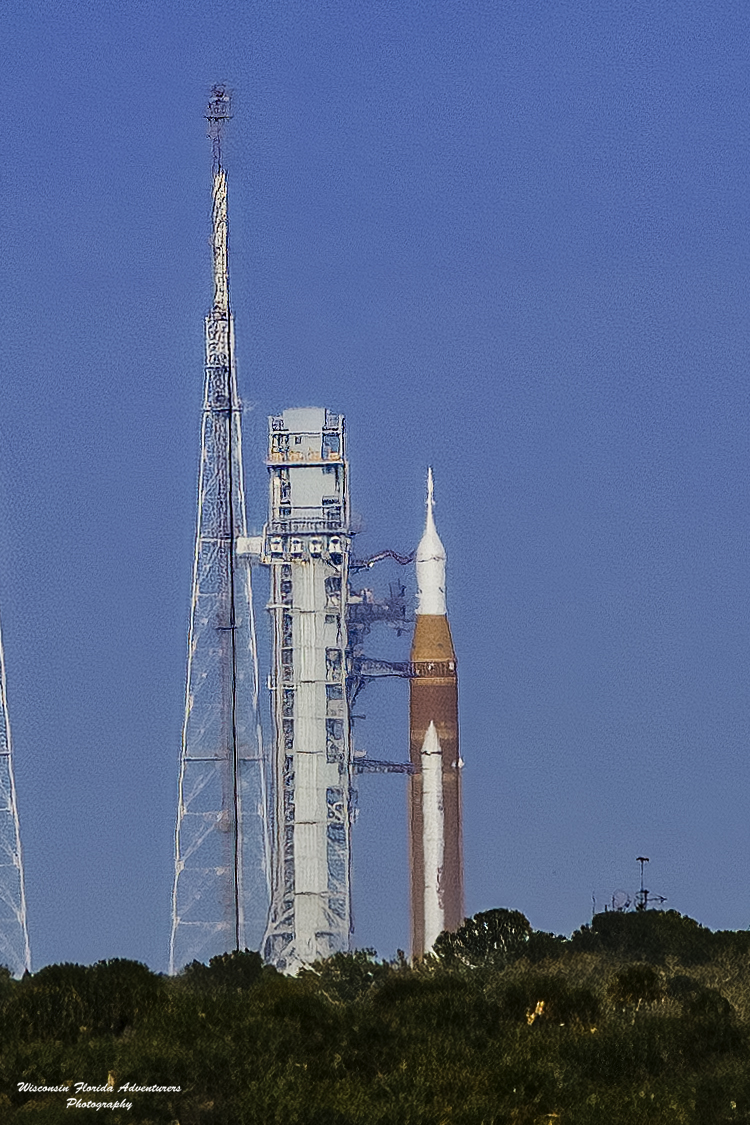
The Artemis II mission, which launched on April 1, 2026, represents a major milestone in modern space exploration. Organized by NASA, this mission is the first time humans have traveled beyond low Earth orbit since the Apollo era, more than 50 years ago. Artemis II is part of NASA’s broader Artemis program, which aims to return astronauts to the Moon and eventually prepare for human missions to Mars.
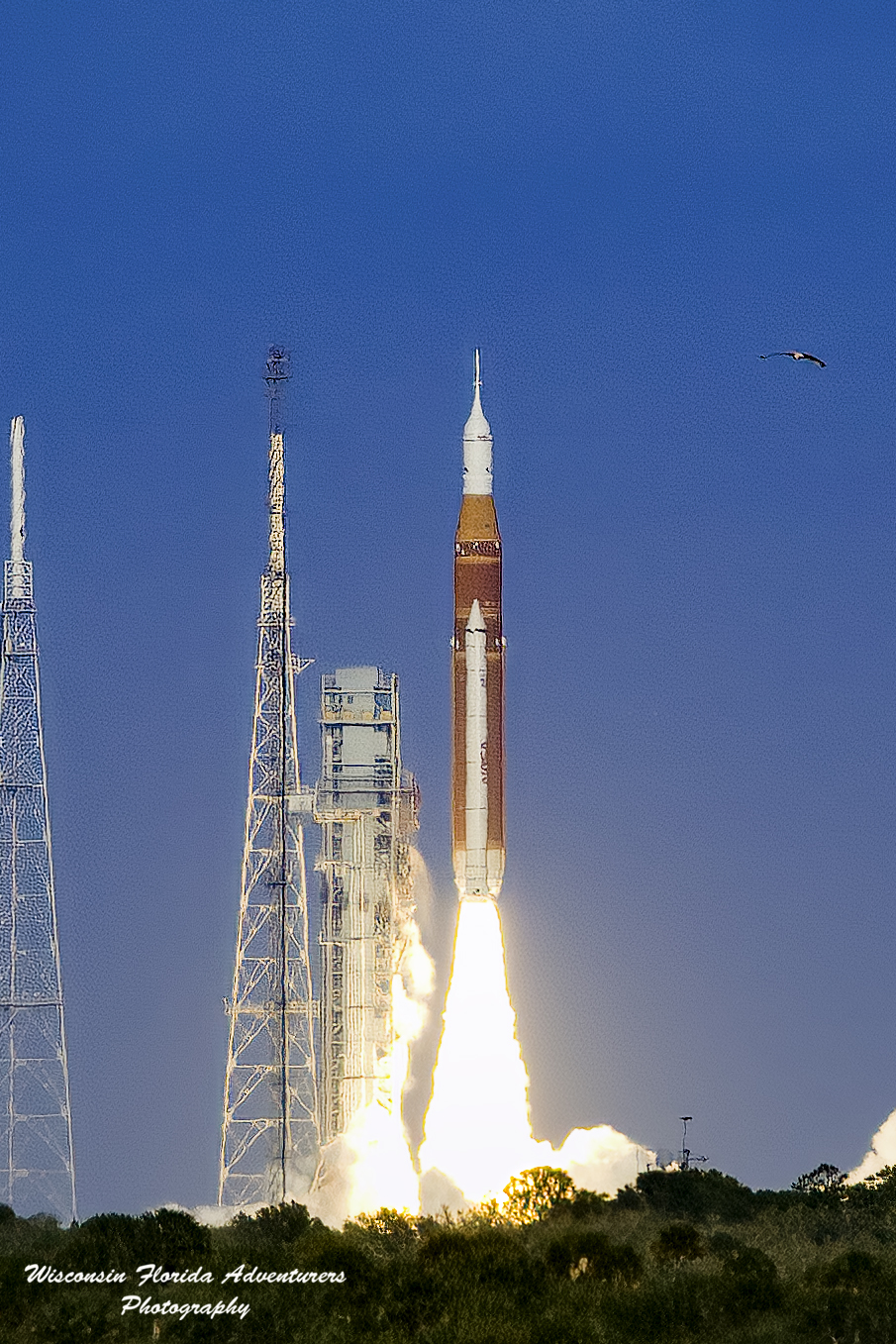
Artemis II launched from the Kennedy Space Center in Florida aboard the powerful Space Launch System rocket, carrying the Orion spacecraft and a crew of four astronauts: Reid Wiseman, Victor Glover, Christina Koch, and Jeremy Hansen. This diverse crew made history, including the first woman, the first Black astronaut, and the first Canadian to travel into deep space on a lunar mission.
The mission lasted about 10 days and followed a “lunar flyby” trajectory. Unlike the Apollo missions that landed on the Moon, Artemis II did not attempt a landing. Instead, it orbited around the Moon and returned to Earth, serving as a critical test flight for future missions. This path, known as a free-return trajectory, allows the spacecraft to loop around the Moon and naturally return to Earth using gravity, increasing safety for the crew.
One of the mission’s primary goals was to test the Orion spacecraft’s systems with astronauts onboard. These included life support, navigation, communication, and manual flight controls. Ensuring these systems work properly is essential before NASA attempts a crewed Moon landing in future missions like Artemis III.
During the journey, Artemis II traveled farther from Earth than any previous human mission, reaching over 250,000 miles away and surpassing the record set by Apollo 13. The astronauts observed the Moon up close, capturing images of its surface and experiencing views such as Earthrise, which provided both scientific data and emotional inspiration.
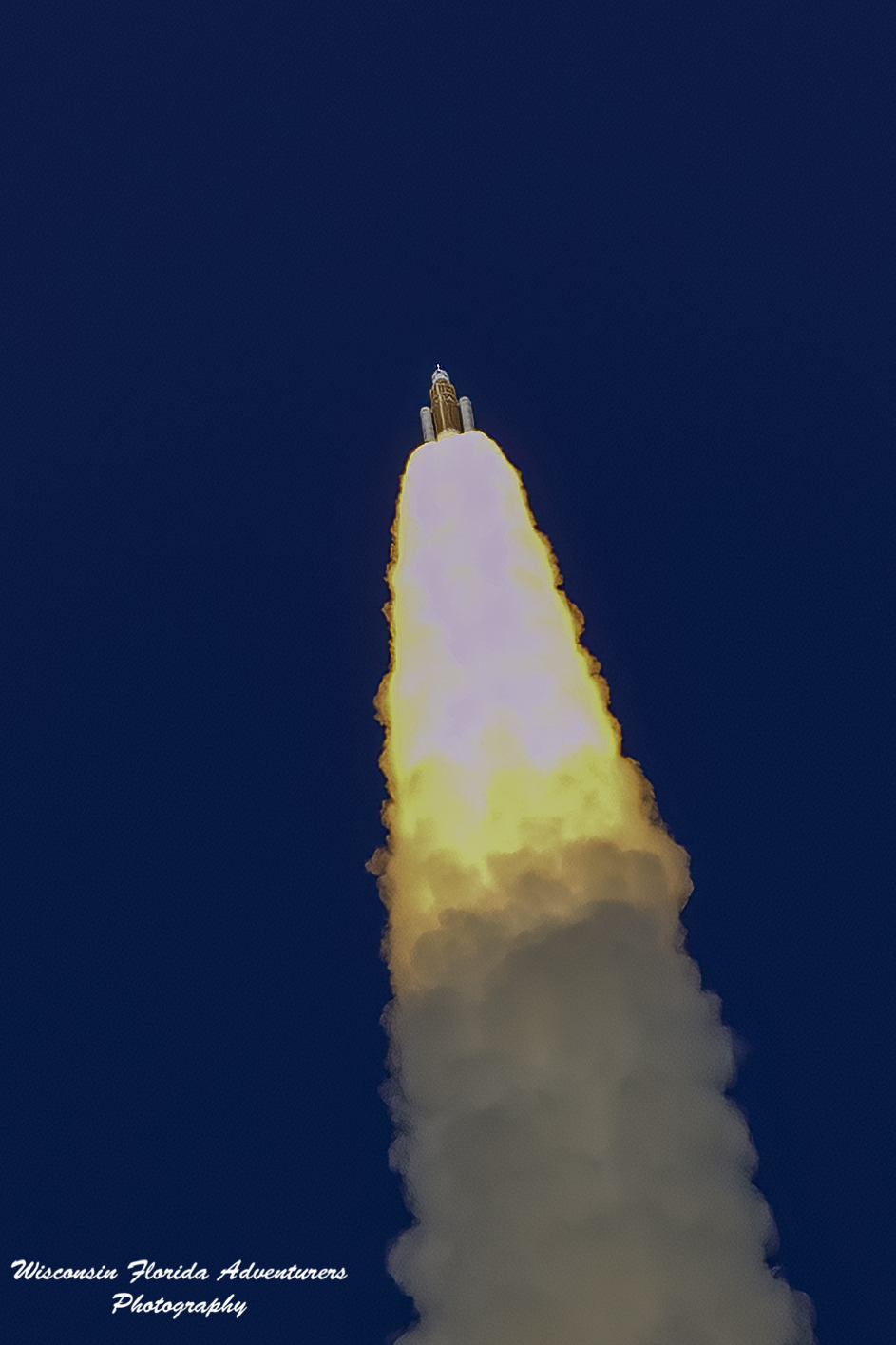
Artemis II is a historic step forward in space exploration. By successfully sending astronauts around the Moon and back, NASA demonstrated the technology and capability needed for future lunar landings. The mission not only advances scientific knowledge but also inspires a new generation to look toward the Moon—and beyond—as humanity continues its journey into deep space.
Slide show of complete launch below.
 Wisconsin Florida Adventurers