Month: July 2024

Discover Florida’s Gulf Coast: Top 10 Beaches Unveiled

Florida’s Gulf Coast is a paradise for beach lovers, boasting some of the most pristine and picturesque beaches in the world. With powdery white sands, crystal-clear waters, and a variety of activities, these beaches offer something for everyone. Here’s a closer look at the top 10 beaches on Florida’s Gulf Coast.

1. Siesta Key Beach

Renowned for its quartz sand that stays cool under the sun, Siesta Key Beach in Sarasota consistently ranks among the best beaches in the United States. The sand’s fine, powdery texture and the beach’s expansive shore make it ideal for sunbathing, playing volleyball, or simply enjoying a leisurely walk. With shallow waters and lifeguards on duty, it’s a perfect destination for families.

2. Clearwater Beach

Clearwater Beach lives up to its name with its clear, shallow waters and soft, white sand. Located near Tampa, this beach is a lively spot with a bustling promenade lined with shops, restaurants, and entertainment options. It’s also a hub for water sports like parasailing and jet skiing. The nearby Pier 60 is a great spot for fishing and catching spectacular sunsets.

3. Sanibel Island

Sanibel Island is a shell collector’s dream. The island’s unique east-west orientation allows it to catch abundant sea shells, earning it the nickname “Shell Capital of the World.” Bowman’s Beach is a favorite for its serene atmosphere and excellent shelling opportunities. The island also offers biking trails, wildlife refuges, and charming boutiques and cafes.

4. Captiva Island

Adjacent to Sanibel, Captiva Island offers a more secluded and tranquil beach experience. The island’s beaches are perfect for those looking to escape the crowds and immerse themselves in nature. The sunsets here are nothing short of magical, painting the sky with vibrant hues of orange and pink. Captiva’s quaint village feel adds to its charm, making it a perfect getaway.

5. St. Pete Beach

St. Pete Beach is known for its wide, sandy shores and clear, warm waters. It’s an ideal destination for relaxation and recreation, offering everything from paddleboarding and parasailing to beachside dining and nightlife. The historic Don CeSar Hotel, a pink palace standing majestically on the shoreline, adds a touch of glamour to this beautiful beach.

6. Fort De Soto Park

Located in Tierra Verde, Fort De Soto Park is a gem with pristine beaches, a historic fort, nature trails, and camping facilities. The park’s North Beach is particularly popular for its calm, shallow waters, making it perfect for swimming and kayaking. Birdwatchers and nature enthusiasts will also appreciate the park’s rich biodiversity.

7. Naples Beach

Naples Beach is a haven for those seeking a more upscale beach experience. The soft, sandy shores are perfect for sunbathing, and the calm waters are great for swimming and paddleboarding. The iconic Naples Pier offers excellent fishing opportunities and is a fantastic spot to watch dolphins and enjoy stunning sunsets.

8. Destin Beach

Often referred to as the “Emerald Coast” due to its clear, green waters, Destin Beach is a favorite for fishing, boating, and beachgoing. The sand here is exceptionally white and soft, creating a striking contrast with the emerald waters. Destin’s vibrant harbor is lined with seafood restaurants and shops, adding to the beach’s appeal.

9. Anna Maria Island

Anna Maria Island offers a laid-back atmosphere with beautiful beaches like Coquina Beach and Manatee Public Beach. This charming island is perfect for a relaxed beach day, with its clear waters, gentle waves, and old-Florida charm. The island’s small-town feel and friendly locals make it a welcoming destination.

10. Marco Island

Marco Island features wide, sandy beaches with gentle waves, making it a great destination for families. Tigertail Beach, in particular, is popular among nature lovers and shell collectors. The island’s natural beauty, combined with its array of water activities like kayaking and paddleboarding, ensures there’s always something to do.

Florida’s Gulf Coast is a treasure trove of stunning beaches, each offering unique experiences. Whether you’re looking for bustling tourist spots or serene, natural settings, these top 10 beaches are sure to provide unforgettable memories. So pack your sunscreen, grab your beach towel, and get ready to explore the best of Florida’s Gulf Coast!

Apollo Saturn V Rocket: Triumph of Engineering Ingenuity

In the annals of human history, few technological achievements stand as tall, both literally and metaphorically, as the Apollo Saturn V rocket. This colossal machine, a marvel of engineering prowess and human determination, was the vehicle that propelled mankind beyond Earth’s atmosphere and onto the surface of the moon. Standing at a towering height of 363 feet (or 111 meters), the Saturn V was once the tallest, heaviest, and most powerful rocket ever successfully flown.

The genesis of the Saturn V rocket lies in the fervent ambitions of the United States to claim victory in the Space Race, a heated competition against the Soviet Union during the Cold War era. Conceived under the NASA Apollo program, the Saturn V was designed to fulfill the audacious goal set forth by President John F. Kennedy in 1961: to land humans on the moon and return them safely to Earth before the end of the decade.

DCIM100GOPROGOPR0137.JPG

The Saturn V was not merely a rocket; it was a triumph of engineering ingenuity. Comprising three main stages, each equipped with powerful engines and fuel tanks, the rocket was designed to deliver payloads beyond Earth’s orbit. The first stage, fueled by kerosene and liquid oxygen, generated a staggering 7.5 million pounds of thrust, propelling the rocket to an altitude of approximately 42 miles in just under 150 seconds.

Upon the exhaustion of its fuel, the first stage separated and fell away, allowing the second stage to ignite its engines. This stage, powered by liquid hydrogen and liquid oxygen, continued to push the spacecraft deeper into space. Finally, the third stage, known as the S-IVB, provided the necessary thrust to place the Apollo spacecraft into lunar orbit or on a trajectory towards the moon.

The Saturn V rocket’s legacy is indelibly linked with the success of the Apollo lunar missions. On July 16, 1969, Apollo 11 embarked on a journey that captivated the world. Astronauts Neil Armstrong, Buzz Aldrin, and Michael Collins were launched into space atop the mighty Saturn V, bound for humanity’s first steps on another celestial body.

As the world held its breath, the Saturn V performed flawlessly, propelling the Apollo spacecraft toward the moon. On July 20, 1969, Neil Armstrong descended the lunar module’s ladder and uttered those immortal words: “That’s one small step for man, one giant leap for mankind.” This historic achievement was made possible by the unparalleled capabilities of the Saturn V rocket.

Apollo Saturn 5

Beyond Apollo 11, the Saturn V continued to play a pivotal role in subsequent Apollo missions, including the successful landings of Apollo 12, 14, 15, 16, and 17 on the lunar surface. Each mission expanded humanity’s understanding of our nearest celestial neighbor and paved the way for future exploration of the cosmos.

The technological advancements and lessons learned from the Saturn V program have left an enduring legacy. The rocket’s development pushed the boundaries of aerospace engineering, inspiring subsequent generations of scientists, engineers, and dreamers. Moreover, the Apollo program demonstrated the profound capabilities of international collaboration and human ingenuity.

In retrospect, the Apollo Saturn V rocket stands as a testament to the heights humanity can achieve when driven by curiosity, determination, and a spirit of exploration. Its towering presence on the launch pad symbolized not just a mission to the moon, but a beacon of hope and possibility for all humankind.

As we look toward the future of space exploration, with plans for crewed missions to Mars and beyond, the legacy of the Saturn V serves as a reminder of what can be accomplished through perseverance and innovation. The Saturn V rocket will forever hold a place in history as a monumental achievement, embodying the dreams and aspirations of a generation who dared to reach for the stars.

Space Shuttle Atlantis: Unveiling the Legacy of Human Space Exploration

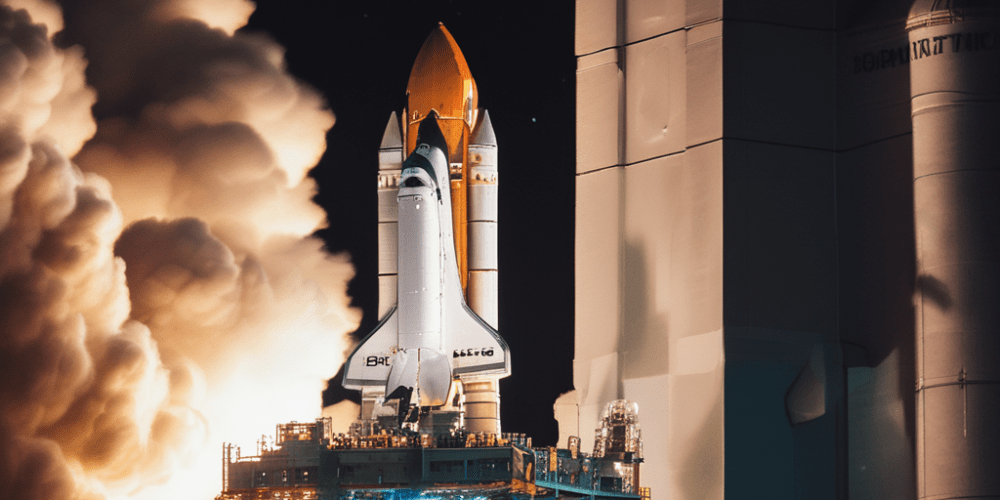
In the vast panorama of human exploration, few vehicles have captured the imagination and pushed the boundaries of our understanding like the Space Shuttle Atlantis. Part of NASA’s storied Space Shuttle program, Atlantis holds a special place in the hearts of space enthusiasts and historians alike. Let’s take a journey through its illustrious history and explore the impact it had on space exploration.

Atlantis was named after RV Atlantis, a two-masted sailing ship that operated as a research vessel for the Woods Hole Oceanographic Institution from 1930 to 1966. The shuttle itself was delivered to NASA in 1985, making it the fourth operational shuttle in the fleet. Its maiden flight, STS-51-J, took place on October 3, 1985, and marked the beginning of a remarkable career in space exploration.

Throughout its operational life, Atlantis undertook a multitude of missions critical to the construction and servicing of the International Space Station (ISS), deploying satellites, conducting scientific experiments, and even performing important repair missions to the Hubble Space Telescope.

One of the most iconic moments in Atlantis’s history was its role in servicing the Hubble Space Telescope. The telescope, a pinnacle of astronomical observation, required periodic maintenance and upgrades to ensure its scientific capabilities remained at the cutting edge. Atlantis undertook several missions to the Hubble, including the final servicing mission in 2009 (STS-125), which extended the telescope’s operational life and significantly enhanced its scientific potential.

Atlantis

Atlantis played a pivotal role in the construction and resupply of the International Space Station (ISS), a collaborative effort involving multiple nations to establish a permanent human presence in space. Its missions included delivering crucial components like the Russian-built Zarya module and conducting assembly tasks that laid the foundation for the ISS’s expansive growth over the years.

Atlantis

Beyond its technical achievements, Atlantis became an iconic symbol of human ingenuity and determination. Its missions captured the public’s imagination and inspired generations to pursue careers in science, technology, engineering, and mathematics (STEM). The shuttle’s ability to ferry astronauts and cargo to space, coupled with its capability to return safely to Earth, marked a new era in space travel.

Atlantis

Atlantis also played a significant role in bridging the gap between the end of the Apollo program and the dawn of new space exploration initiatives. It served as a workhorse for NASA, embodying the agency’s commitment to pushing the boundaries of human knowledge and exploration.

After 33 successful missions spanning over 25 years, Atlantis flew its final mission (STS-135) on July 8, 2011, marking the end of the Space Shuttle program. This poignant moment signified the conclusion of an era in space exploration but paved the way for new endeavors, including NASA’s focus on deep space exploration and partnerships with private companies like SpaceX and Boeing.

Today, Atlantis stands as a testament to human achievement in space exploration. It is displayed with pride at the Kennedy Space Center Visitor Complex in Florida, where visitors can marvel at its sheer size and the technological prowess it represents. Its legacy lives on in the memories of those who witnessed its missions and in the continued pursuit of scientific discovery and exploration beyond Earth’s bounds.

The Space Shuttle Atlantis remains a symbol of human innovation, resilience, and the relentless pursuit of knowledge. Its missions, from launching satellites to servicing the Hubble Space Telescope and assembling the ISS, have left an indelible mark on space exploration history. As we look to the future of space travel, we can draw inspiration from Atlantis’s legacy—a legacy of pushing boundaries, overcoming challenges, and daring to reach for the stars.

In the grand tapestry of our journey beyond Earth, Atlantis shines brightly—a beacon of our collective aspiration to explore, discover, and understand the cosmos.