Honeymoon Island, situated off the coast of Florida, is a tropical paradise that captivates visitors with its pristine beaches, crystal-clear waters, and abundant wildlife. Among its many intriguing inhabitants, the gopher tortoise stands out as a remarkable species that has called this island home for centuries. In this blog, we delve into the fascinating world of the gopher tortoise and shed light on its significance in the ecosystem of Honeymoon Island.
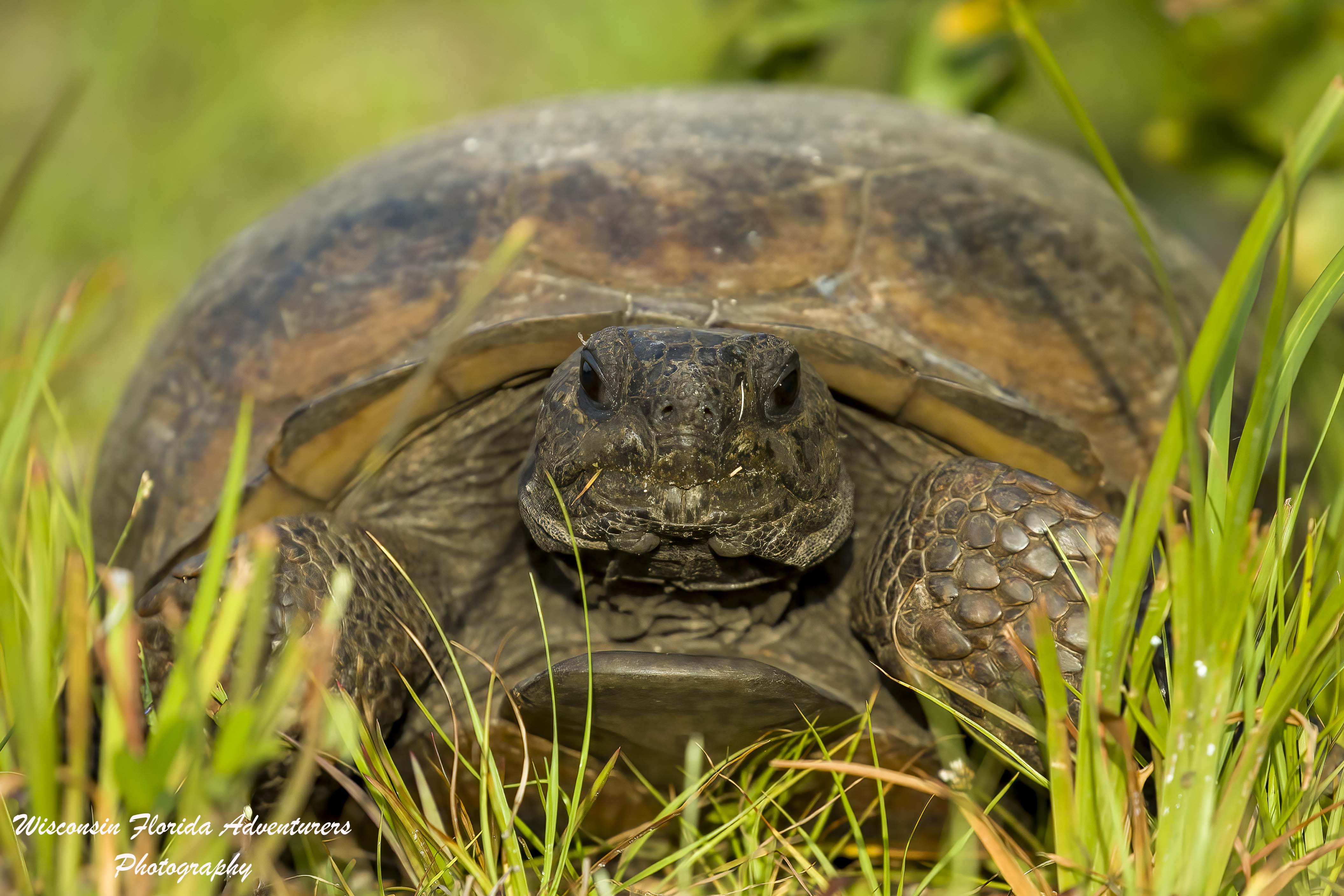
The gopher tortoise is a reptile native to the southeastern United States, including the beautiful state of Florida. These tortoises have a unique ability to excavate burrows, which provide shelter for themselves and serve as refuge for over 360 other species, earning them the title of “ecosystem engineers.” On Honeymoon Island, the gopher tortoise plays a crucial role in maintaining the island’s delicate ecological balance.
Honeymoon Island’s sandy dunes and scrubby flatwoods offer the perfect habitat for the gopher tortoise. These tortoises are well-adapted to sandy soils and can be found in areas with suitable vegetation for foraging. Their burrows, which can extend up to 40 feet in length, provide protection from predators and harsh environmental conditions, as well as stable microclimates for a variety of species.
Despite their importance, gopher tortoises face numerous conservation challenges. Human activities such as habitat destruction, urbanization, and road mortality pose significant threats to their populations. As a result, Honeymoon Island has implemented several conservation measures, including educational programs, habitat restoration, and protection of nesting sites, to ensure the survival of this unique species.
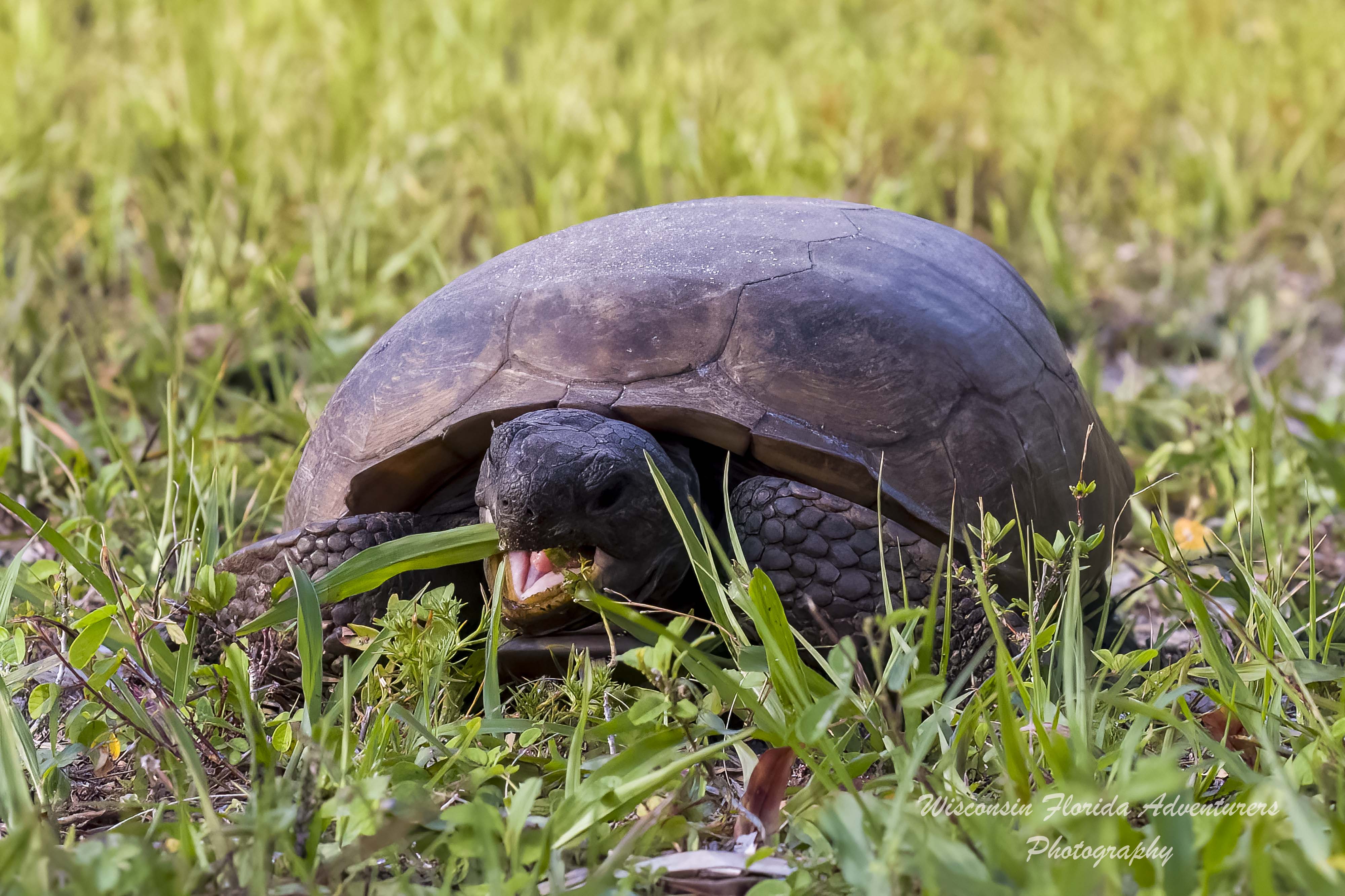
The gopher tortoise is considered a keystone species, meaning it plays a crucial role in maintaining the health and diversity of its ecosystem. By digging burrows, gopher tortoises aerate the soil, promote seed dispersal, and provide shelter for various organisms like snakes, insects, and mammals. Without these tortoises, the island’s ecosystem would experience significant disruptions.
Gopher tortoises have a slow reproductive rate, with females laying around 4-9 eggs in a nest dug within their burrows. These nests provide a safe incubation environment, protecting the eggs from predators and extreme temperatures. The hatching period lasts for about three to four months, after which the hatchlings emerge, starting their journey in the complex world of Honeymoon Island.
Visitors to Honeymoon Island have the unique opportunity to observe these incredible tortoises in their natural habitat. However, it’s important to respect their space and avoid any disturbance. The island’s management ensures that human activities are carefully regulated to protect the gopher tortoises and their fragile environment.
Preserving the gopher tortoise population on Honeymoon Island is essential for the long-term health and sustainability of the island’s ecosystem. Ongoing efforts include habitat restoration, monitoring programs, and public education to raise awareness about the importance of these reptiles. By supporting these initiatives, visitors can actively contribute to the conservation of this iconic species.

Honeymoon Island provides a sanctuary for the enigmatic gopher tortoise, an ancient reptile that plays a vital role in shaping the island’s ecosystem. By understanding their significance and actively participating in conservation efforts, we can ensure that future generations will continue to marvel at these remarkable creatures. So, next time you visit Honeymoon Island, take a moment to appreciate the gopher tortoise and its invaluable contribution to this tropical paradise.
 Wisconsin Florida Adventurers