Nature

Exploring Stilt Houses of New Port Richey

The stilt houses off New Port Richey, Florida, are a unique and picturesque feature of the Gulf Coast landscape, offering a glimpse into both the region’s cultural history and its adaptive architectural practices. These iconic structures, also known as “fish camps” or “stilt cottages,” were originally built in the early 20th century, primarily as temporary fishing outposts, though some were later modified for recreational use. Located just off the coastline in the shallow waters of the Gulf of Mexico, they stand on stilts above the water, creating a striking image of rustic beauty and resilience against the forces of nature.

Constructed from wood, with raised platforms that sit several feet above the water, the stilt houses are designed to withstand the changing tides and occasional storm surges that characterize the Gulf region. The houses, which are accessible only by boat, typically feature modest living spaces, with wooden decks offering panoramic views of the surrounding water and wetlands. Many of these houses have weathered multiple hurricanes and storms, testaments to the ingenuity and craftsmanship of their builders.

Historically, these stilt houses were built by local fishermen who needed a convenient place to store their equipment and take shelter while working the abundant fishing grounds just offshore. Over time, the houses became popular for recreational purposes as well, providing a peaceful retreat for those seeking to escape the bustling mainland. Although they were once more numerous, many of these structures have been lost to time and weather, leaving a small but cherished number still standing.

The stilt houses have become a symbol of the region’s heritage and an important part of local identity. In recent years, preservation efforts have been made to maintain the remaining structures, as they face the constant threat of erosion, storms, and the strict regulations governing their repair and reconstruction. While no new stilt houses are allowed to be built due to environmental and zoning laws, the existing ones offer a rare and protected glimpse into the Gulf Coast’s past. Today, they are admired by boaters and kayakers, serving as both a reminder of Florida’s rich maritime history and a serene escape from modern life.

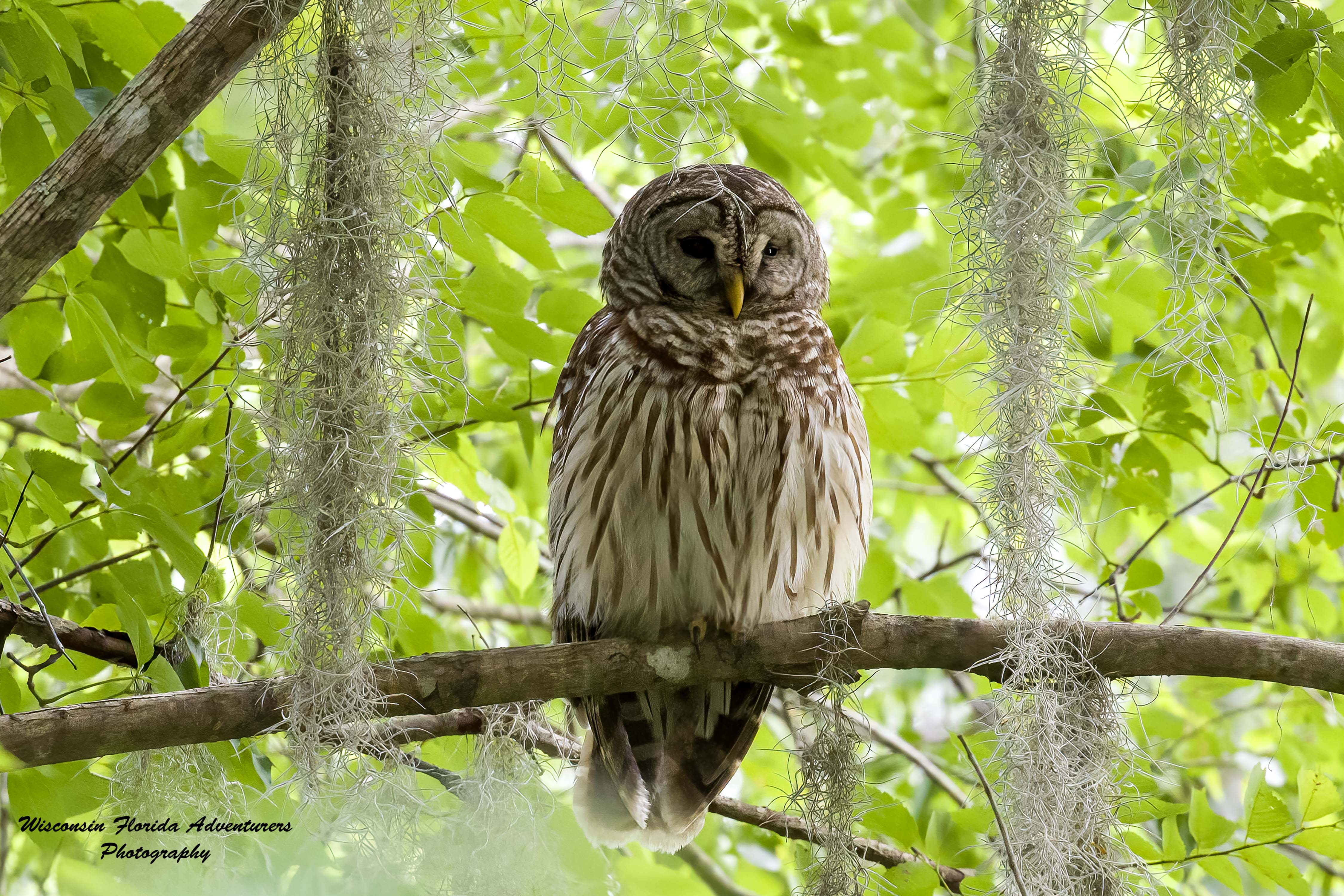
The Barred Owl and Owlets at Circle B Bar Reserve

Nestled within the heart of Florida’s natural landscape, Circle B Bar Reserve stands as a testament to the region’s rich biodiversity and ecological significance. Among its diverse inhabitants, the barred owl and its owlets reign supreme, captivating visitors with their majestic presence and endearing family dynamics. There is a unique relationship between the barred owl and owlets at Circle B Bar Reserve, highlighting their role in the reserve’s ecosystem and the conservation efforts aimed at ensuring their continued existence.

Circle B Bar Reserve provides an ideal habitat for the barred owl, with its extensive wetlands, oak hammocks, and abundant prey species. These adaptable birds of prey thrive in the reserve’s diverse landscape, utilizing its resources to establish territories, build nests, and raise their young. Their haunting hoots echo through the forest, serving as a reminder of their presence and vital role in maintaining ecological balance.

Within the tranquil confines of Circle B Bar Reserve, barred owls engage in the timeless rituals of courtship and nesting. During the breeding season, which typically occurs from February to May, pairs of barred owls engage in elaborate displays of affection, including duets of hoots and mutual preening. Once a suitable nest site is selected, often a hollow tree cavity or abandoned hawk nest, the female lays 2-4 eggs, which she diligently incubates while the male provides food.

The arrival of owlets marks an exciting occasion in the lives of barred owl parents as well as visitors to Circle B Bar Reserve. With the hatching of their offspring, the parents assume the role of devoted caregivers, providing warmth, protection, and nourishment to their vulnerable chicks. The owlets, adorned with fluffy down feathers, rely entirely on their parents for sustenance, eagerly consuming regurgitated prey items delivered with precision and care.

As the owlets grow, they embark on a journey of discovery within the confines of their nest and the surrounding habitat. Under the watchful gaze of their parents, they begin to explore their surroundings, testing their wings and developing essential skills for survival. Guided by instinct and parental guidance, they learn to recognize prey, navigate their environment, and eventually take flight into the world beyond the nest.

The barred owl and owlets of Circle B Bar Reserve serve as invaluable educational resources, offering visitors a firsthand glimpse into the wonders of avian parenthood and wildlife conservation. Visitors gain a deeper appreciation for the interconnectedness of all living things and the importance of preserving natural habitats for future generations.

Despite the sanctuary provided by Circle B Bar Reserve, barred owls and their owlets face numerous challenges and threats to their survival. Habitat loss, fragmentation, and human disturbance pose significant risks to their nesting sites and food sources. In response, conservation efforts have been initiated to mitigate these threats, including habitat restoration, invasive species management, and public outreach campaigns aimed at raising awareness about the plight of these magnificent birds.

As stewards of Circle B Bar Reserve and guardians of its natural heritage, it is our collective responsibility to ensure the continued existence of the barred owl and its owlets for generations to come. By supporting conservation efforts, fostering an appreciation for nature, and preserving critical habitat corridors, we can safeguard the sanctuary of life that thrives within the reserve’s boundaries.

In the tranquil embrace of Circle B Bar Reserve, the barred owl and its owlets stand as ambassadors of the natural world, inspiring awe and wonder in all who encounter them. Through their resilience, adaptability, and unwavering parental devotion, they embody the timeless beauty and complexity of nature, reminding us of our interconnectedness and shared responsibility to protect and preserve the fragile ecosystems that sustain us all.

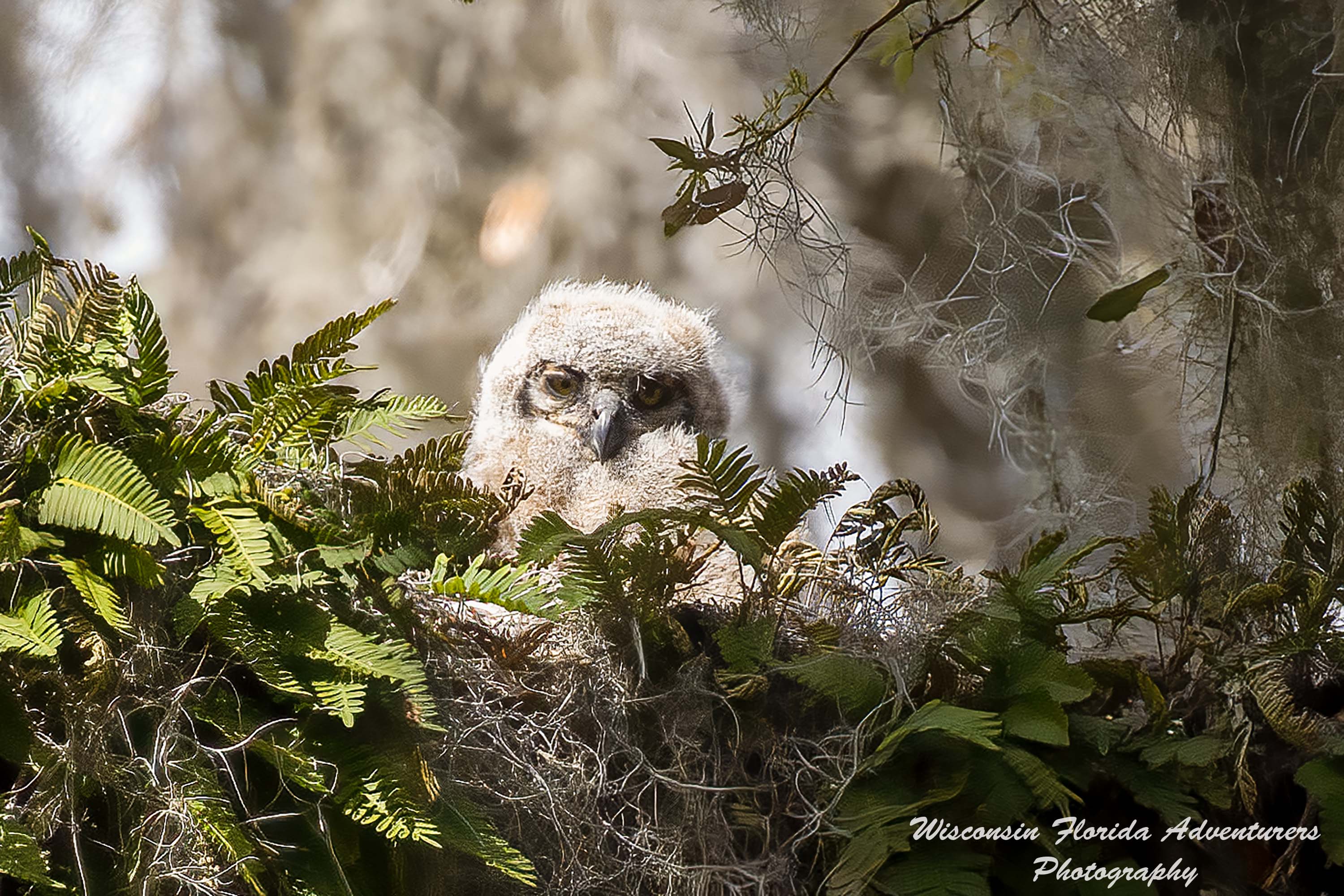
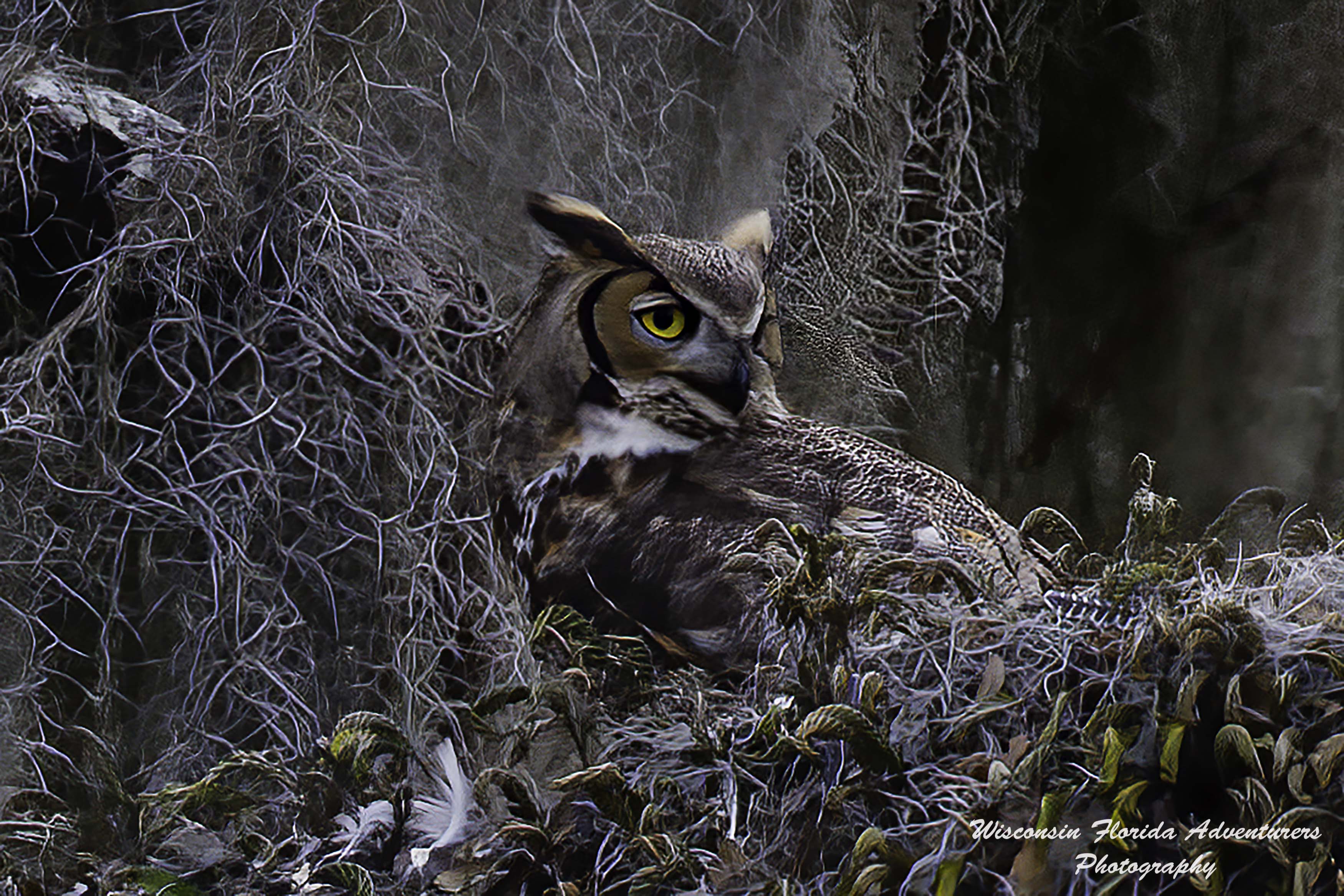
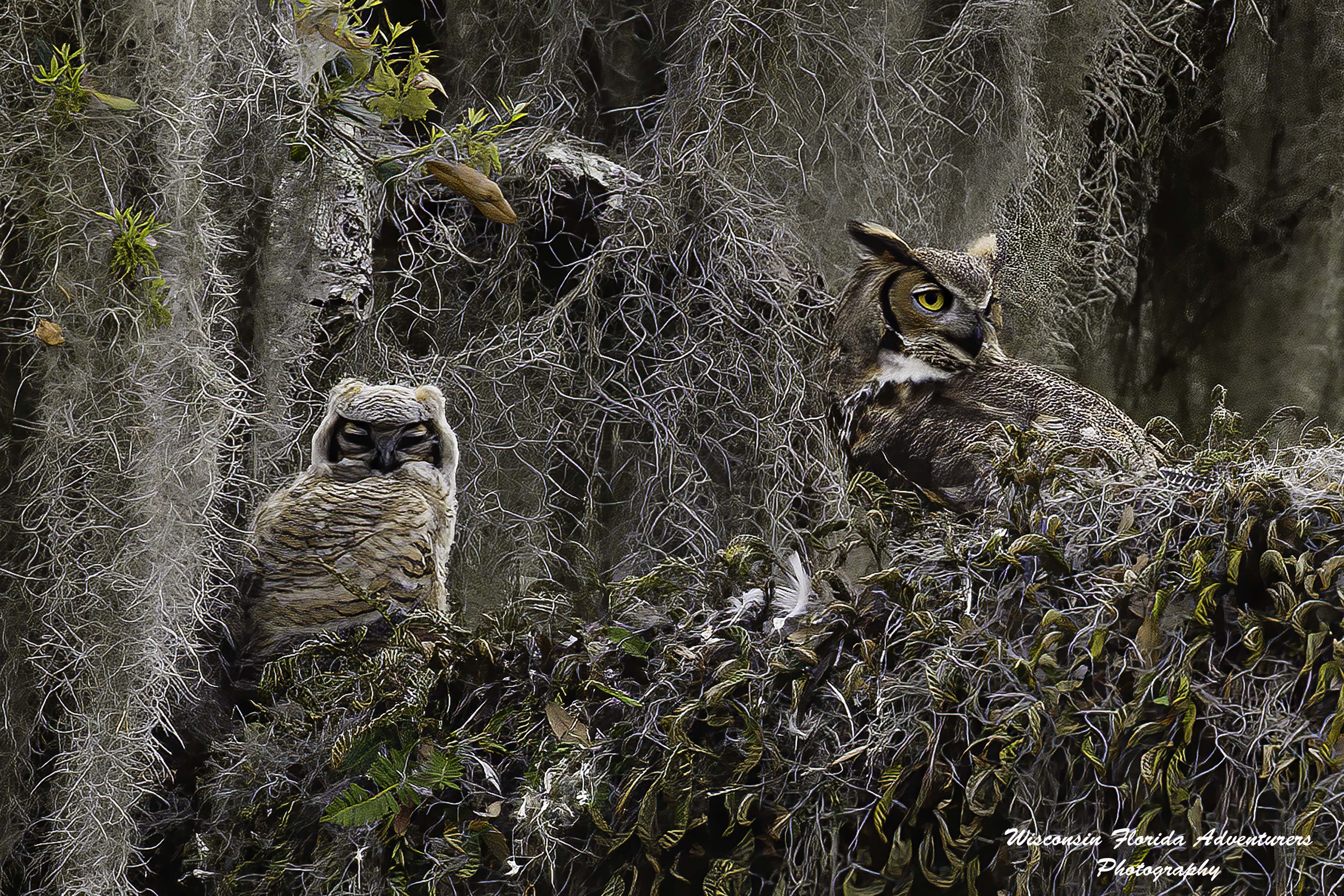
The Great Horned Owl and Owlet

In the vastness of the animal kingdom, few creatures evoke the sense of mystery and wisdom as the great horned owl (Bubo virginianus) and its adorable yet resilient owlet. With their piercing yellow eyes, majestic plumage, and haunting hoots echoing through the night, these magnificent birds command both respect and admiration.

The great horned owl, often referred to as the “Tiger of the Sky,” is one of the most widespread and adaptable owl species, inhabiting diverse environments across North and South America. Named for the prominent feather tufts resembling horns atop their heads, these formidable predators possess an array of remarkable adaptations that make them apex hunters of the nocturnal realm.

One of the most striking features of the great horned owl is its silent flight. Equipped with specialized feathers that break turbulence into smaller currents, they glide through the darkness with unparalleled stealth, enabling them to surprise their prey with deadly accuracy. With powerful talons capable of exerting crushing force, they strike swiftly and efficiently, preying on a wide variety of animals including rodents, rabbits, birds, and even other raptors.

But beyond their prowess as hunters, great horned owls are also nurturing parents, fiercely protective of their young. In the early months of the year, amidst the chill of winter, these magnificent birds engage in elaborate courtship rituals, culminating in the selection of a suitable nesting site. Typically choosing abandoned nests of other large birds or even hollows in trees, they meticulously prepare their abode for the arrival of their offspring.

Enter the owlets, perhaps the epitome of charm and resilience in the avian world. Hatching from eggs carefully incubated by their parents, these fluffy bundles of down represent the continuation of a lineage steeped in ancient wisdom. Blind and helpless at birth, they depend entirely on the tireless efforts of their parents for warmth, protection, and nourishment.

As the weeks pass, the owlets undergo a remarkable transformation. Covered in soft down feathers that eventually give way to the iconic plumage of their species, they grow stronger with each passing day. Under the watchful gaze of their parents, they begin to explore their surroundings, honing their instincts and reflexes through playful antics and mock hunts.

Yet, life in the wild is fraught with peril, and the journey to adulthood is fraught with challenges. From territorial disputes with other predators to the ever-looming threat of starvation, the odds are stacked against these young owls from the moment they hatch. However, armed with the guidance of their parents and an innate resilience ingrained in their very being, they persevere against all odds.

For those fortunate enough to witness the spectacle of a great horned owl and its owlet in the wild, it is a poignant reminder of the delicate balance that exists in nature. In their silent flight and piercing gaze, we find echoes of an ancient wisdom that transcends the confines of time and space. They are not merely birds of prey but guardians of the night, symbols of strength, resilience, and the enduring spirit of the wilderness.

Great Horned Owl and Owlet.

Exploring the Beauty of Bok Tower Gardens in Lake Wales, Florida

Nestled in the heart of Lake Wales, Florida, lies a hidden gem known as Bok Tower Gardens. Spanning 250 acres of lush landscapes, serene gardens, and captivating architecture, this enchanting destination offers visitors a truly magical experience. From its iconic Singing Tower to its diverse botanical wonders, Bok Tower Gardens invites you to immerse yourself in the beauty of nature and indulge in a peaceful retreat. Join us as we embark on a virtual journey to discover the captivating allure and rich history of Bok Tower Gardens.

A Tapestry of Nature’s Beauty: Bok Tower Gardens boasts a breathtaking collection of botanical wonders, showcasing the splendor of Florida’s diverse flora. As you wander through the gardens, you’ll encounter an array of vibrant blooms, towering palm trees, and meticulously manicured lawns. The lush landscapes create a serene ambiance that evokes a sense of tranquility and harmony.

One of the most iconic features of Bok Tower Gardens is the Singing Tower, a magnificent structure that rises 205 feet above the ground. Constructed with pink and gray marble and adorned with intricate carvings, the tower stands as a testament to both architectural excellence and natural beauty. At its peak, you’ll find a stunning carillon, a musical instrument comprising 60 bronze bells, which fills the air with captivating melodies throughout the day.

Enchanting Gardens and Serene Sanctuaries: Within the expansive grounds of Bok Tower Gardens, you’ll discover a plethora of enchanting gardens and serene sanctuaries, each offering its own unique charm. The Sundial Garden, with its vibrant floral displays and meandering paths, provides a perfect spot for relaxation and contemplation.

For nature enthusiasts, the Pine Ridge Nature Preserve presents an opportunity to explore Florida’s diverse ecosystems. Here, you can stroll along nature trails that wind through longleaf pine forests, lush wetlands, and scenic vistas. Keep an eye out for wildlife, as the preserve is home to an array of bird species and other native creatures.

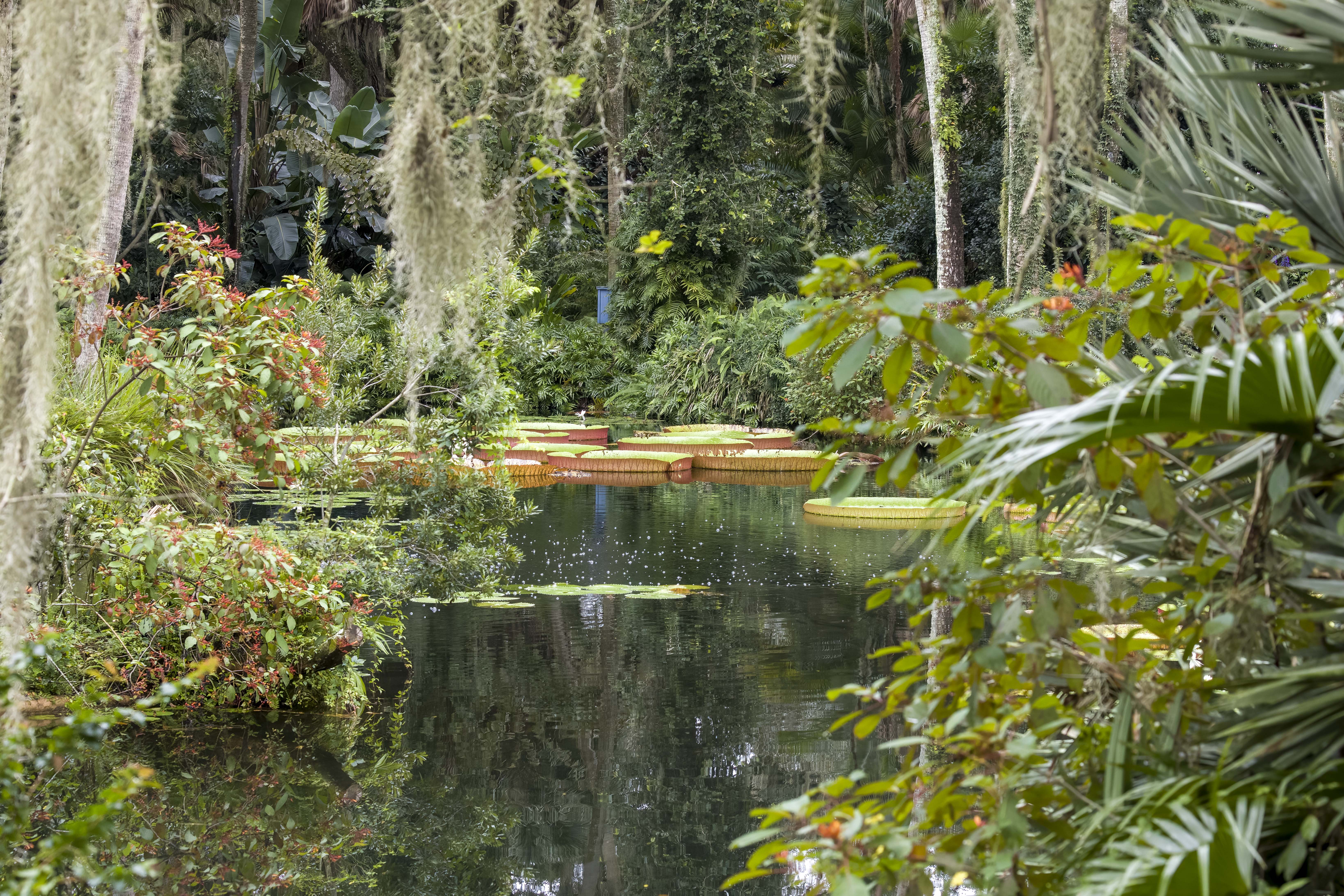
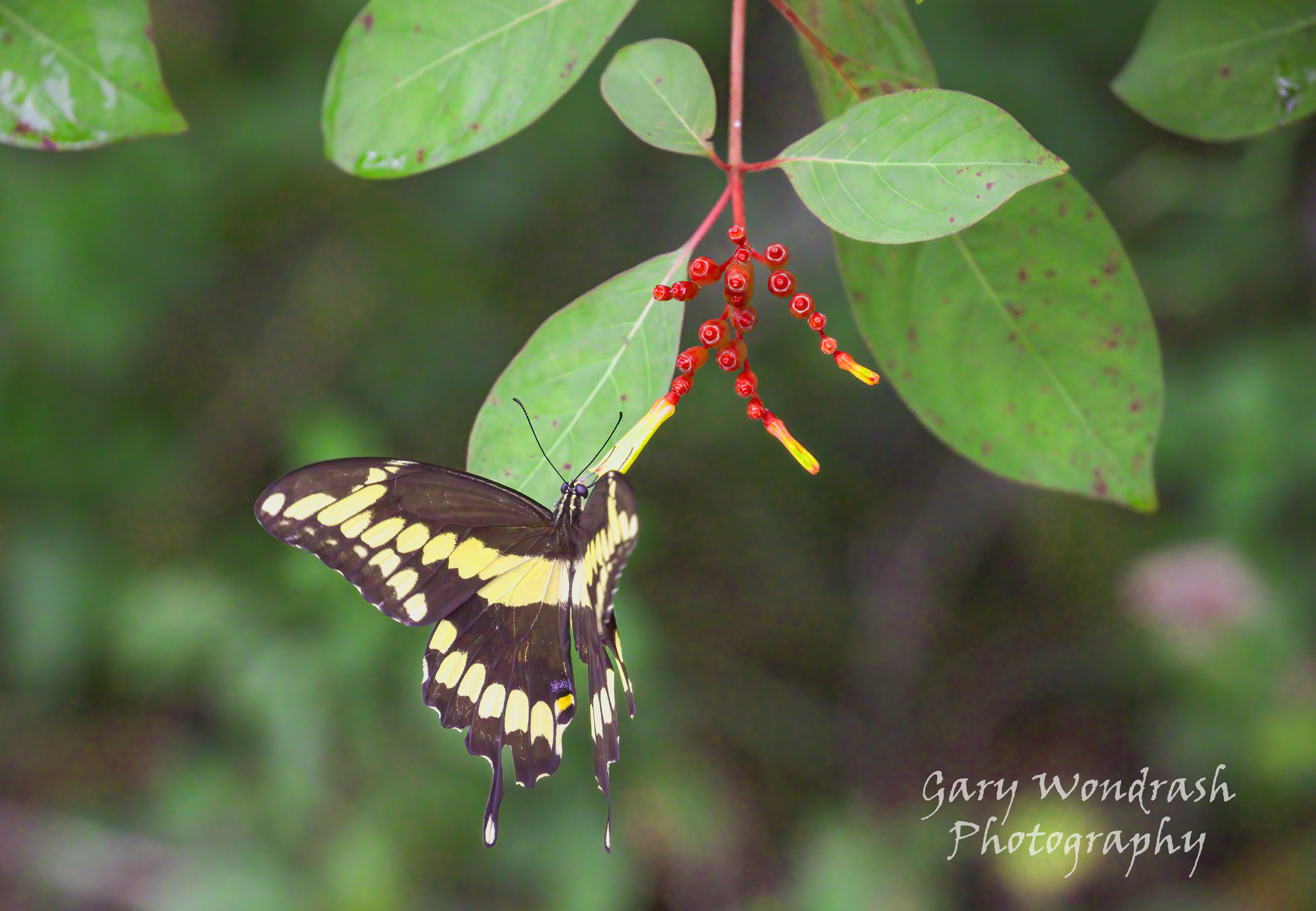
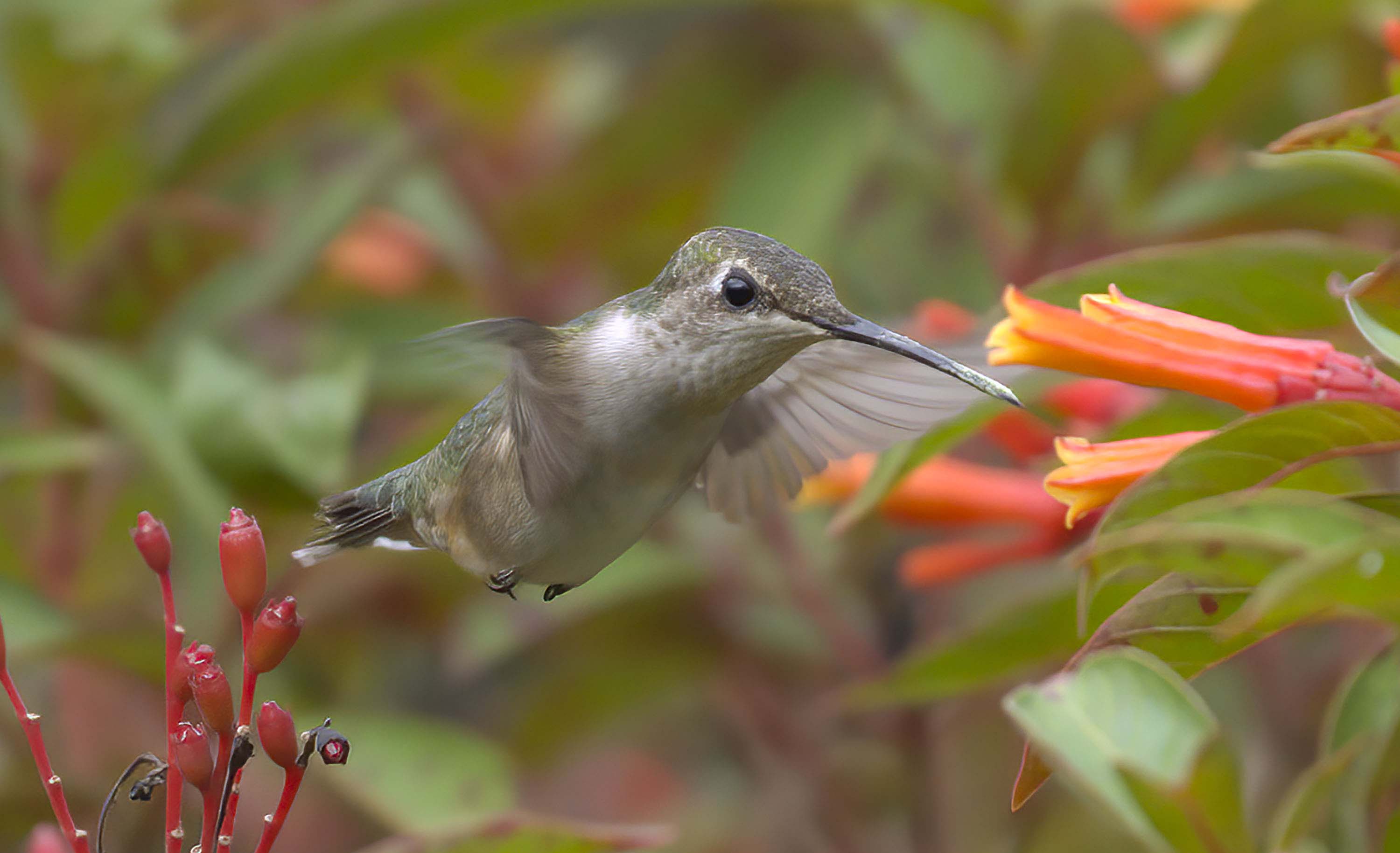
The Window by the Pond Garden is a tranquil retreat where visitors can reflect and find solace in the serene beauty of water features and blooming water lilies. Nearby, the Wild Garden showcases an assortment of native wildflowers, attracting butterflies and hummingbirds, adding an extra touch of wonder to your visit.

The Edible Garden presents a delightful blend of beauty and utility, featuring an assortment of fruits, vegetables, and herbs. You can learn about sustainable gardening practices and gather inspiration for your own garden at home.

Educational Opportunities and Cultural Enrichment: Bok Tower Gardens also offers a range of educational opportunities and cultural enrichment programs. The Visitor Center provides interactive exhibits that delve into the history of the gardens and the life and legacy of its founder, Edward W. Bok. The Pinewood Estate, a Mediterranean-style mansion located on the grounds, offers guided tours that provide insight into the estate’s rich history and architecture.

Additionally, Bok Tower Gardens hosts a variety of events and concerts throughout the year, including the annual Sunset & Symphony series, which combines live music with the backdrop of a stunning Florida sunset. These events create a vibrant atmosphere and allow visitors to engage with the arts while surrounded by the beauty of nature.

Bok Tower Gardens in Lake Wales, Florida, is an idyllic escape that captivates visitors with its stunning landscapes, awe-inspiring architecture, and diverse botanical wonders. Whether you seek a peaceful sanctuary for relaxation, a place to explore the marvels of nature, or an opportunity for cultural enrichment, Bok Tower Gardens offers it all. So, if you find yourself in Central Florida,