

Nestled within the heart of Florida’s natural landscape, Circle B Bar Reserve stands as a testament to the region’s rich biodiversity and ecological significance. Among its diverse inhabitants, the barred owl and its owlets reign supreme, captivating visitors with their majestic presence and endearing family dynamics. There is a unique relationship between the barred owl and owlets at Circle B Bar Reserve, highlighting their role in the reserve’s ecosystem and the conservation efforts aimed at ensuring their continued existence.
Circle B Bar Reserve provides an ideal habitat for the barred owl, with its extensive wetlands, oak hammocks, and abundant prey species. These adaptable birds of prey thrive in the reserve’s diverse landscape, utilizing its resources to establish territories, build nests, and raise their young. Their haunting hoots echo through the forest, serving as a reminder of their presence and vital role in maintaining ecological balance.
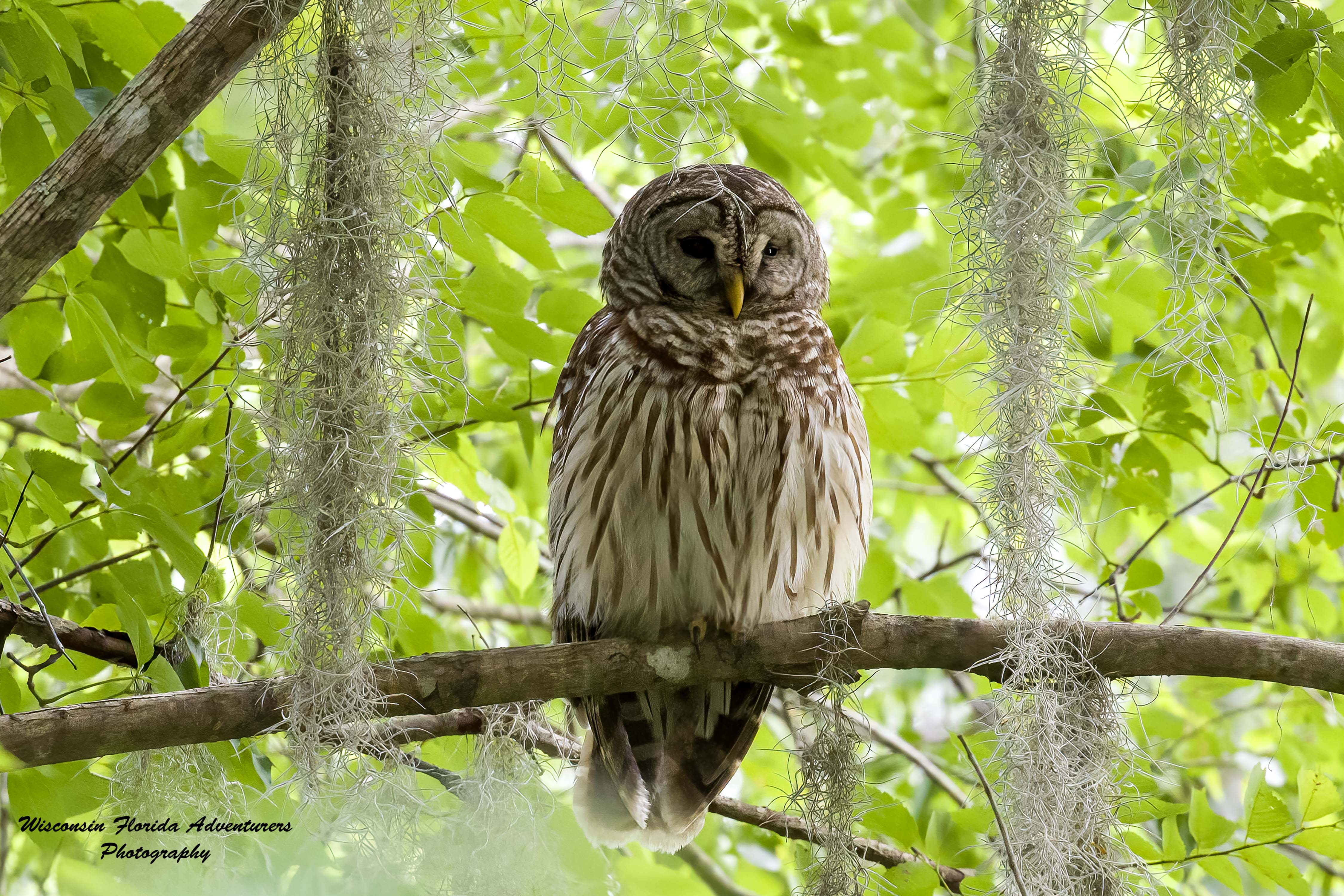
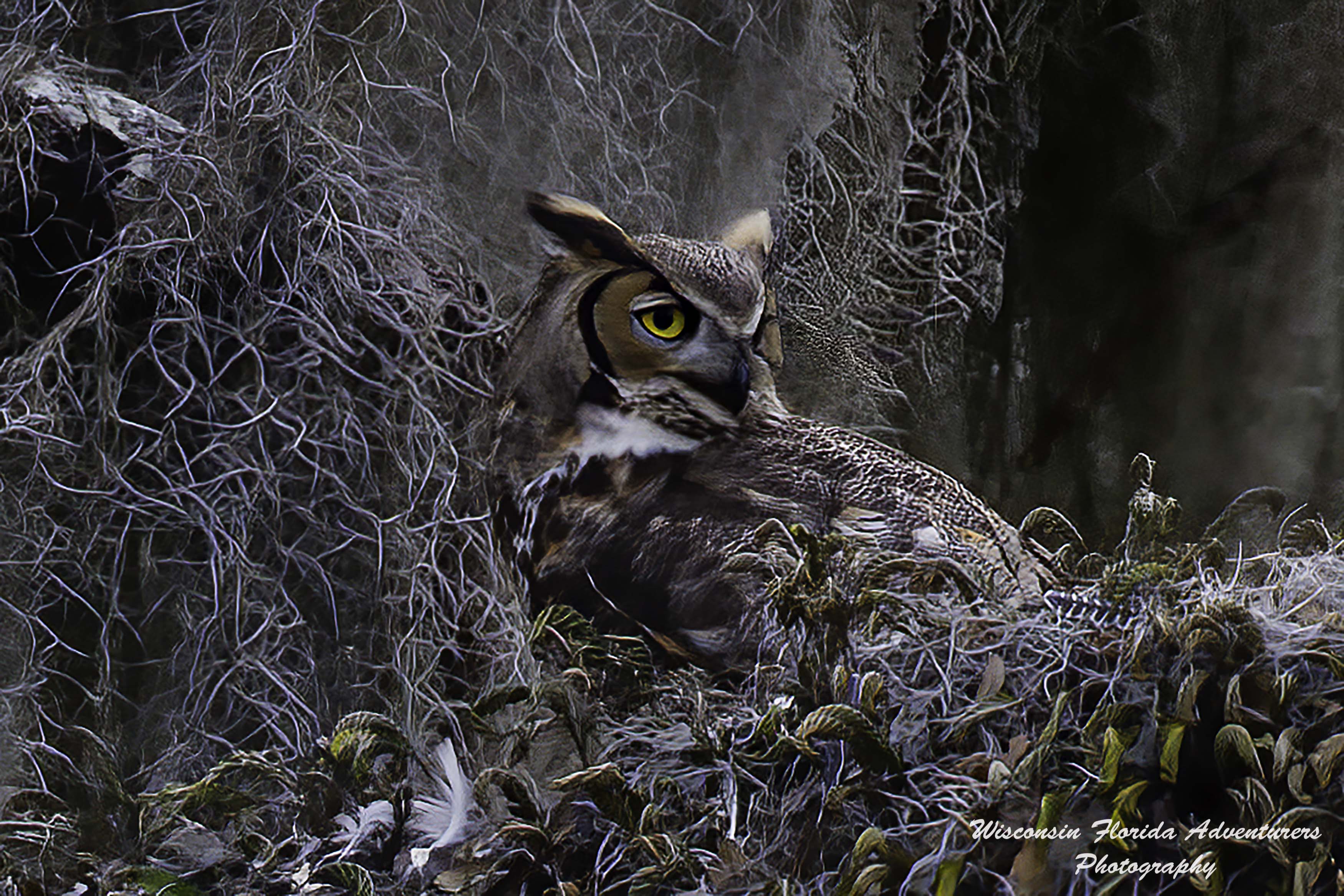
Within the tranquil confines of Circle B Bar Reserve, barred owls engage in the timeless rituals of courtship and nesting. During the breeding season, which typically occurs from February to May, pairs of barred owls engage in elaborate displays of affection, including duets of hoots and mutual preening. Once a suitable nest site is selected, often a hollow tree cavity or abandoned hawk nest, the female lays 2-4 eggs, which she diligently incubates while the male provides food.
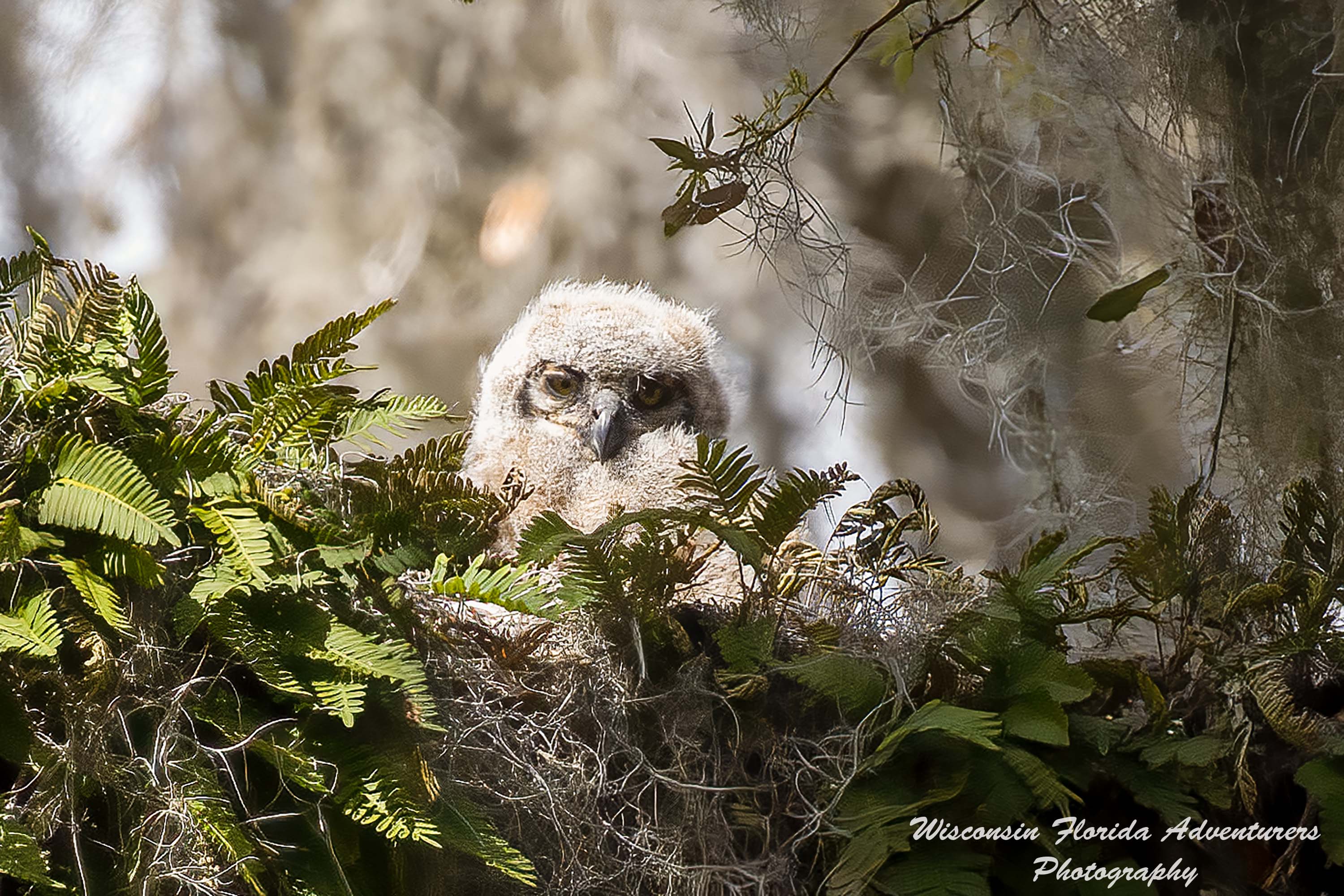
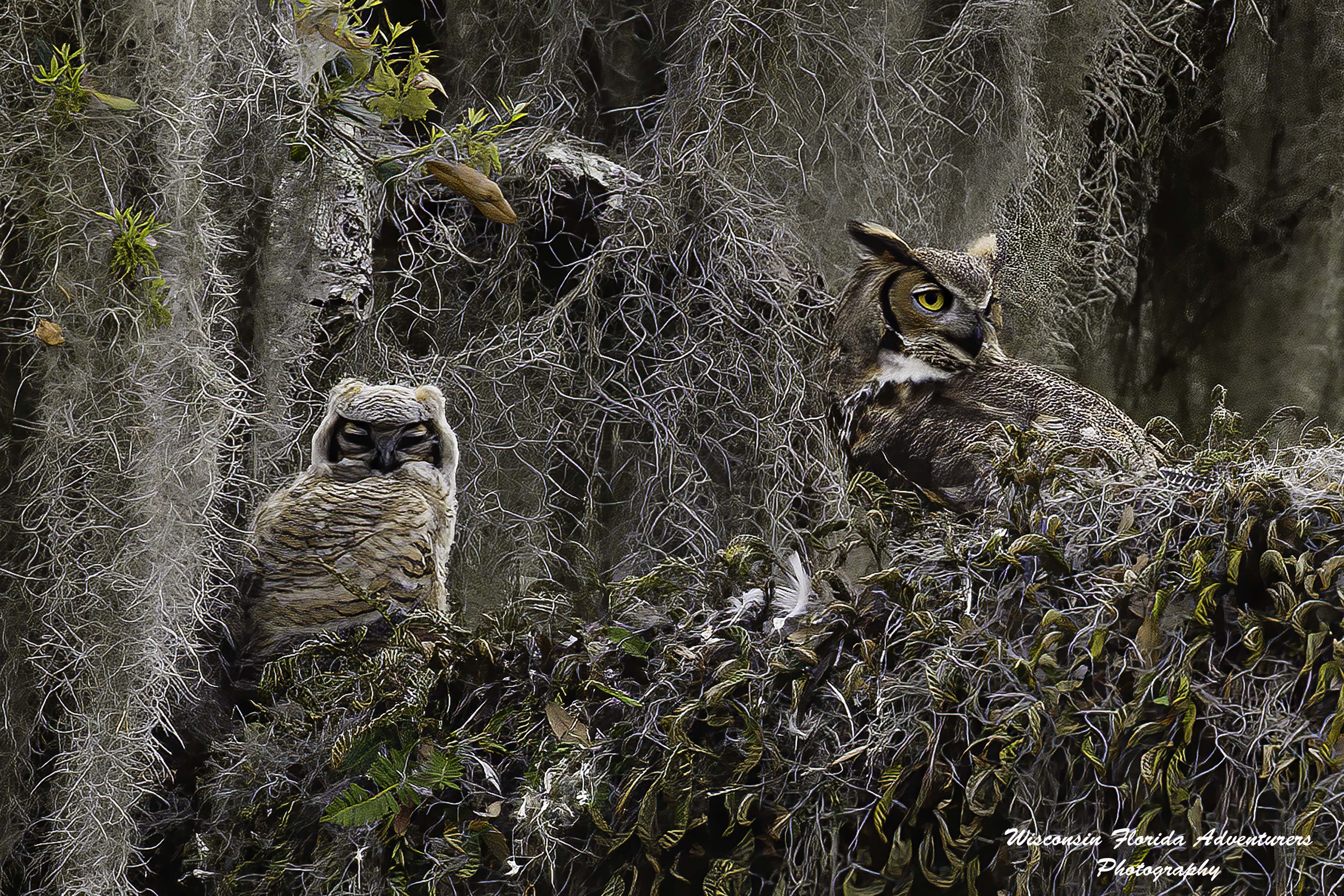
The arrival of owlets marks an exciting occasion in the lives of barred owl parents as well as visitors to Circle B Bar Reserve. With the hatching of their offspring, the parents assume the role of devoted caregivers, providing warmth, protection, and nourishment to their vulnerable chicks. The owlets, adorned with fluffy down feathers, rely entirely on their parents for sustenance, eagerly consuming regurgitated prey items delivered with precision and care.

As the owlets grow, they embark on a journey of discovery within the confines of their nest and the surrounding habitat. Under the watchful gaze of their parents, they begin to explore their surroundings, testing their wings and developing essential skills for survival. Guided by instinct and parental guidance, they learn to recognize prey, navigate their environment, and eventually take flight into the world beyond the nest.
The barred owl and owlets of Circle B Bar Reserve serve as invaluable educational resources, offering visitors a firsthand glimpse into the wonders of avian parenthood and wildlife conservation. Visitors gain a deeper appreciation for the interconnectedness of all living things and the importance of preserving natural habitats for future generations.

Despite the sanctuary provided by Circle B Bar Reserve, barred owls and their owlets face numerous challenges and threats to their survival. Habitat loss, fragmentation, and human disturbance pose significant risks to their nesting sites and food sources. In response, conservation efforts have been initiated to mitigate these threats, including habitat restoration, invasive species management, and public outreach campaigns aimed at raising awareness about the plight of these magnificent birds.

As stewards of Circle B Bar Reserve and guardians of its natural heritage, it is our collective responsibility to ensure the continued existence of the barred owl and its owlets for generations to come. By supporting conservation efforts, fostering an appreciation for nature, and preserving critical habitat corridors, we can safeguard the sanctuary of life that thrives within the reserve’s boundaries.
In the tranquil embrace of Circle B Bar Reserve, the barred owl and its owlets stand as ambassadors of the natural world, inspiring awe and wonder in all who encounter them. Through their resilience, adaptability, and unwavering parental devotion, they embody the timeless beauty and complexity of nature, reminding us of our interconnectedness and shared responsibility to protect and preserve the fragile ecosystems that sustain us all.



 Wisconsin Florida Adventurers