In the vast kingdom of mammals, one creature stands out with its unique characteristics and intriguing lifestyle—the fruit bat, also known as the fox bat. With their distinctive appearance and ecological significance, these fascinating creatures have captured the curiosity of both scientists and nature enthusiasts alike. In this blog, we delve into the world of fruit bats/fox bats and explore their remarkable features, behavior, and ecological importance.
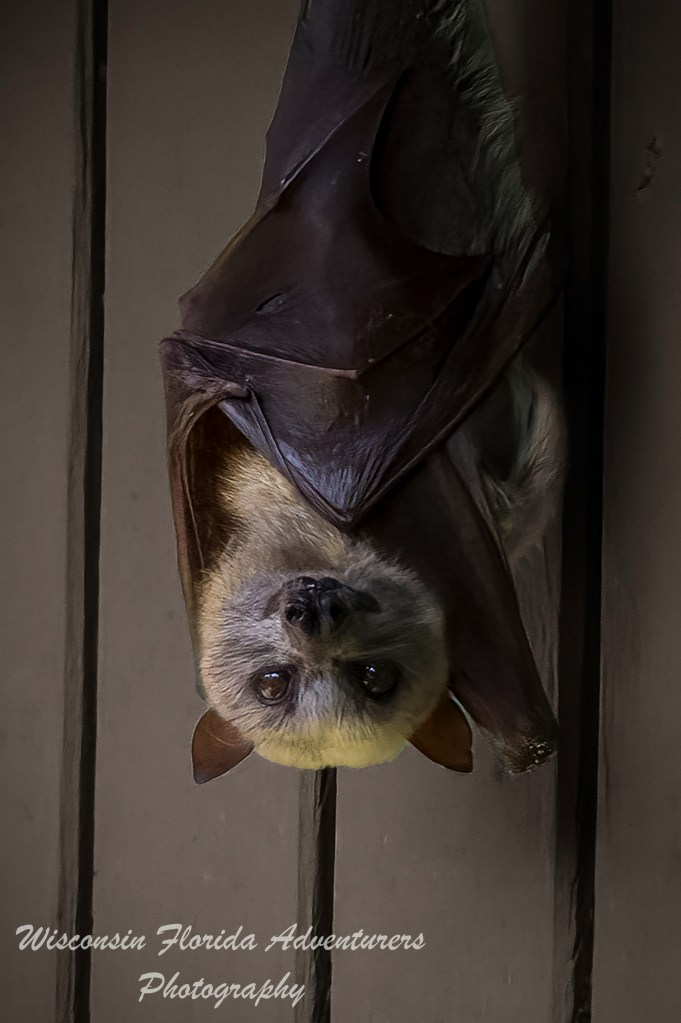
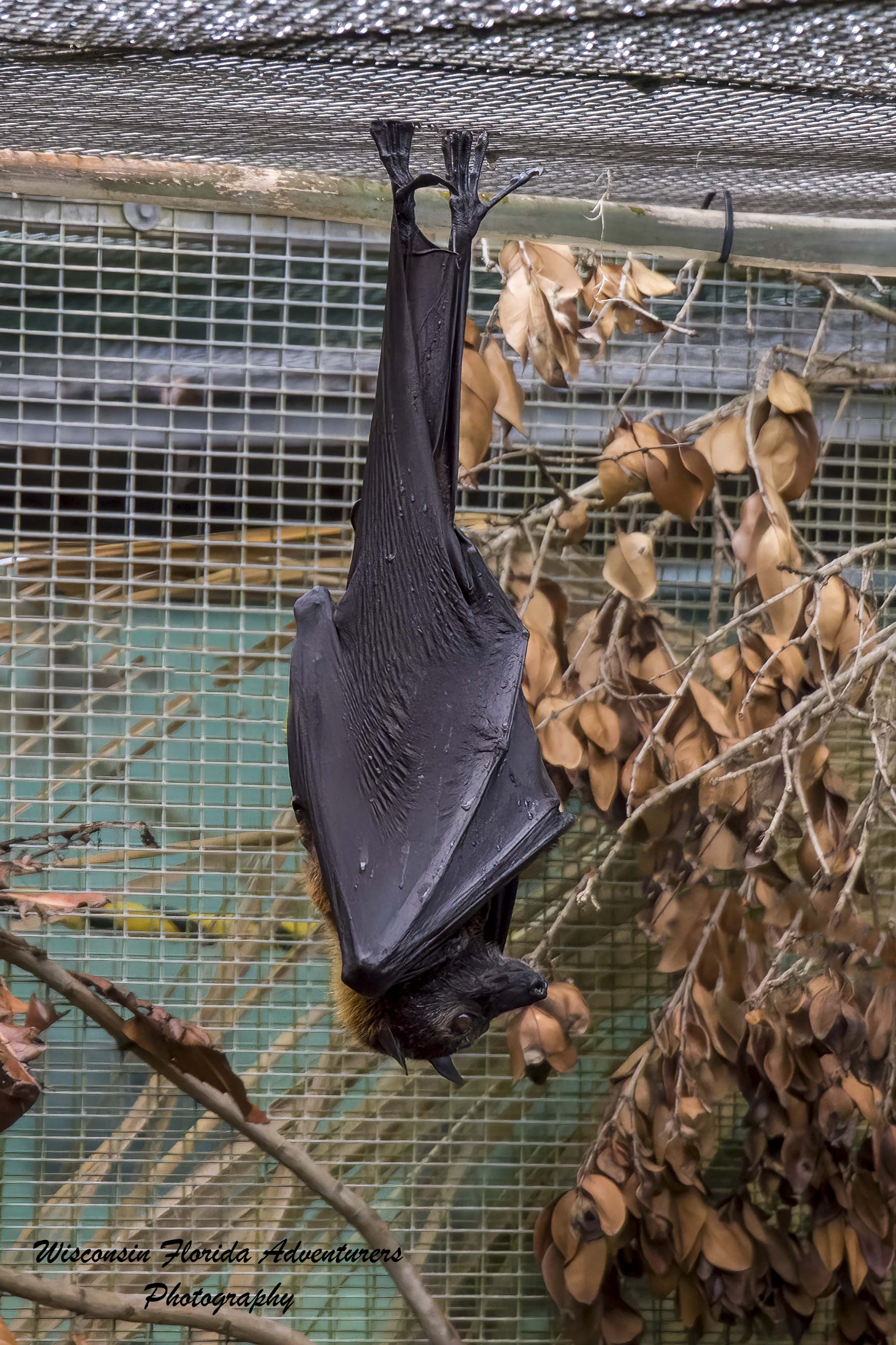
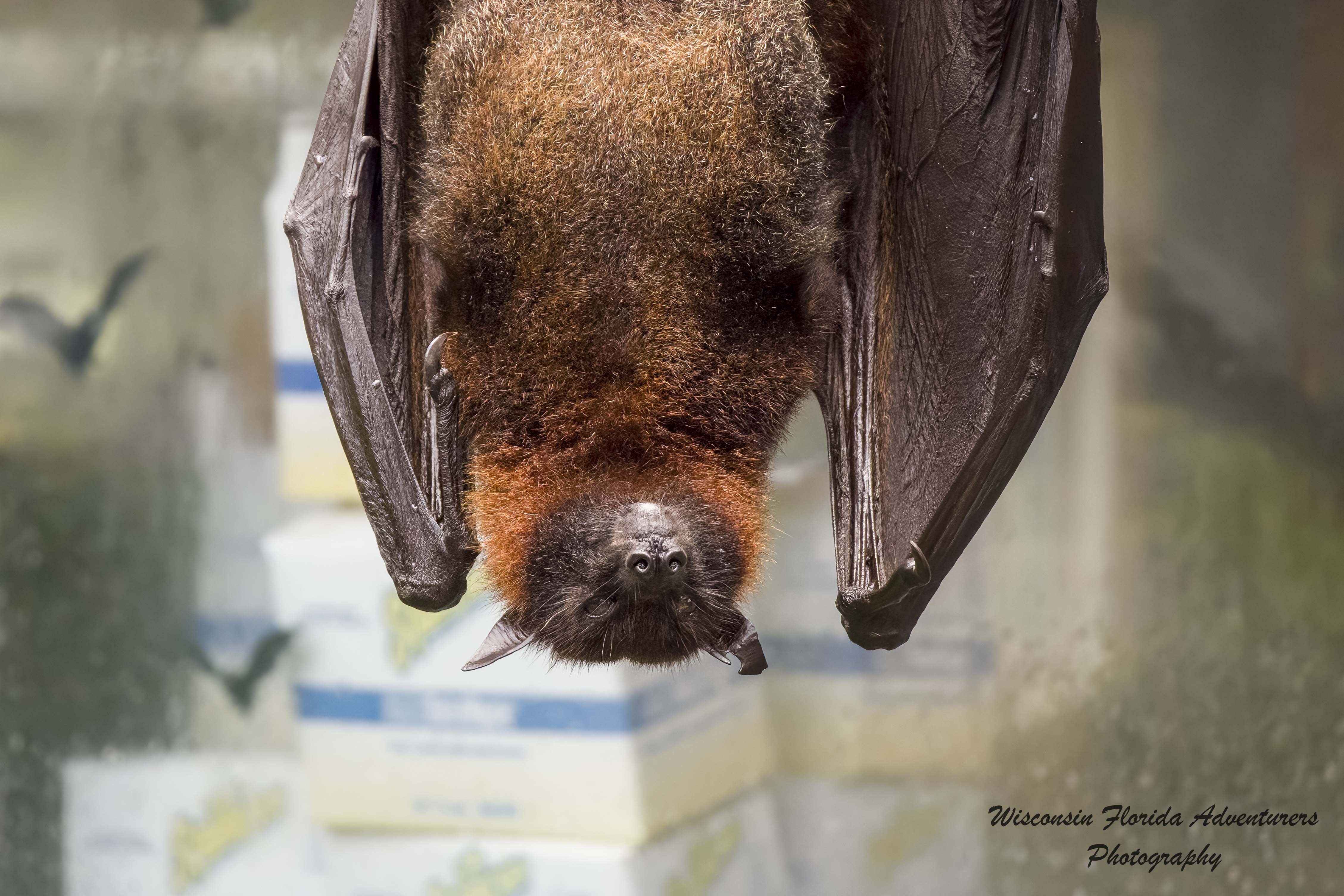
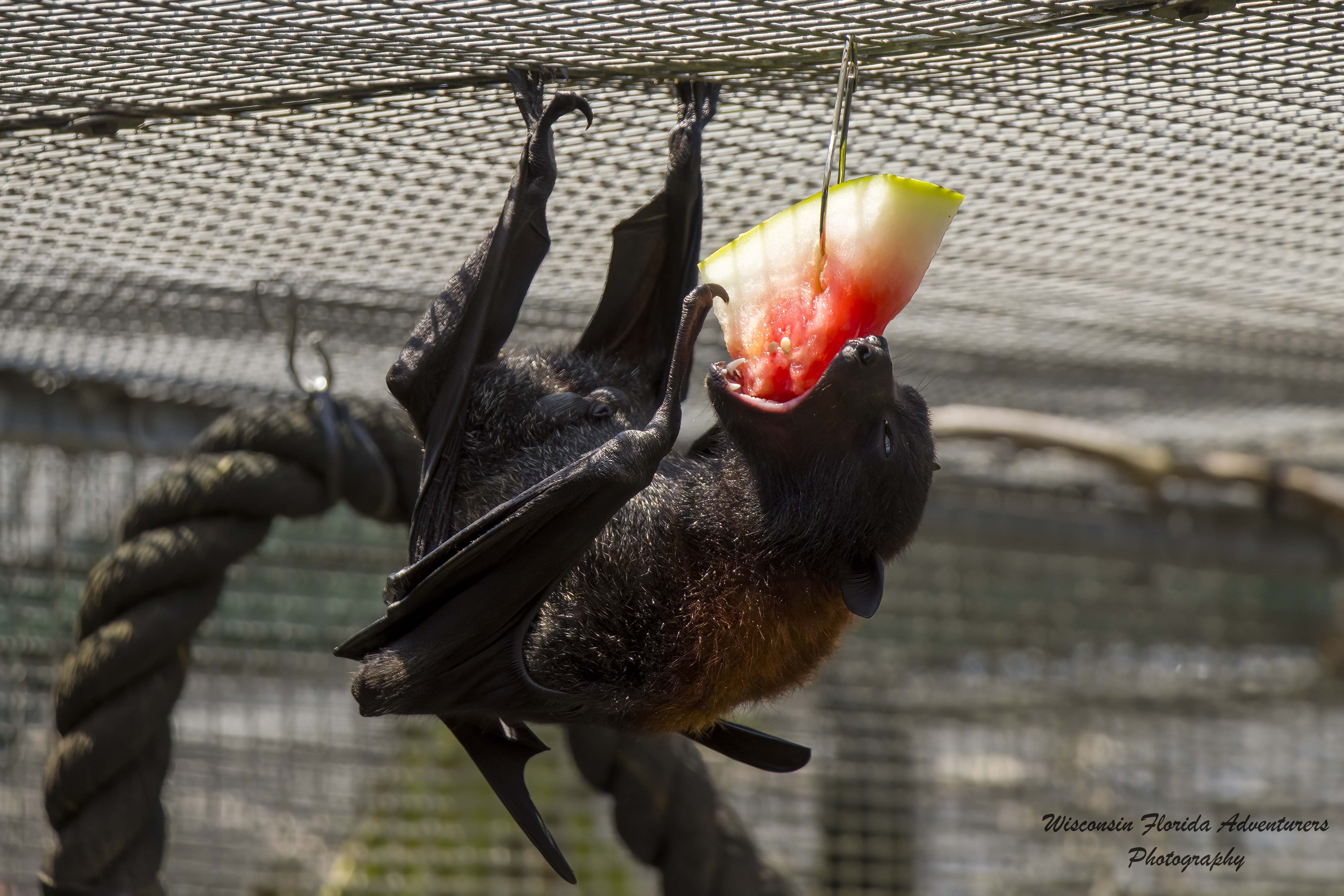
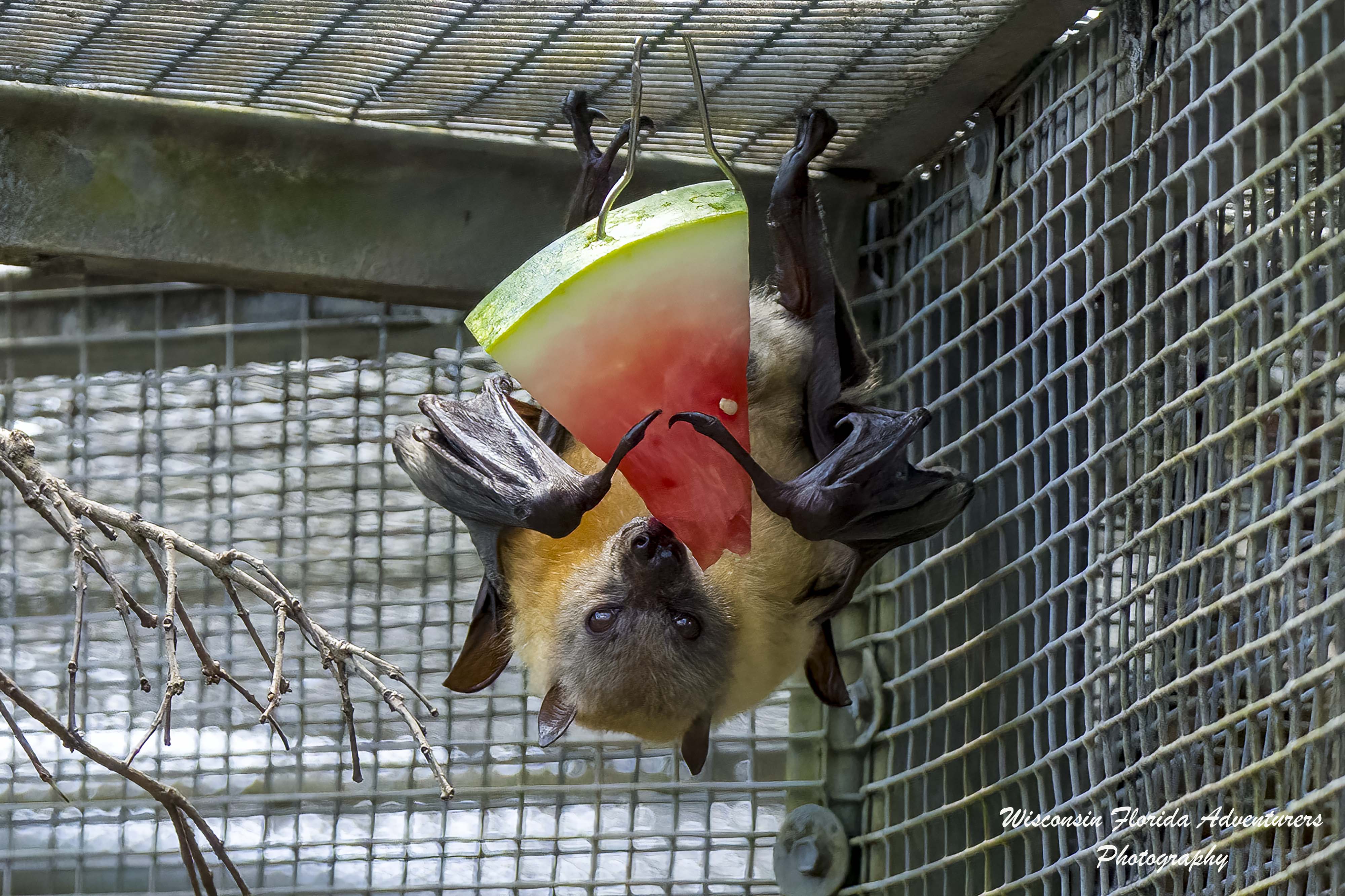
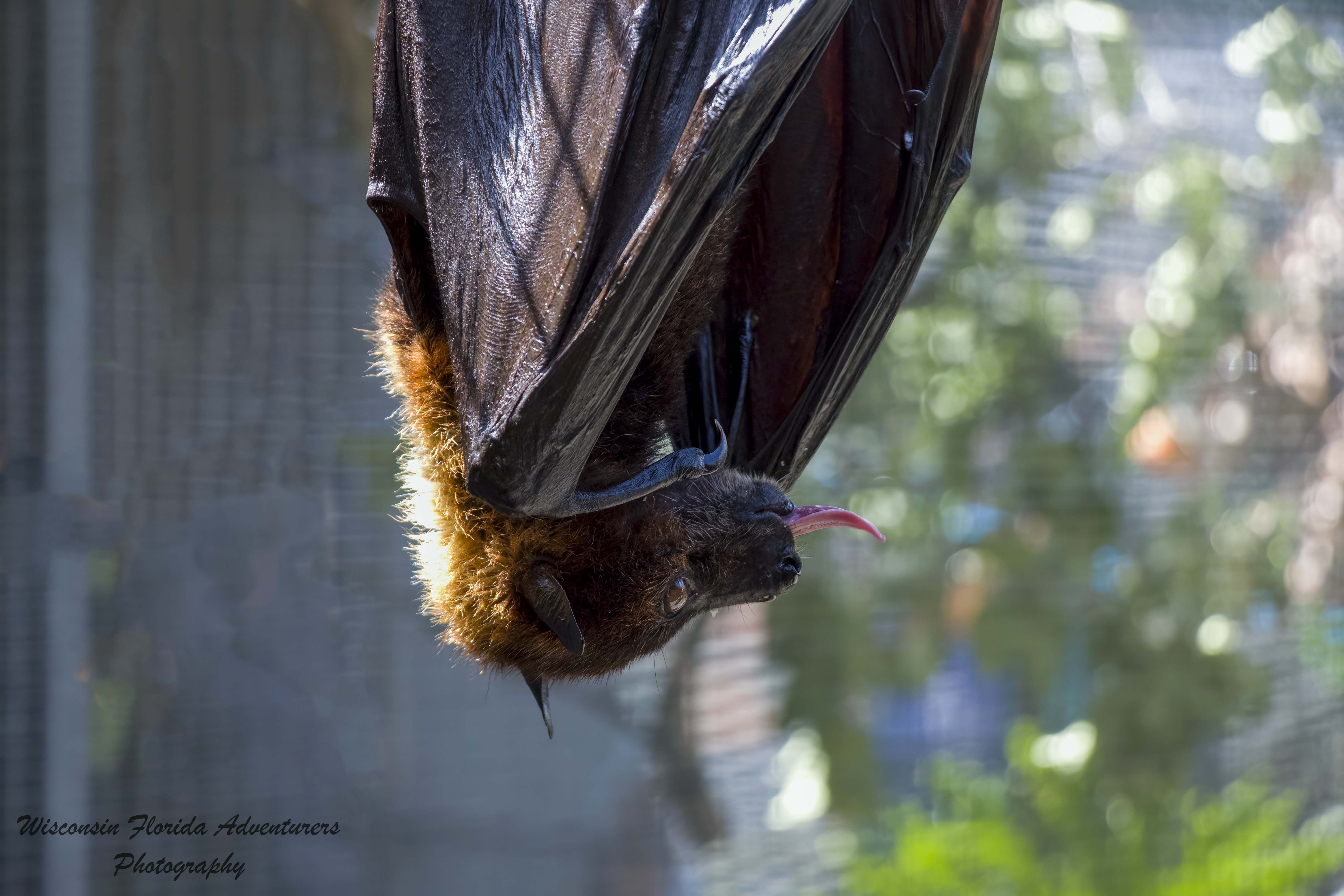
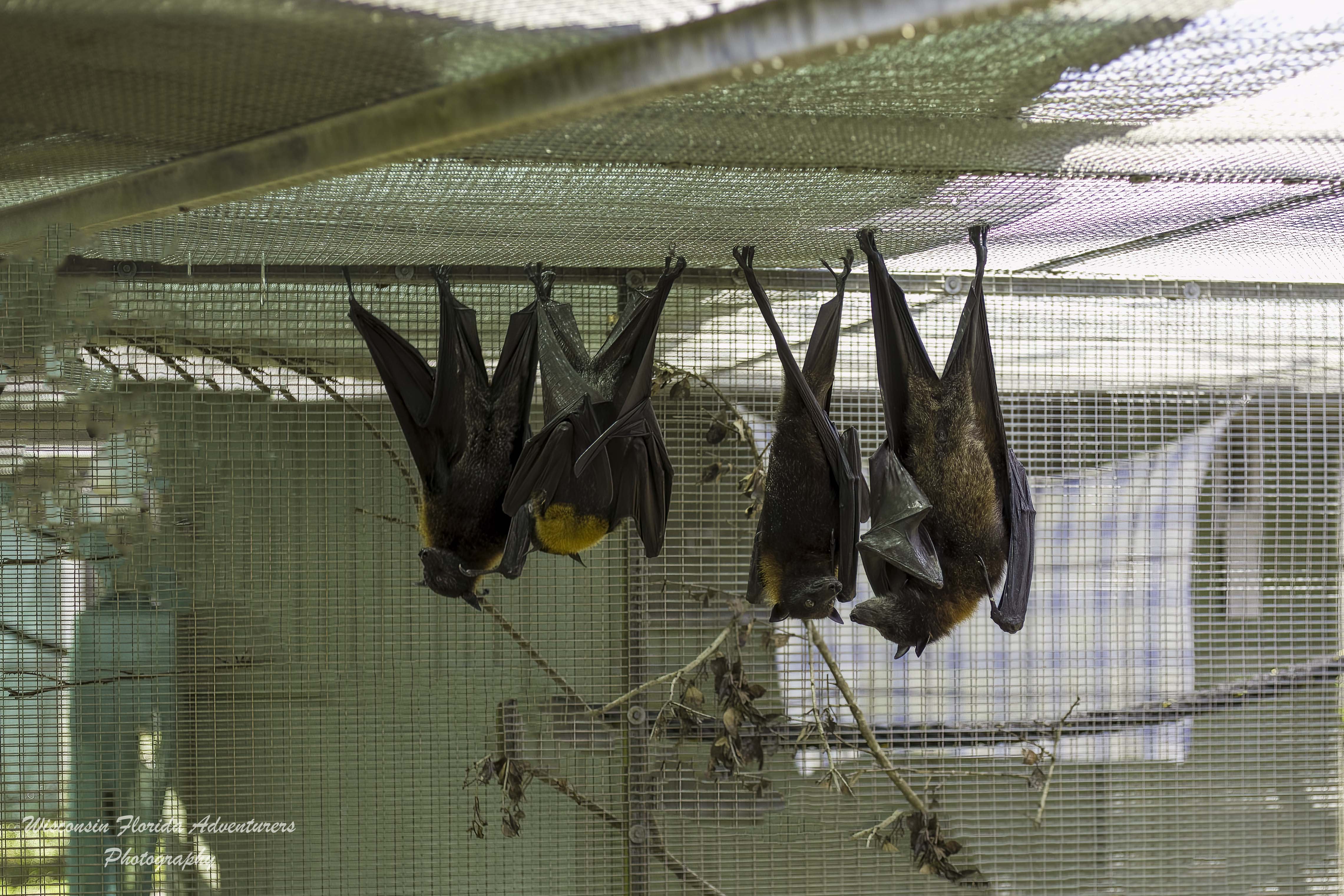
Fruit Bat/Fox Bat: This photo is for sale on WIFLAdventurers Etsy Shop. Click Here!

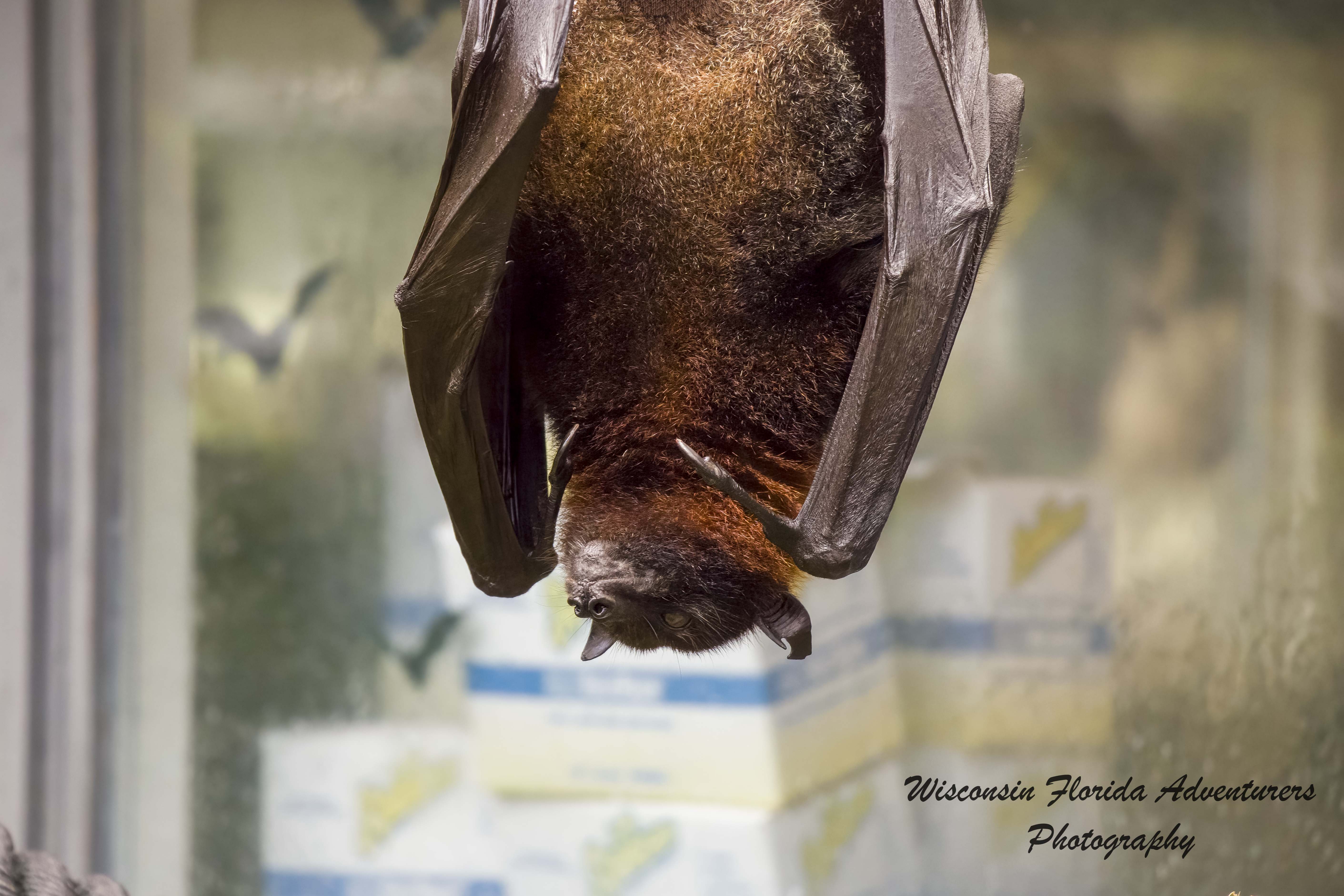
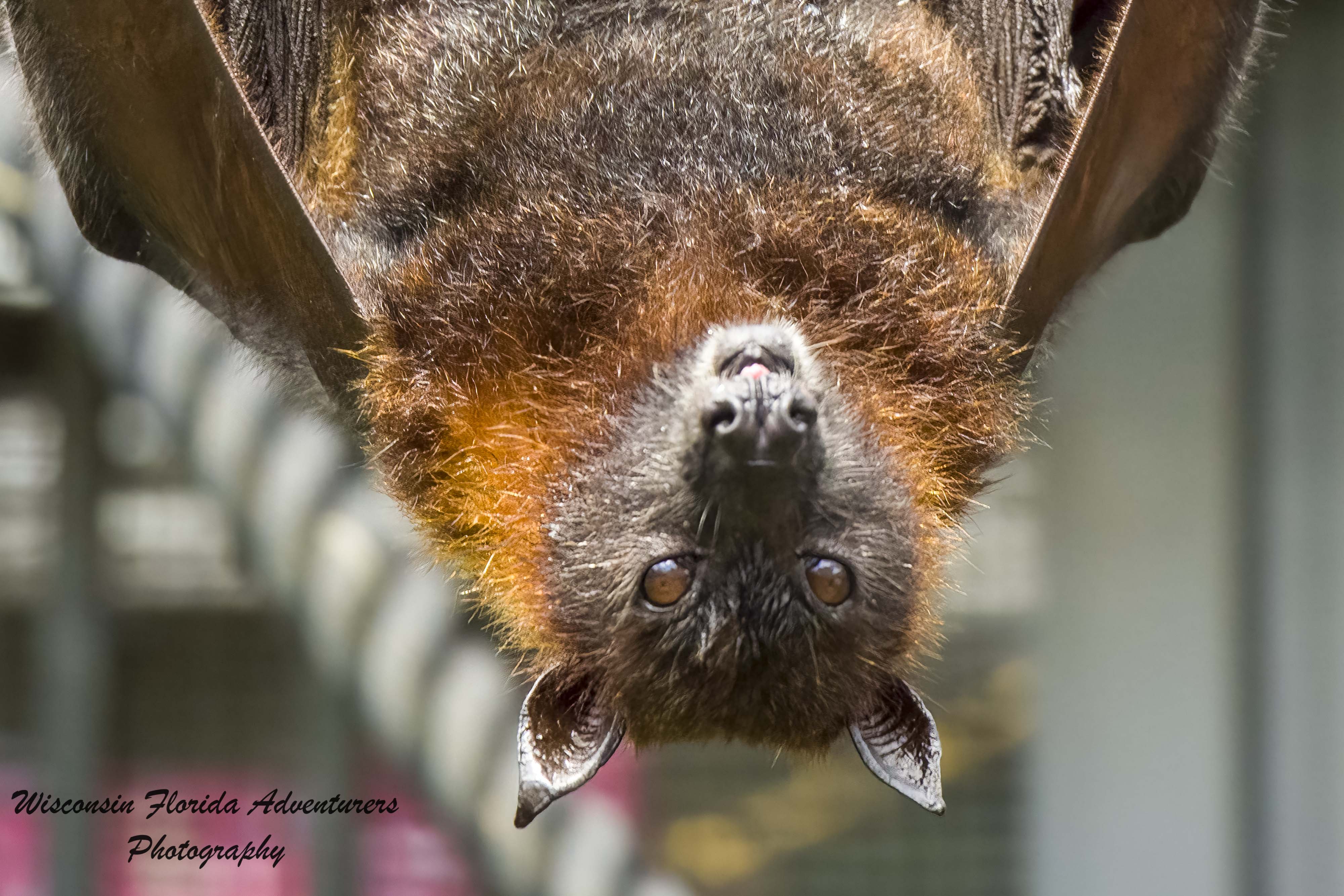
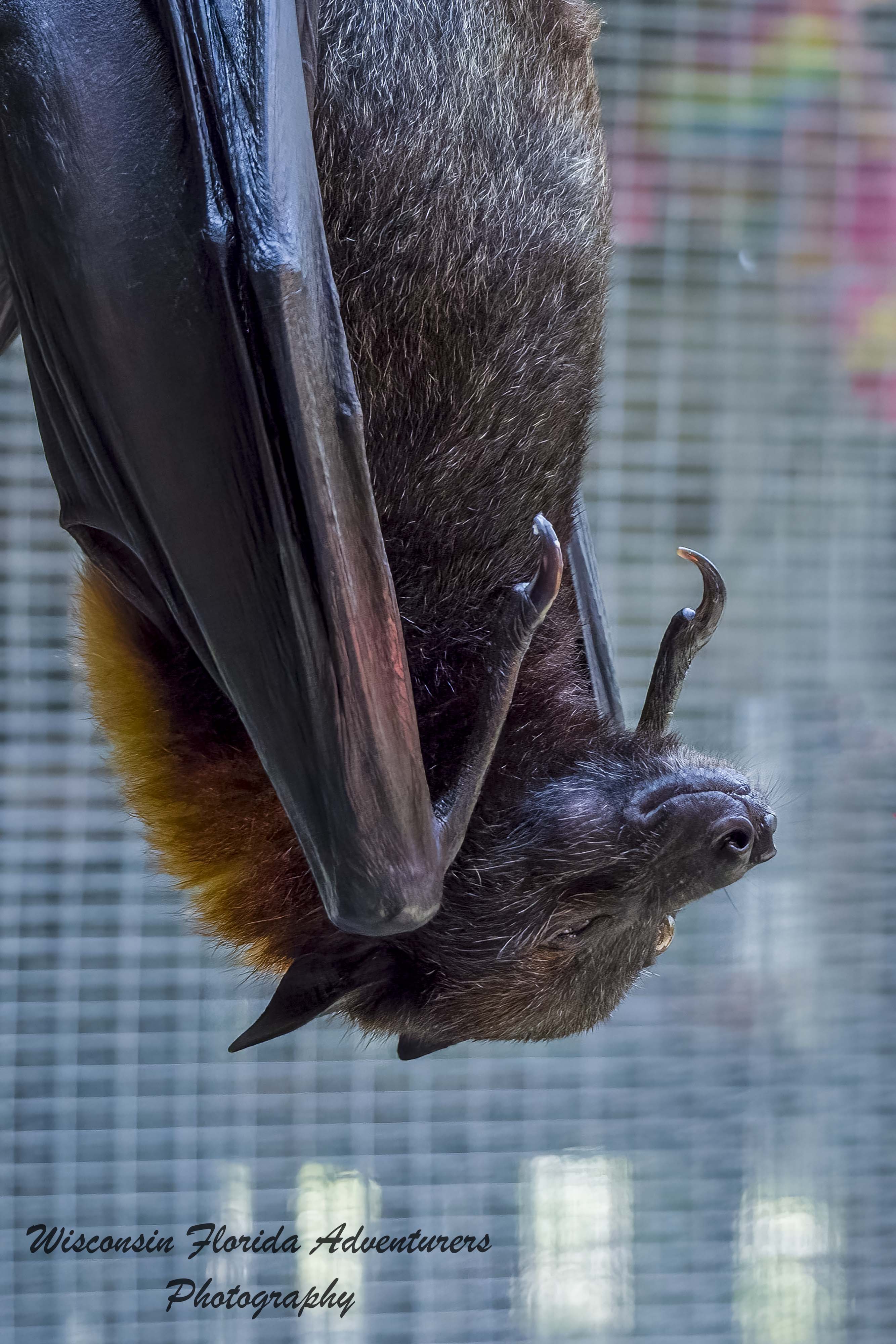
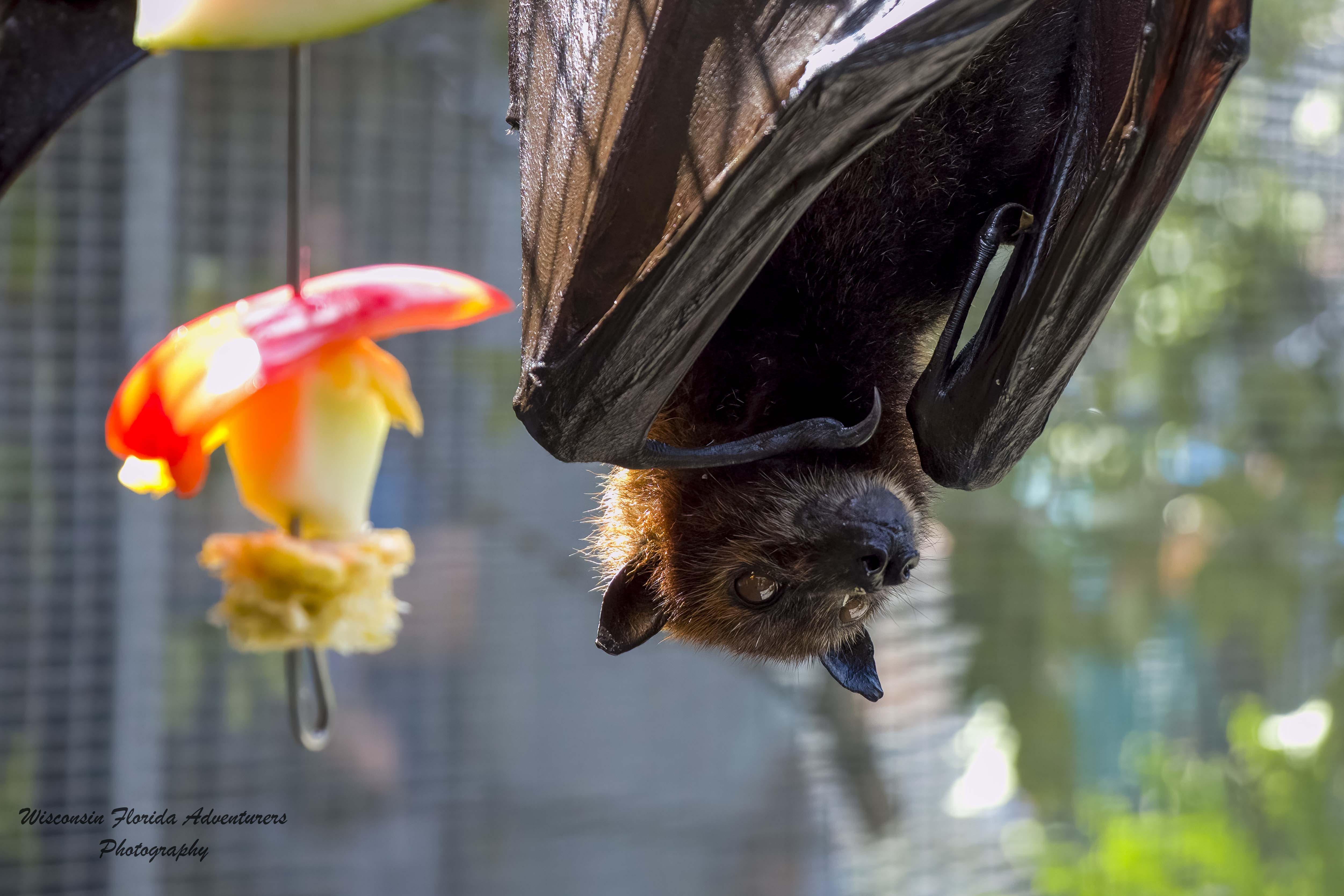
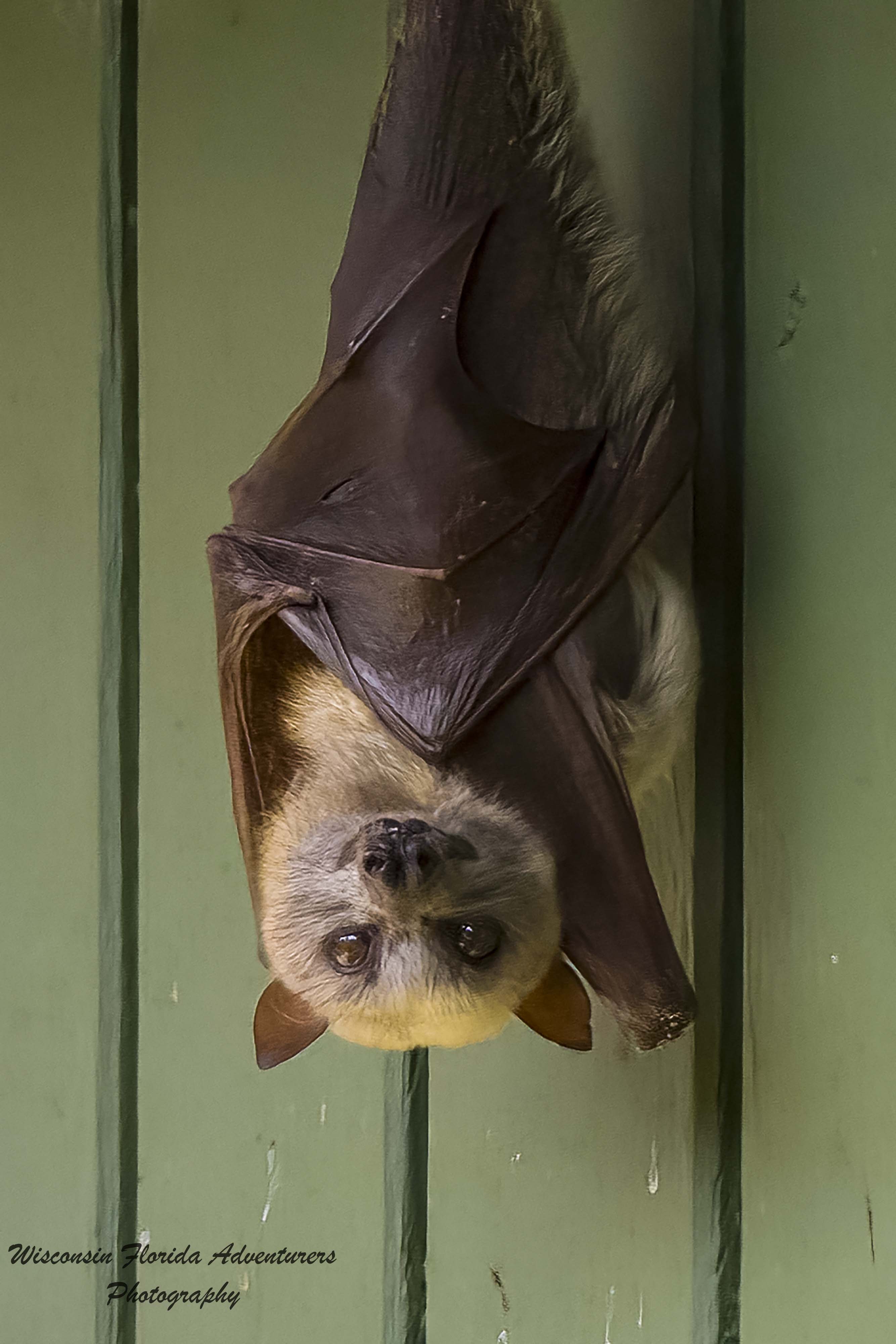
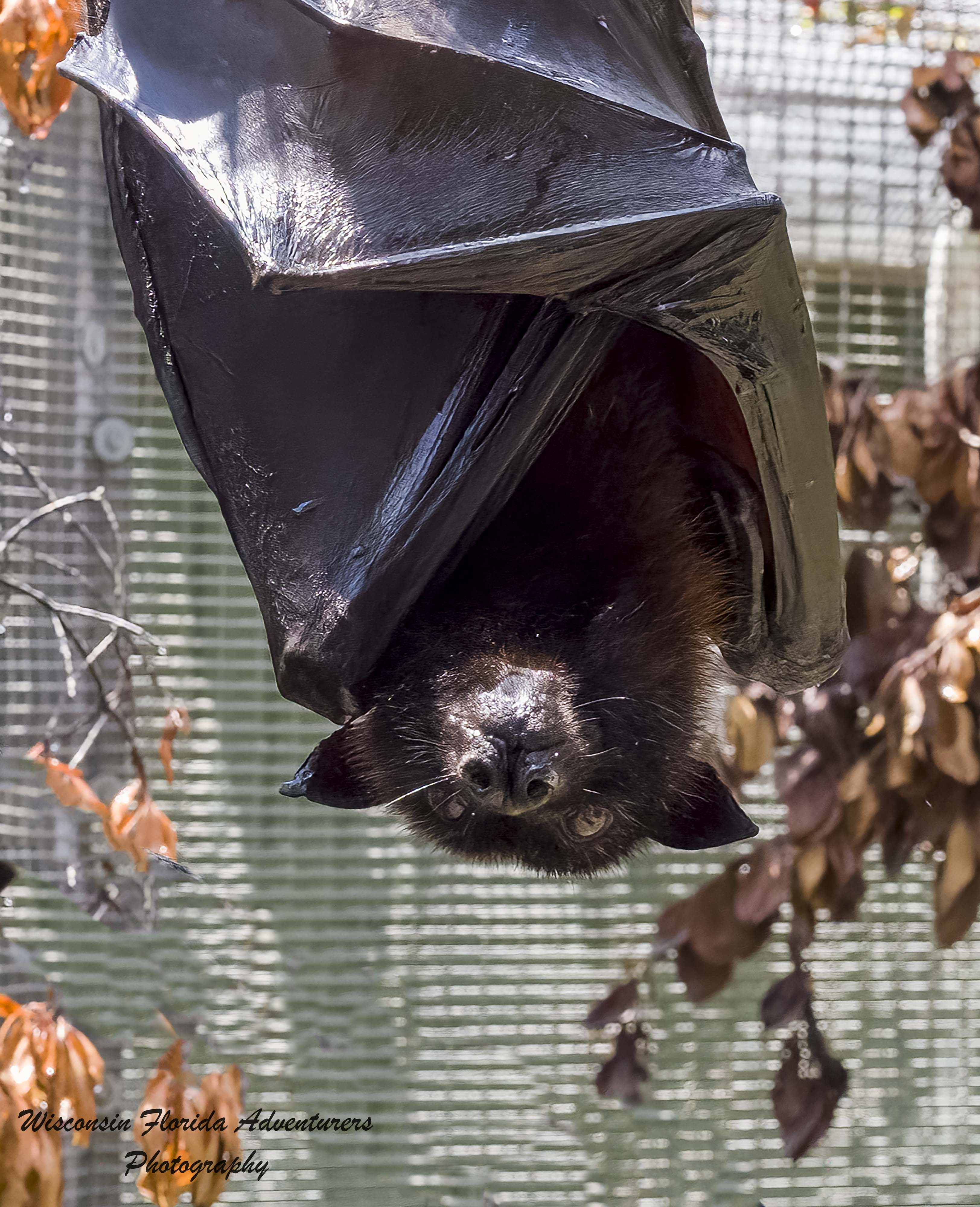
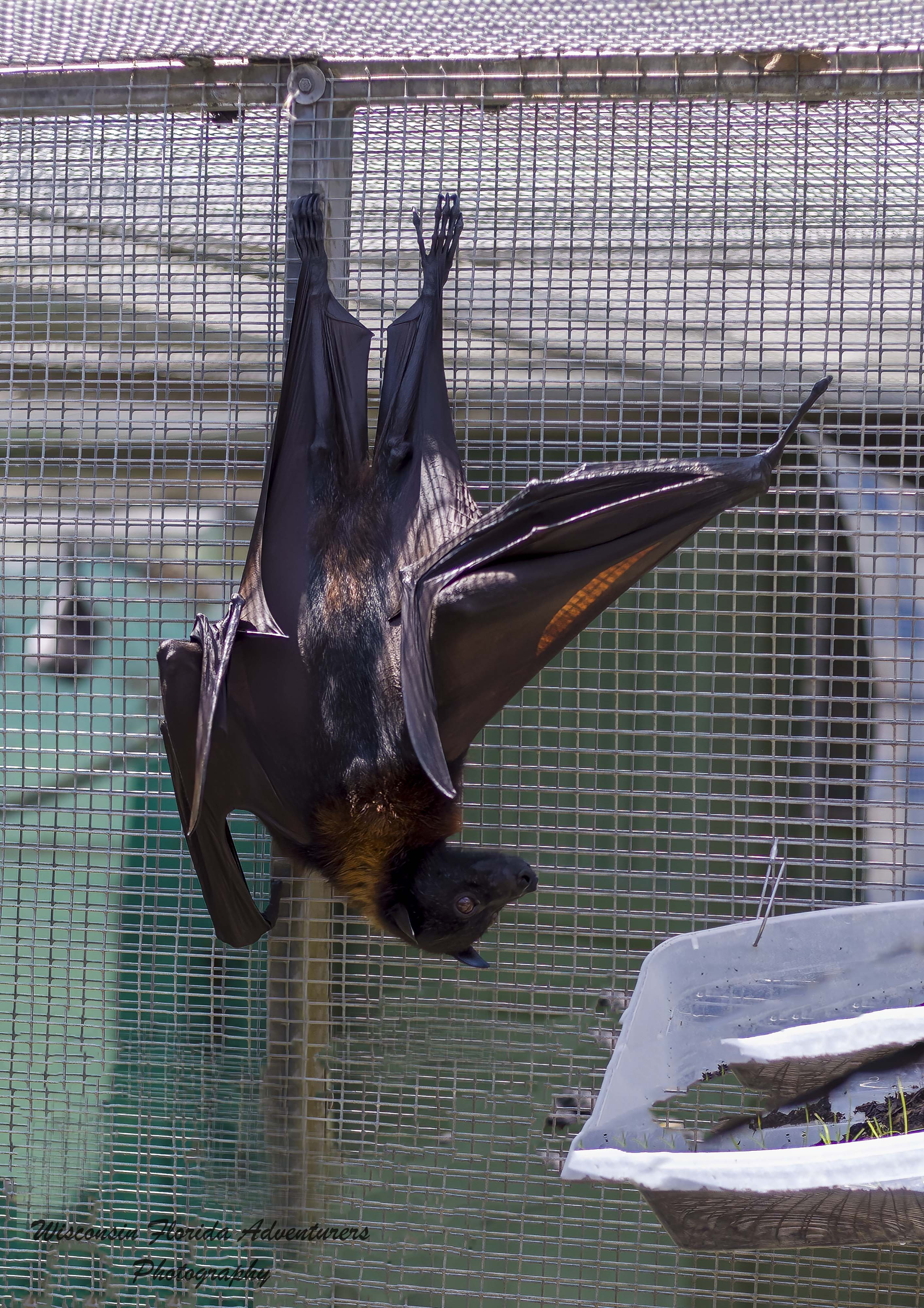
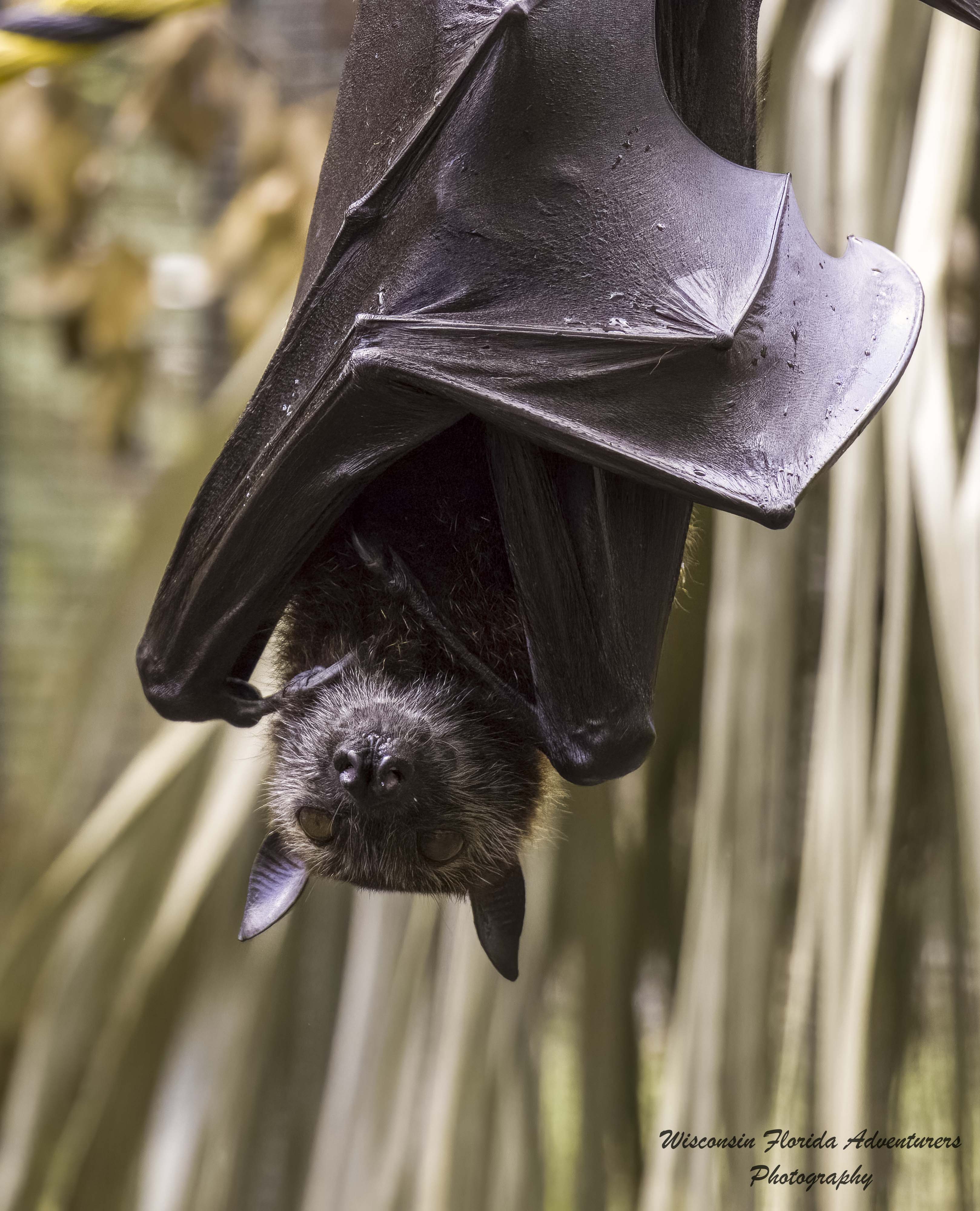
The fruit bat/fox bat is renowned for its striking appearance. They are one of the largest bat species in the world, with a wingspan that can reach up to five feet. These bats have a unique fox-like face, hence their alternate name. Their fur ranges from shades of brown to gray, camouflaging them perfectly against the trees they roost in during the day.
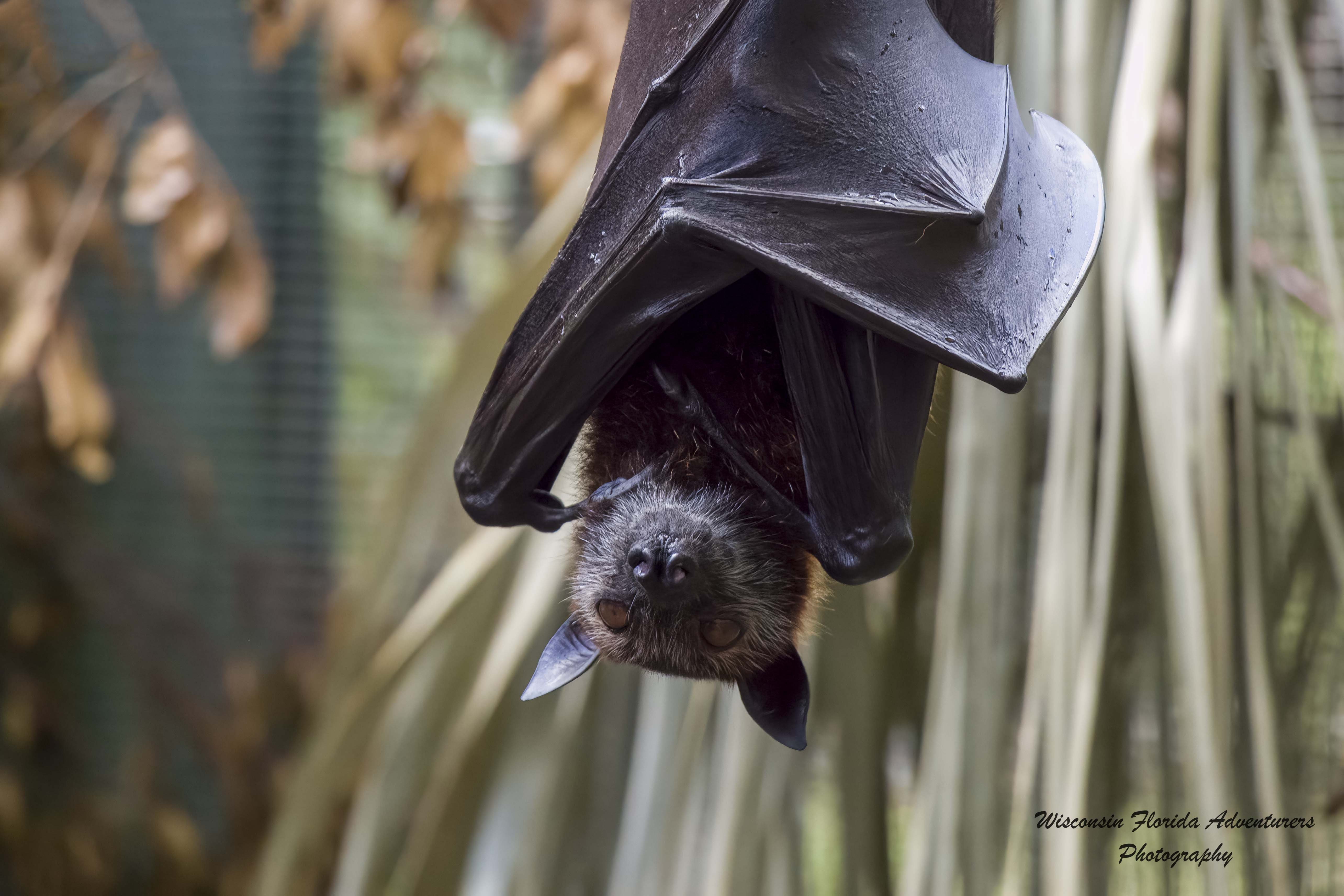
These bats possess several remarkable adaptations that enable their nocturnal lifestyle. Their wings are incredibly thin and flexible, allowing them to perform intricate maneuvers while in flight. The elongated fingers of their wings provide excellent agility, making them highly skilled flyers. Additionally, their elongated snout and large eyes aid in efficient navigation and the detection of food sources.
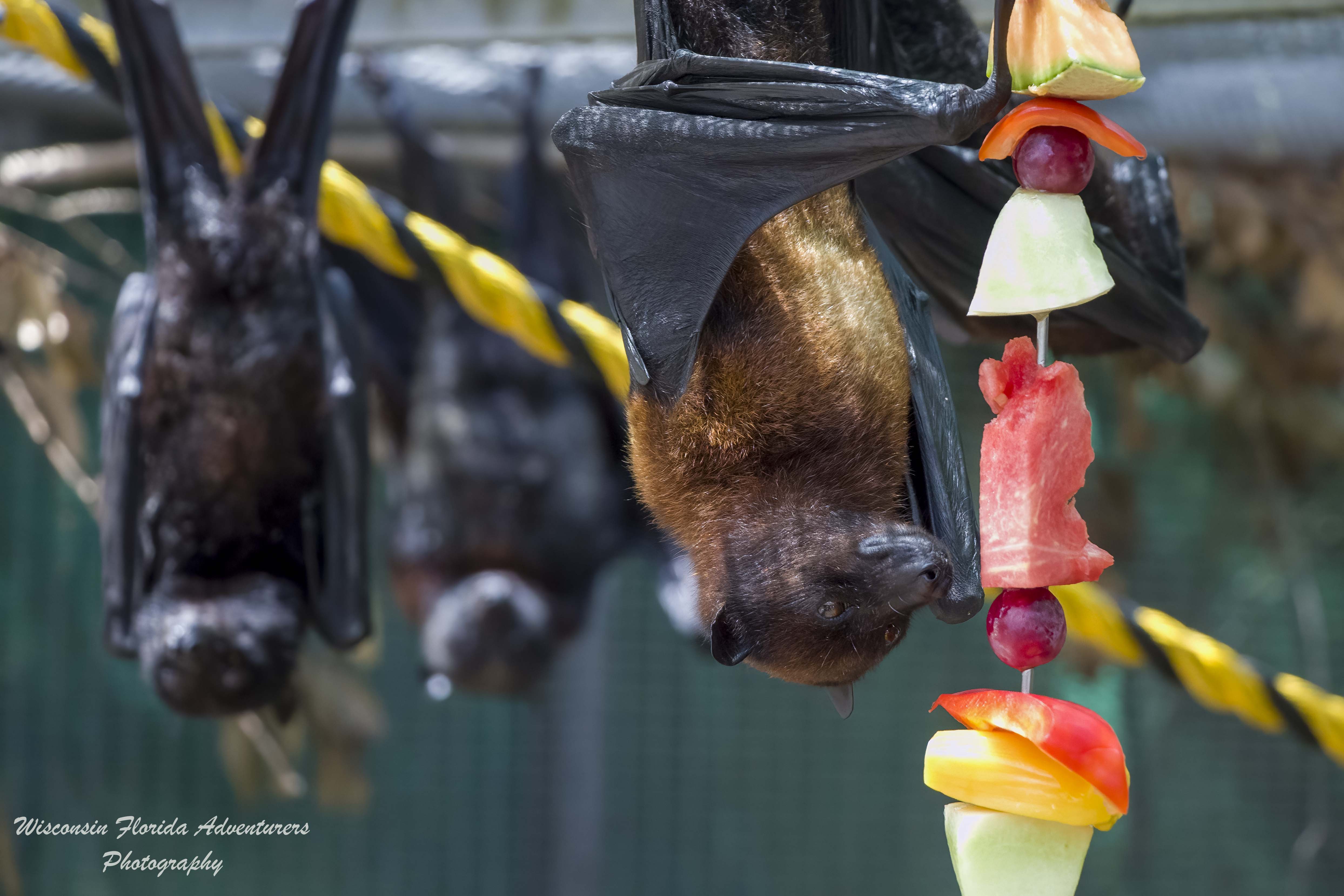
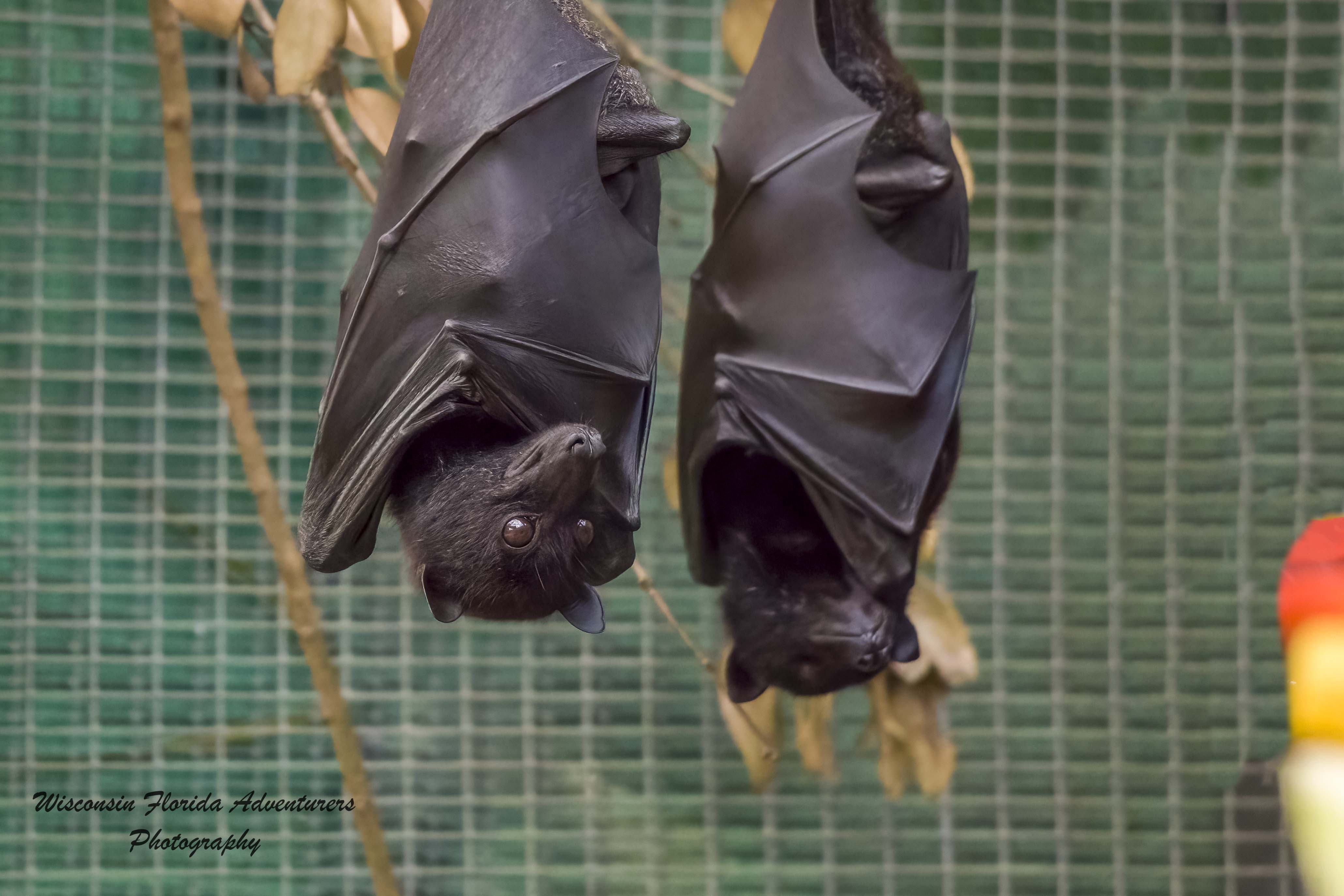
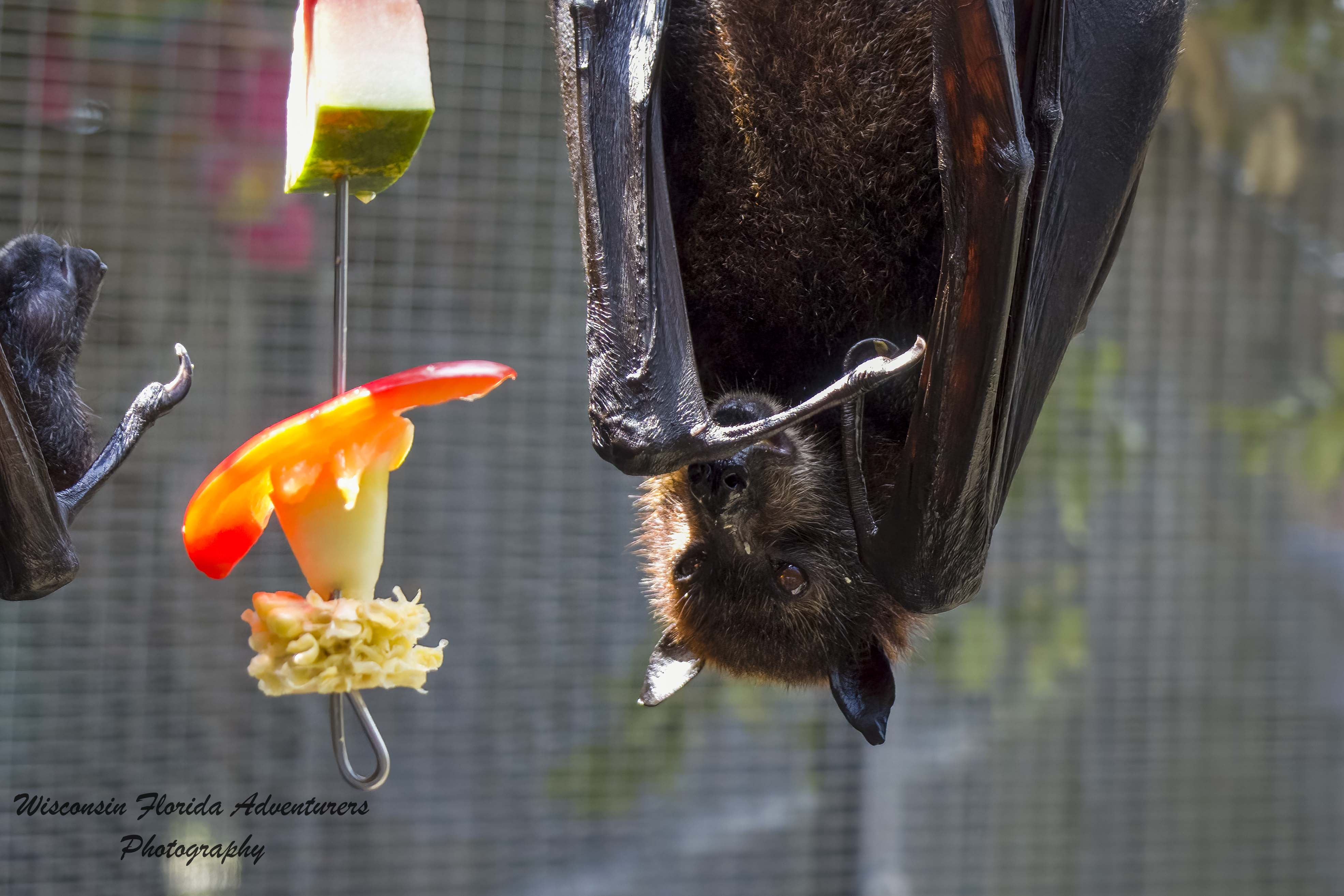
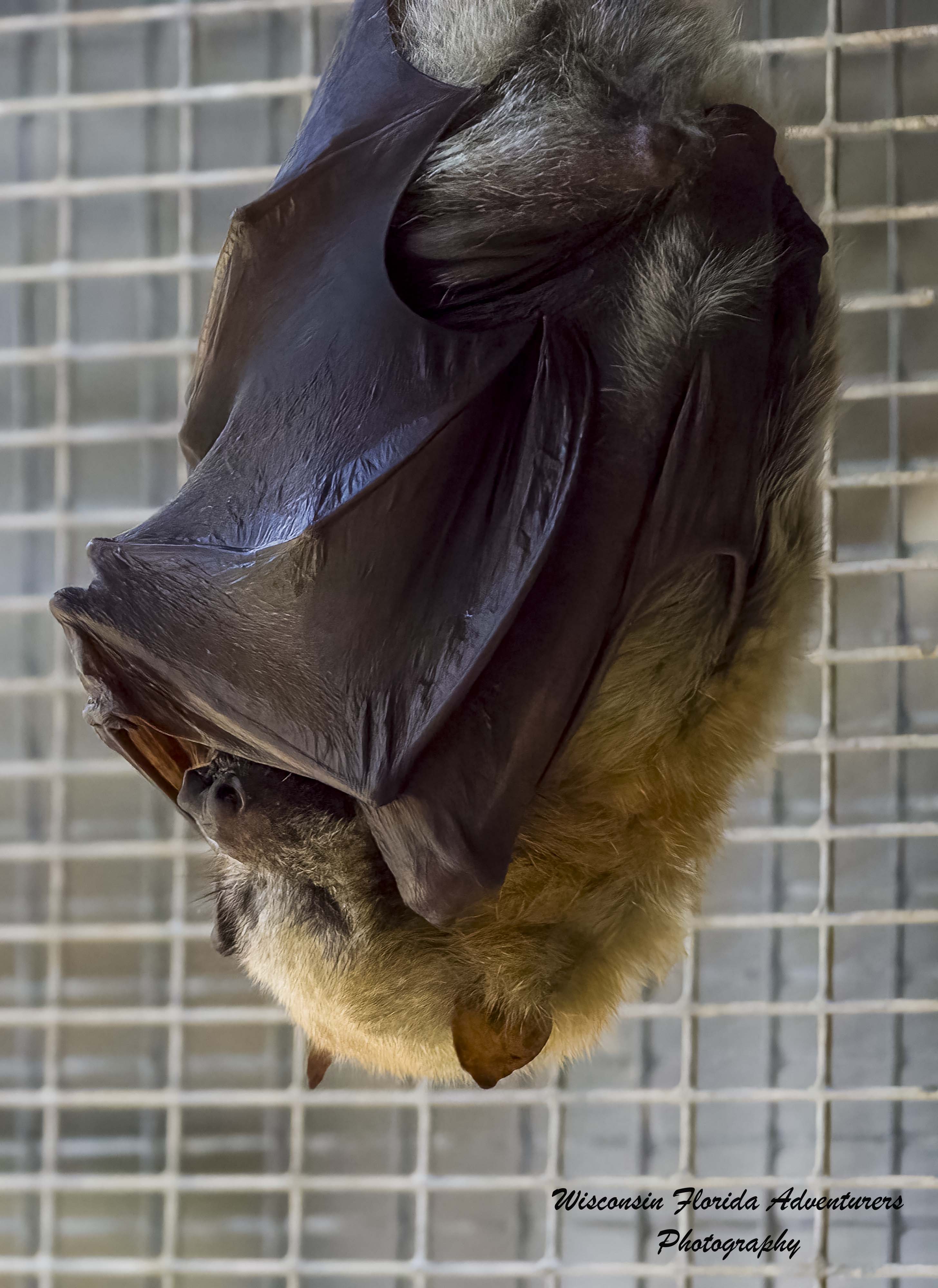
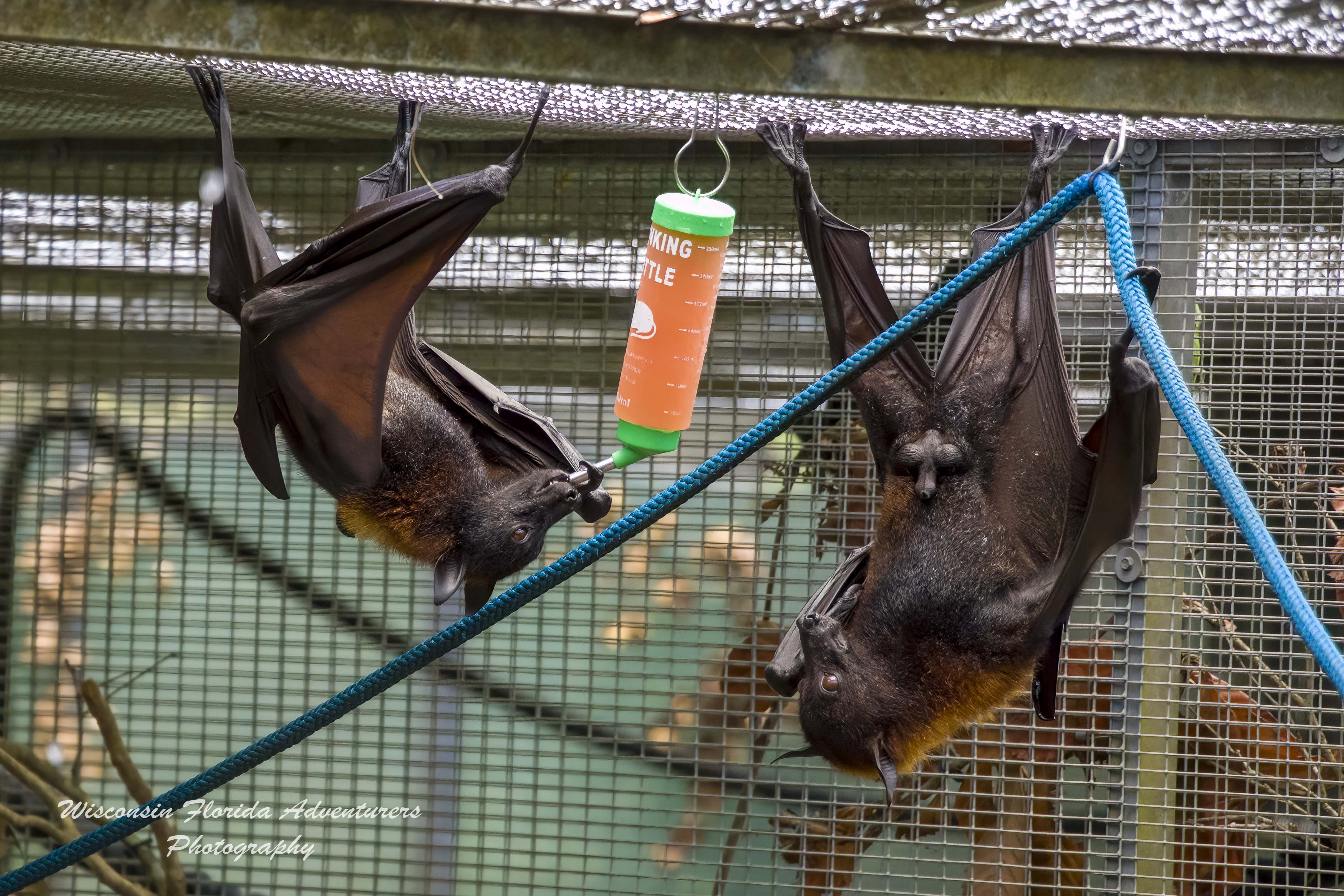
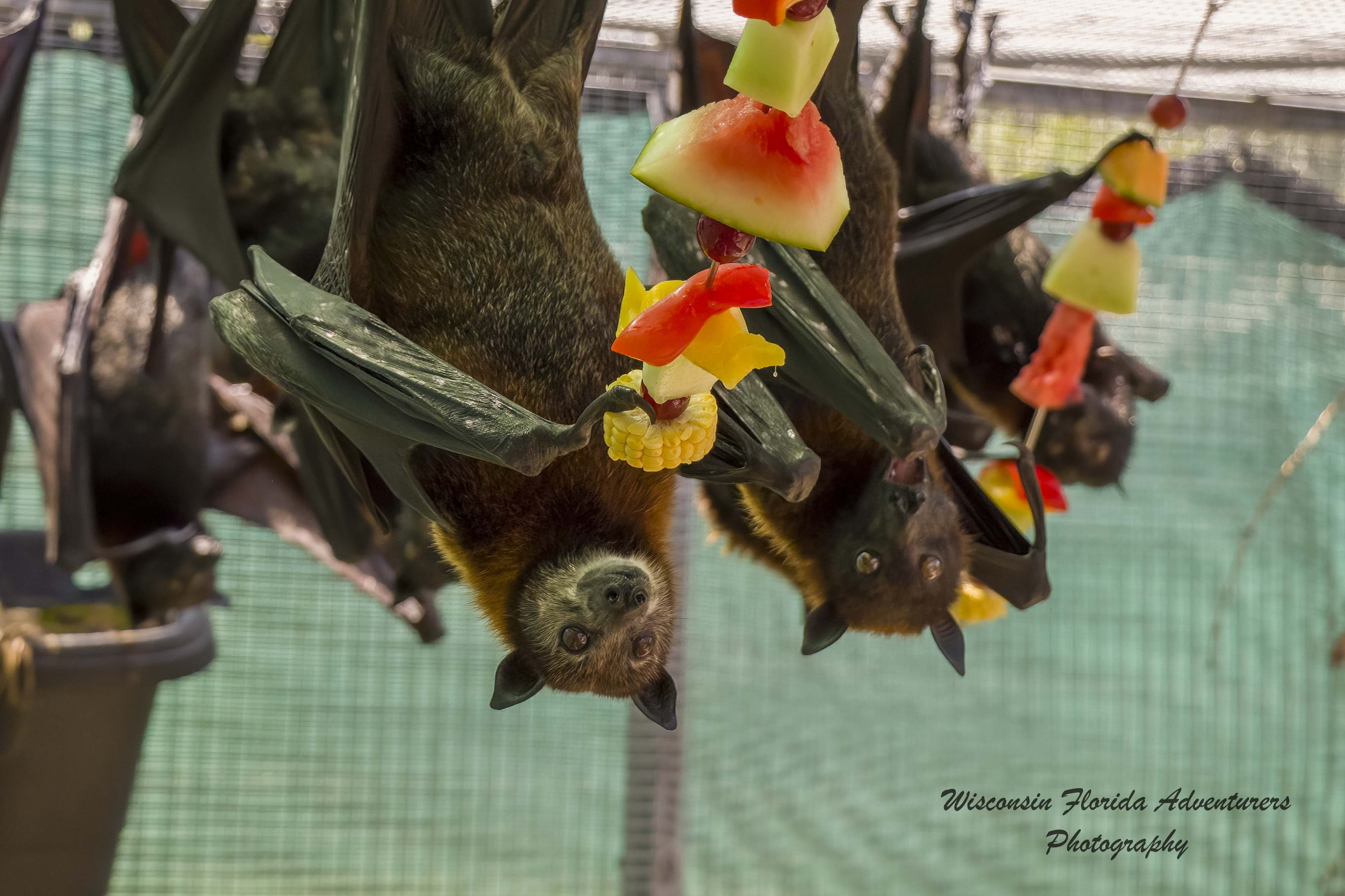
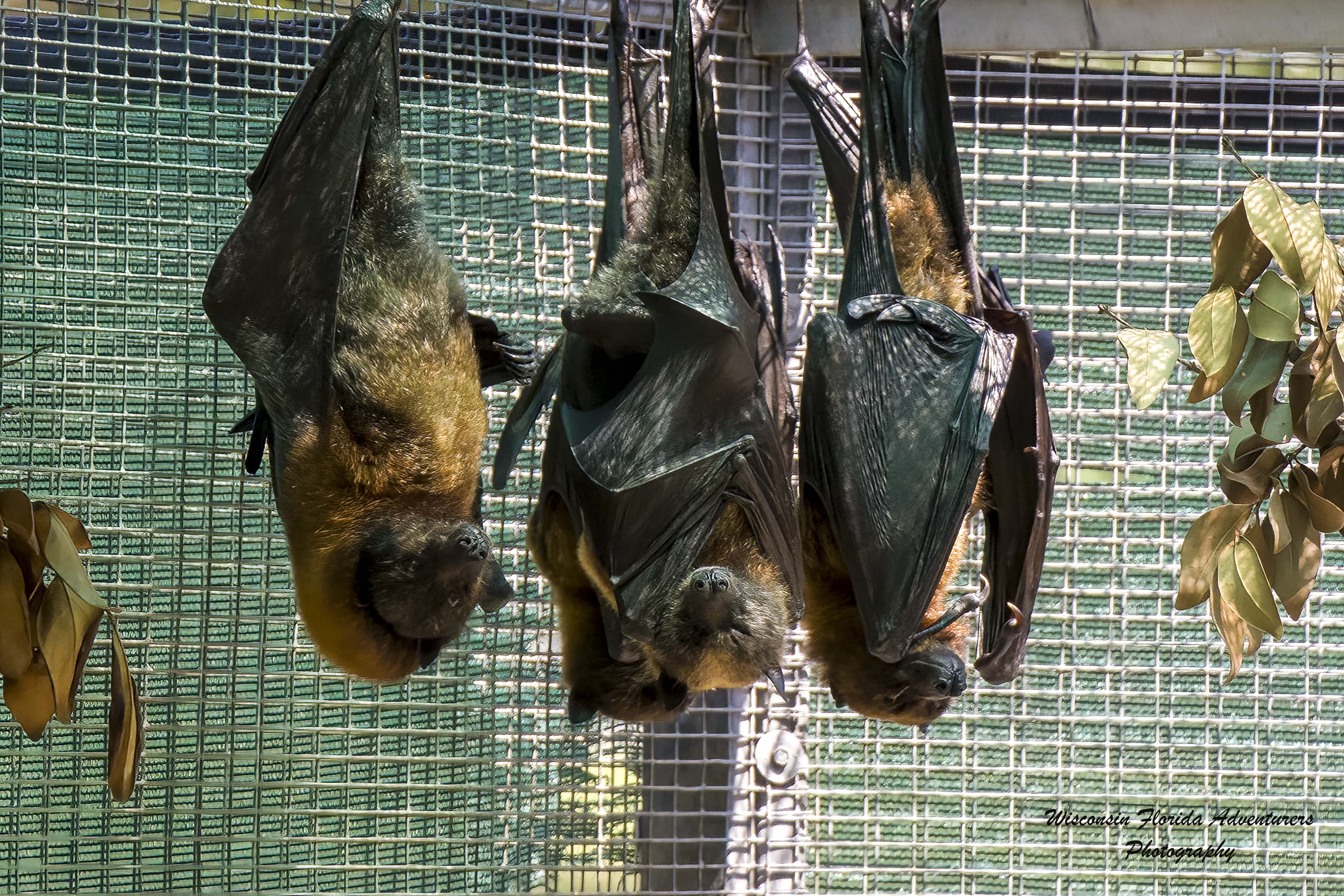
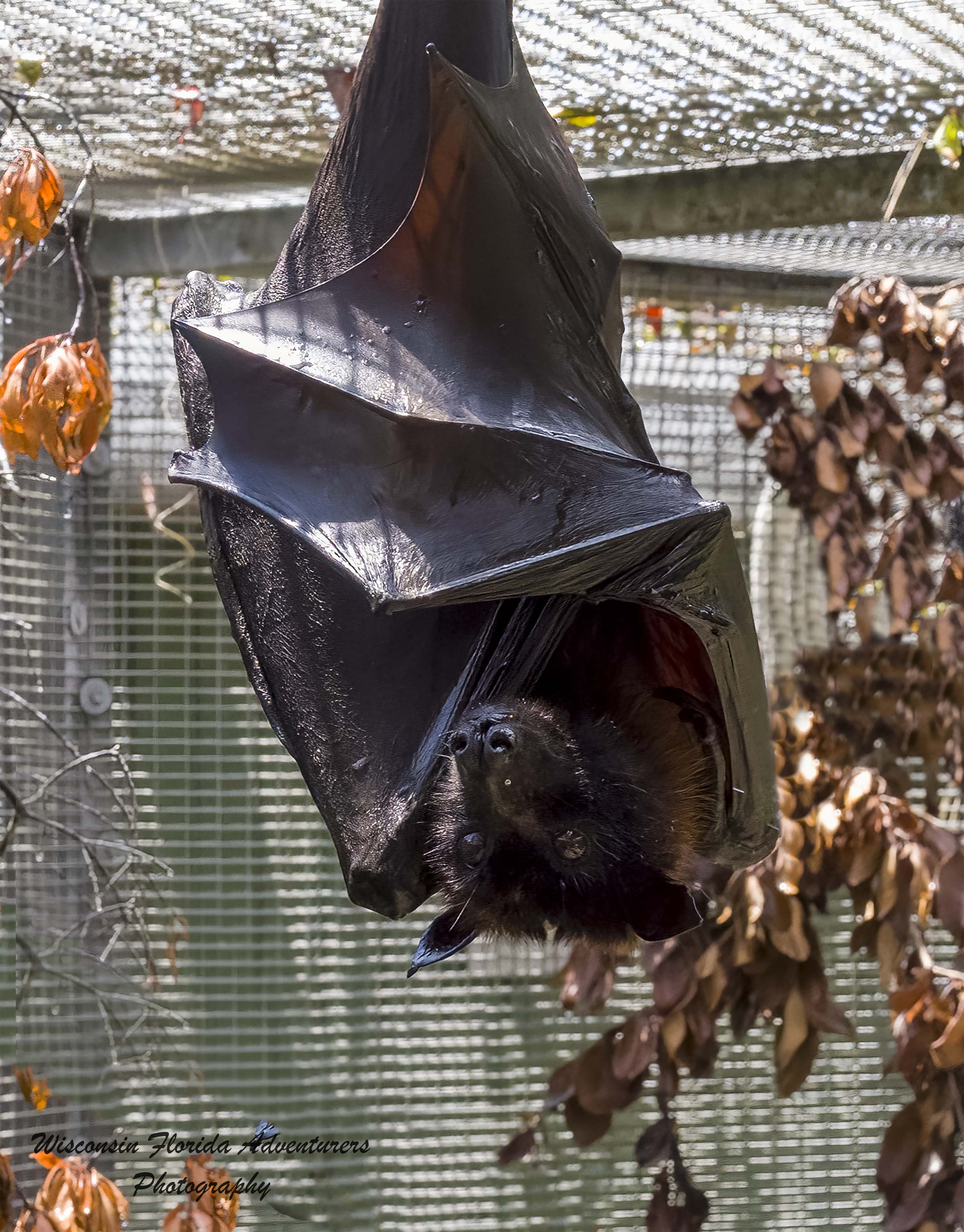
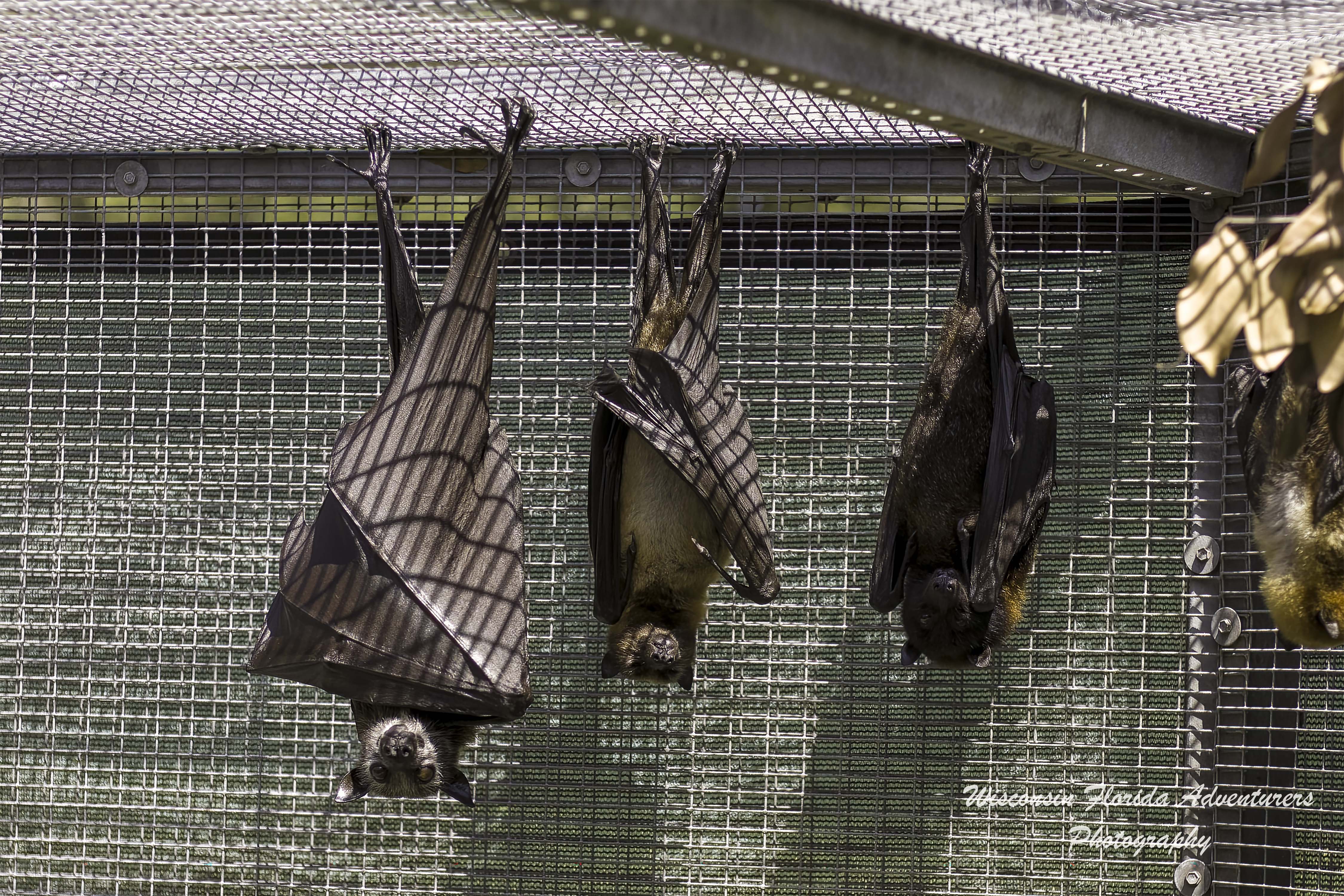
Fruit bats/fox bats are primarily nocturnal creatures, spending their days hanging upside down in large colonies called roosts. These roosts can comprise thousands of individuals and are typically found in caves, trees, or man-made structures. At dusk, they emerge to forage for their preferred diet—fruit and nectar.
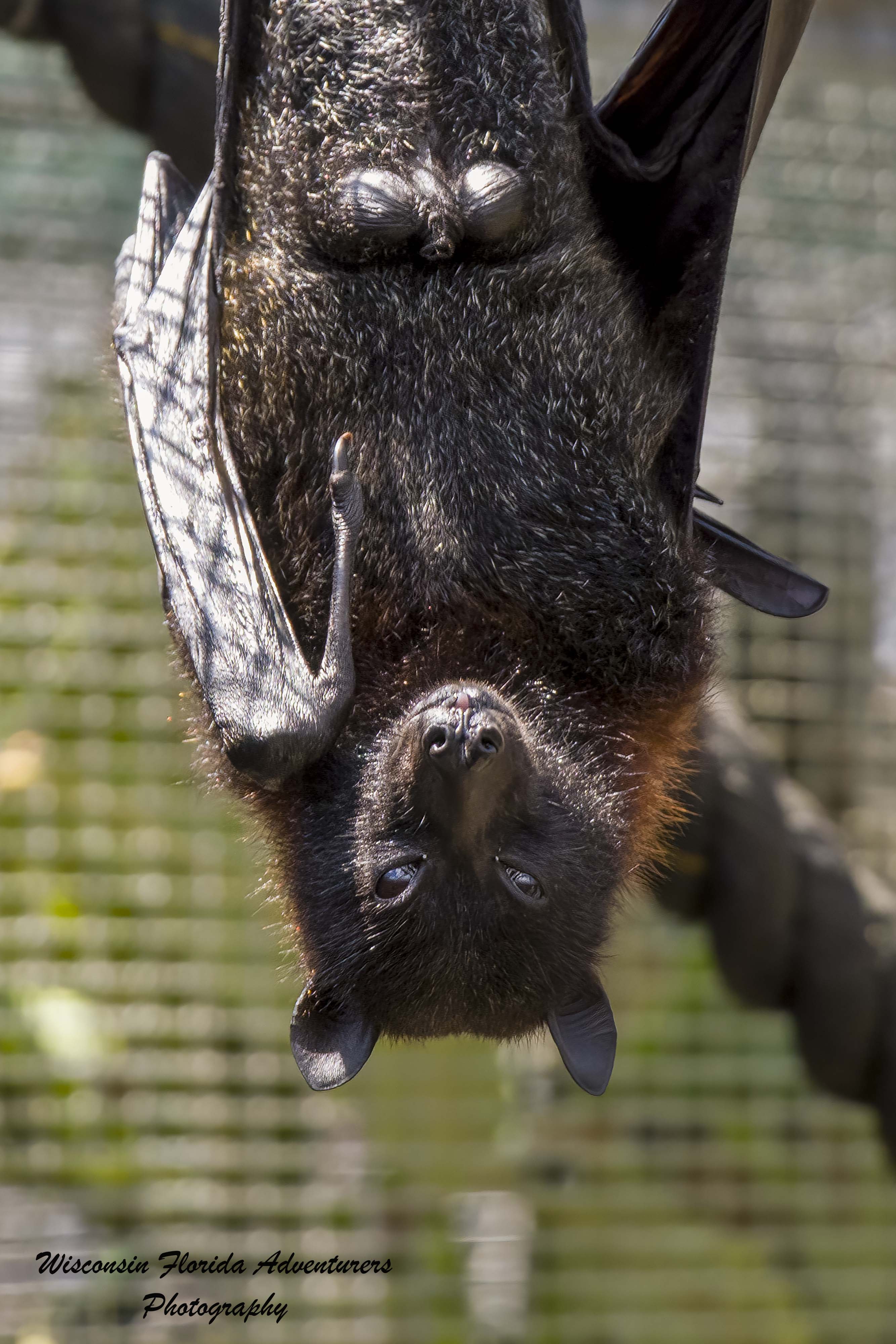
Indian Fox Bat/Fruit Bat: This photo is for sale on WIFLAdventurers Etsy Shop. Click Here!
As important pollinators and seed dispersers, fruit bats/fox bats play a vital role in maintaining the balance of ecosystems. Their long tongues and sharp teeth are well-suited for feeding on nectar and fruit. By consuming these resources, they aid in the fertilization of flowers and the dispersal of seeds over large distances, contributing to the regeneration of forests and the diversity of plant species.
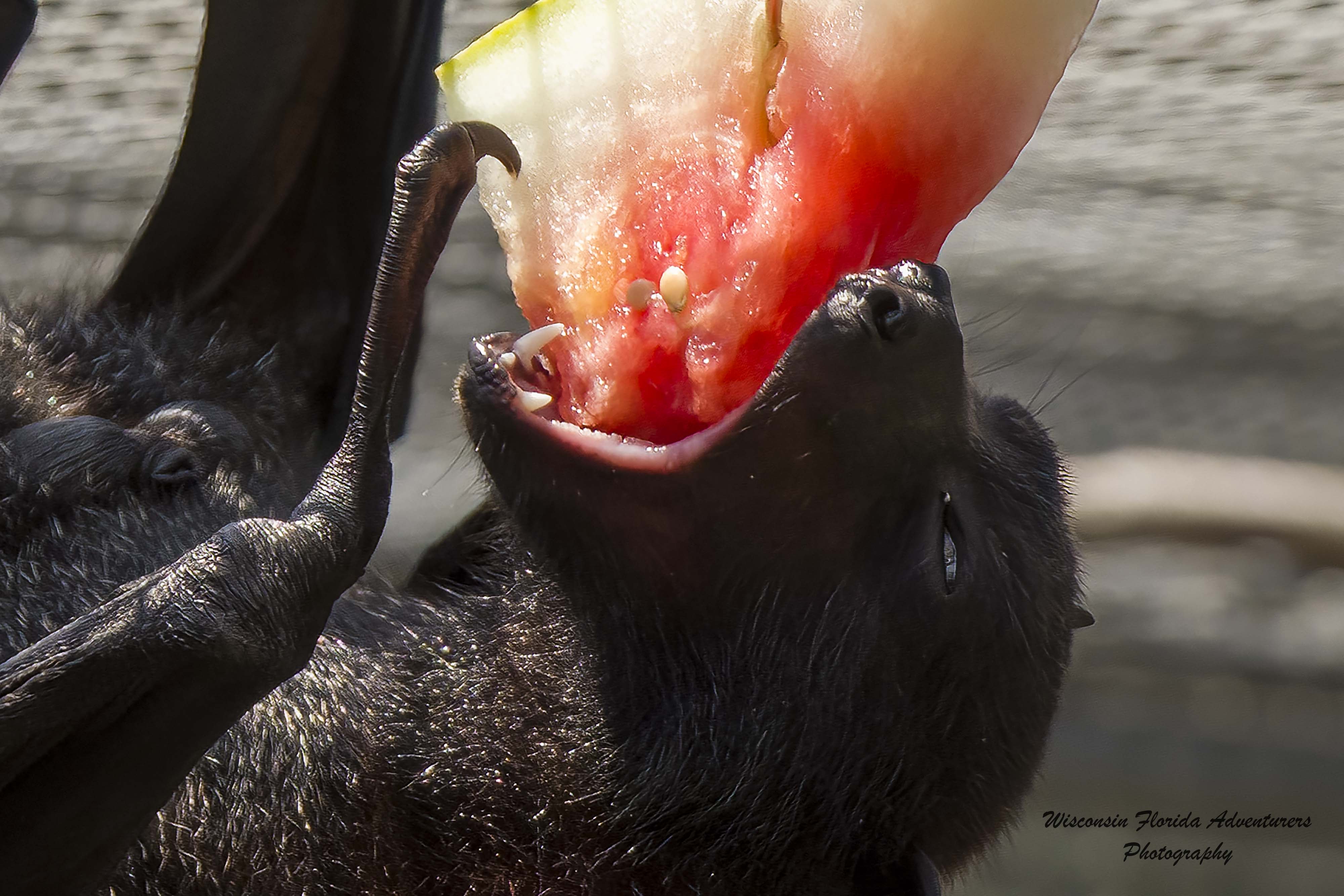
The ecological significance of fruit bats/fox bats cannot be overstated. Their feeding habits make them excellent agents of seed dispersal, helping to regenerate forests and maintain biodiversity. They have co-evolved with numerous plant species, forming mutually beneficial relationships. In some cases, fruit bats/fox bats are the only pollinators for certain plants, making them critical for the survival of those species.
Unfortunately, fruit bats/fox bats face several threats. Deforestation, habitat destruction, and hunting pose significant challenges to their populations. Conservation efforts are essential to protect these unique creatures and ensure the preservation of the ecosystems they contribute to.
The fruit bat/fox bat stands out as a remarkable mammal with its unique appearance, behavior, and ecological role. These bats play a vital role in maintaining the balance of ecosystems through their pollination and seed dispersal activities. Understanding and appreciating these fascinating creatures is crucial for their conservation and the preservation of the natural world they are an integral part of. By raising awareness about fruit bats/fox bats, we can contribute to their protection and promote the importance of biodiversity conservation as a whole.


















 Wisconsin Florida Adventurers