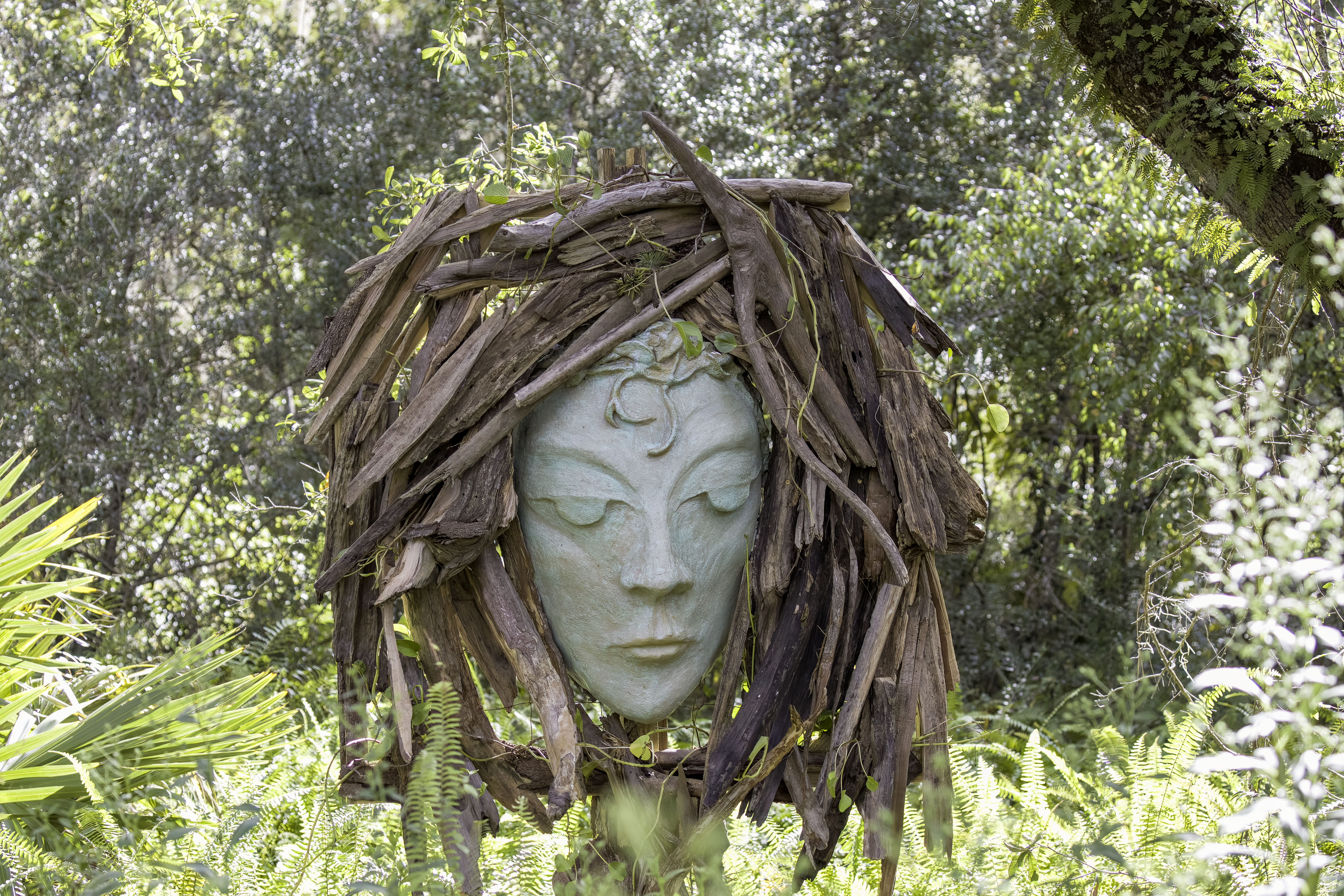
When you wander the shaded trails of Bok Tower Gardens in Lake Wales, Florida, you may notice something unexpected among the roots, ferns, and stones—small elf figures peeking from behind tree trunks or standing proudly beside miniature wooden houses. These tiny guardians of the garden are part of a whimsical tradition that blends imagination, nature, and storytelling, bringing a touch of enchantment to one of Florida’s most peaceful sanctuaries.
The elf figures are most commonly found along the Hammock Hollow Children’s Garden and the Fairy House Trail, where visitors of all ages can encounter little scenes that seem to belong to another world. Crafted from natural materials such as wood, stone, and moss, each elf appears mid-adventure—carrying acorns, leaning on twigs, or gazing up at the canopy as if listening to the songs of the carillon bells. Their placement is intentional yet subtle, inviting discovery rather than demanding attention. Children are encouraged to search for them quietly, to look closely at the details of bark, roots, and leaves, and in doing so, to connect more deeply with the surrounding landscape.
These elves embody the spirit of Edward W. Bok’s vision for the gardens: to inspire reflection, kindness, and appreciation for beauty in all its forms. They are not simply decorations but storytellers—symbols of the harmony between people and nature. Each small figure suggests that the forest is alive with unseen caretakers, preserving its peace and magic.
Walking the trails and spotting these hidden elves transforms an ordinary stroll into a journey of imagination. They remind us that wonder can live in the smallest corners of the world, that even in a carefully cultivated garden, mystery still blooms—and that perhaps, if you listen closely, you might hear an elf’s laughter carried softly on the Florida breeze.
Comet C/2023 A3, officially named Comet Tsuchinshan–ATLAS, is a recently discovered celestial object that has sparked interest among astronomers and space enthusiasts alike. Identified in early 2023, this comet bears a dual designation reflecting the institutions responsible for its discovery: the Tsuchinshan Observatory in China and the Asteroid Terrestrial-impact Last Alert System (ATLAS) based in Hawaii. The discovery of this comet comes as a unique opportunity for astronomers to study a potentially bright and observable cometary object as it approaches the Sun, promising significant scientific and public attention if it brightens as anticipated in 2024.
The initial discovery of C/2023 A3 took place on January 9, 2023, when astronomers at the Tsuchinshan Observatory observed a faint object moving against the background stars. After its discovery, the comet’s orbit was calculated with the help of additional observations, including those from ATLAS, which helped verify its path and characteristics. Observations indicated that this comet follows a long-period orbit, meaning it originates from the distant Oort Cloud, a vast region of icy bodies that surrounds our Solar System. With an orbital period estimated to be in the millions of years, Comet C/2023 A3 may be approaching the inner Solar System for the first time, bringing with it pristine material from the early Solar System.
The comet’s closest approach to the Sun (perihelion) was on October 13, 2024, and to Earth on October 16, 2024. These dates are especially important for astronomers, as perihelion and close approach can result in the brightest and most active phases for a comet. The Comet C/2023 A3 became as bright as some of the more notable comets of recent years, it reached a magnitude bright enough to be visible to the naked eye. Observers in the Northern Hemisphere were able to witness an impressive spectacle during the fall of 2024, with the comet visible in the evening sky.
The brightening of C/2023 A3 as it neared the Sun was driven by the process of sublimation, where the ice within the comet’s nucleus turns directly into gas upon heating. This process releases gas and dust that formed the comet’s coma (a cloud-like atmosphere) and distinctive tail. As the comet approached the inner Solar System, sunlight and solar winds interacted with these materials, creating the iconic tails that we associate with comets. For C/2023 A3, this process revealed insights about its composition and structure, as observing its outgassing helped scientists understand the ratio of water ice to other ices, as well as the presence of organic molecules and dust.
Studying comets like C/2023 A3 is significant because they offer a glimpse into the Solar System’s early history. As primordial remnants from the time of planetary formation, comets contain pristine materials that have been largely unchanged for billions of years. They are, in essence, time capsules that hold clues about the conditions and processes that existed when the Sun and planets were forming. By analyzing the material released by C/2023 A3, scientists hope to learn more about the composition of the early Solar System, as well as gain insights into how planets and other bodies may have formed.
Comet C/2023 A3 (Tsuchinshan–ATLAS) presents a valuable opportunity for both scientists and amateur astronomers to observe and study a long-period comet. Its brightness and visibility has made it a memorable sight in 2024, offering both a celestial spectacle and a deeper understanding of our cosmic neighborhood.
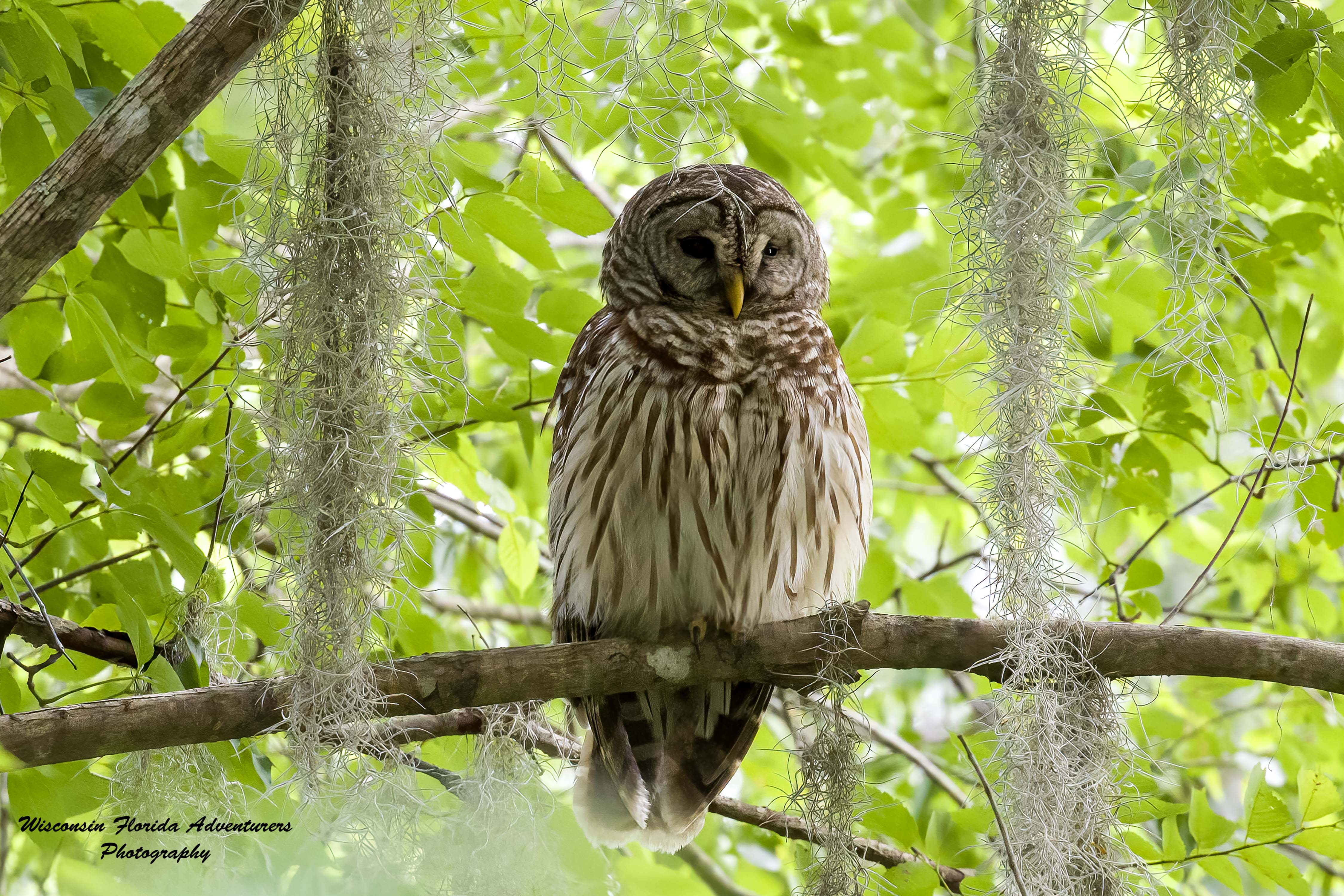
Nestled within the heart of Florida’s natural landscape, Circle B Bar Reserve stands as a testament to the region’s rich biodiversity and ecological significance. Among its diverse inhabitants, the barred owl and its owlets reign supreme, captivating visitors with their majestic presence and endearing family dynamics. There is a unique relationship between the barred owl and owlets at Circle B Bar Reserve, highlighting their role in the reserve’s ecosystem and the conservation efforts aimed at ensuring their continued existence.
Circle B Bar Reserve provides an ideal habitat for the barred owl, with its extensive wetlands, oak hammocks, and abundant prey species. These adaptable birds of prey thrive in the reserve’s diverse landscape, utilizing its resources to establish territories, build nests, and raise their young. Their haunting hoots echo through the forest, serving as a reminder of their presence and vital role in maintaining ecological balance.
Within the tranquil confines of Circle B Bar Reserve, barred owls engage in the timeless rituals of courtship and nesting. During the breeding season, which typically occurs from February to May, pairs of barred owls engage in elaborate displays of affection, including duets of hoots and mutual preening. Once a suitable nest site is selected, often a hollow tree cavity or abandoned hawk nest, the female lays 2-4 eggs, which she diligently incubates while the male provides food.
The arrival of owlets marks an exciting occasion in the lives of barred owl parents as well as visitors to Circle B Bar Reserve. With the hatching of their offspring, the parents assume the role of devoted caregivers, providing warmth, protection, and nourishment to their vulnerable chicks. The owlets, adorned with fluffy down feathers, rely entirely on their parents for sustenance, eagerly consuming regurgitated prey items delivered with precision and care.
As the owlets grow, they embark on a journey of discovery within the confines of their nest and the surrounding habitat. Under the watchful gaze of their parents, they begin to explore their surroundings, testing their wings and developing essential skills for survival. Guided by instinct and parental guidance, they learn to recognize prey, navigate their environment, and eventually take flight into the world beyond the nest.
The barred owl and owlets of Circle B Bar Reserve serve as invaluable educational resources, offering visitors a firsthand glimpse into the wonders of avian parenthood and wildlife conservation. Visitors gain a deeper appreciation for the interconnectedness of all living things and the importance of preserving natural habitats for future generations.
Despite the sanctuary provided by Circle B Bar Reserve, barred owls and their owlets face numerous challenges and threats to their survival. Habitat loss, fragmentation, and human disturbance pose significant risks to their nesting sites and food sources. In response, conservation efforts have been initiated to mitigate these threats, including habitat restoration, invasive species management, and public outreach campaigns aimed at raising awareness about the plight of these magnificent birds.
As stewards of Circle B Bar Reserve and guardians of its natural heritage, it is our collective responsibility to ensure the continued existence of the barred owl and its owlets for generations to come. By supporting conservation efforts, fostering an appreciation for nature, and preserving critical habitat corridors, we can safeguard the sanctuary of life that thrives within the reserve’s boundaries.
In the tranquil embrace of Circle B Bar Reserve, the barred owl and its owlets stand as ambassadors of the natural world, inspiring awe and wonder in all who encounter them. Through their resilience, adaptability, and unwavering parental devotion, they embody the timeless beauty and complexity of nature, reminding us of our interconnectedness and shared responsibility to protect and preserve the fragile ecosystems that sustain us all.
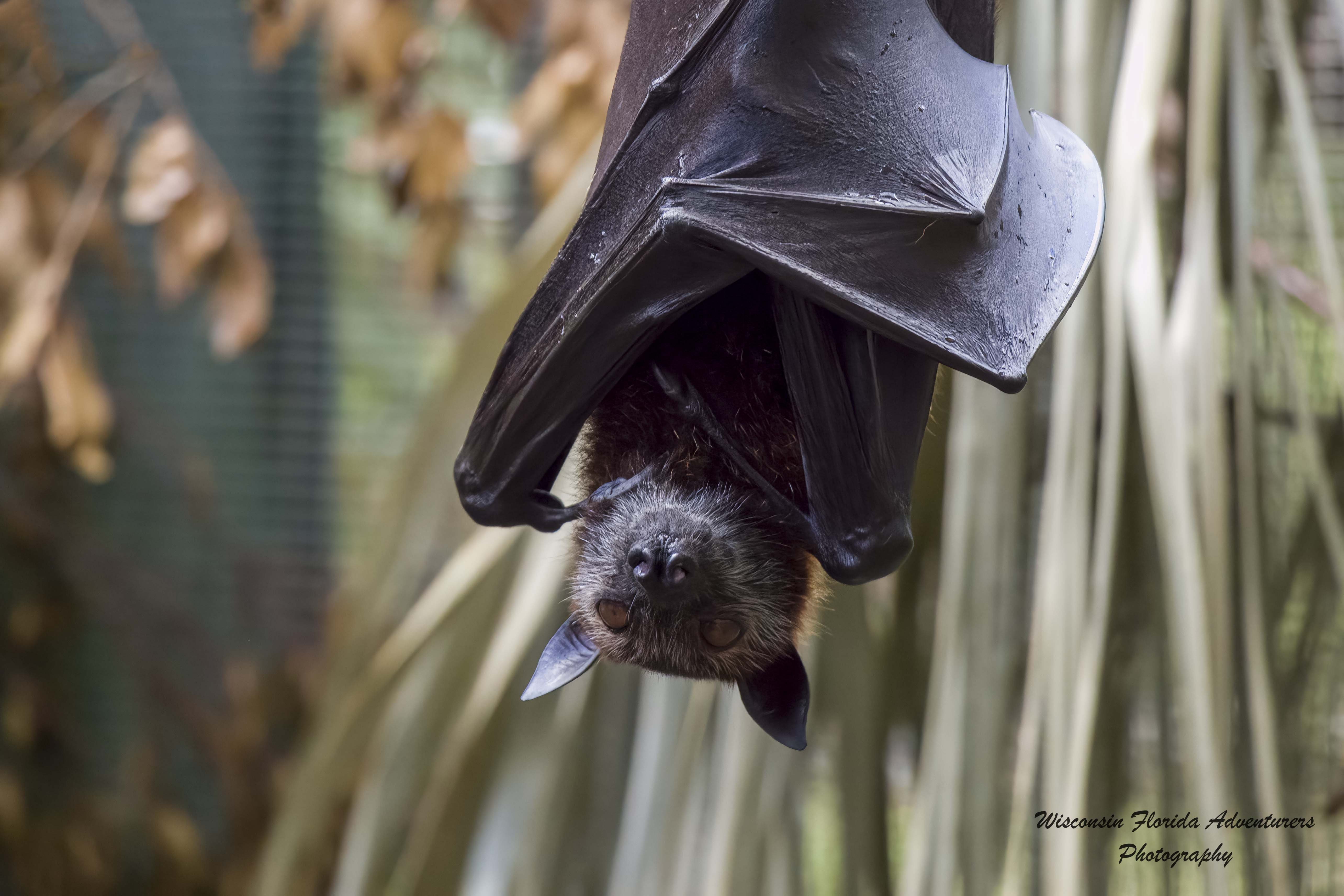
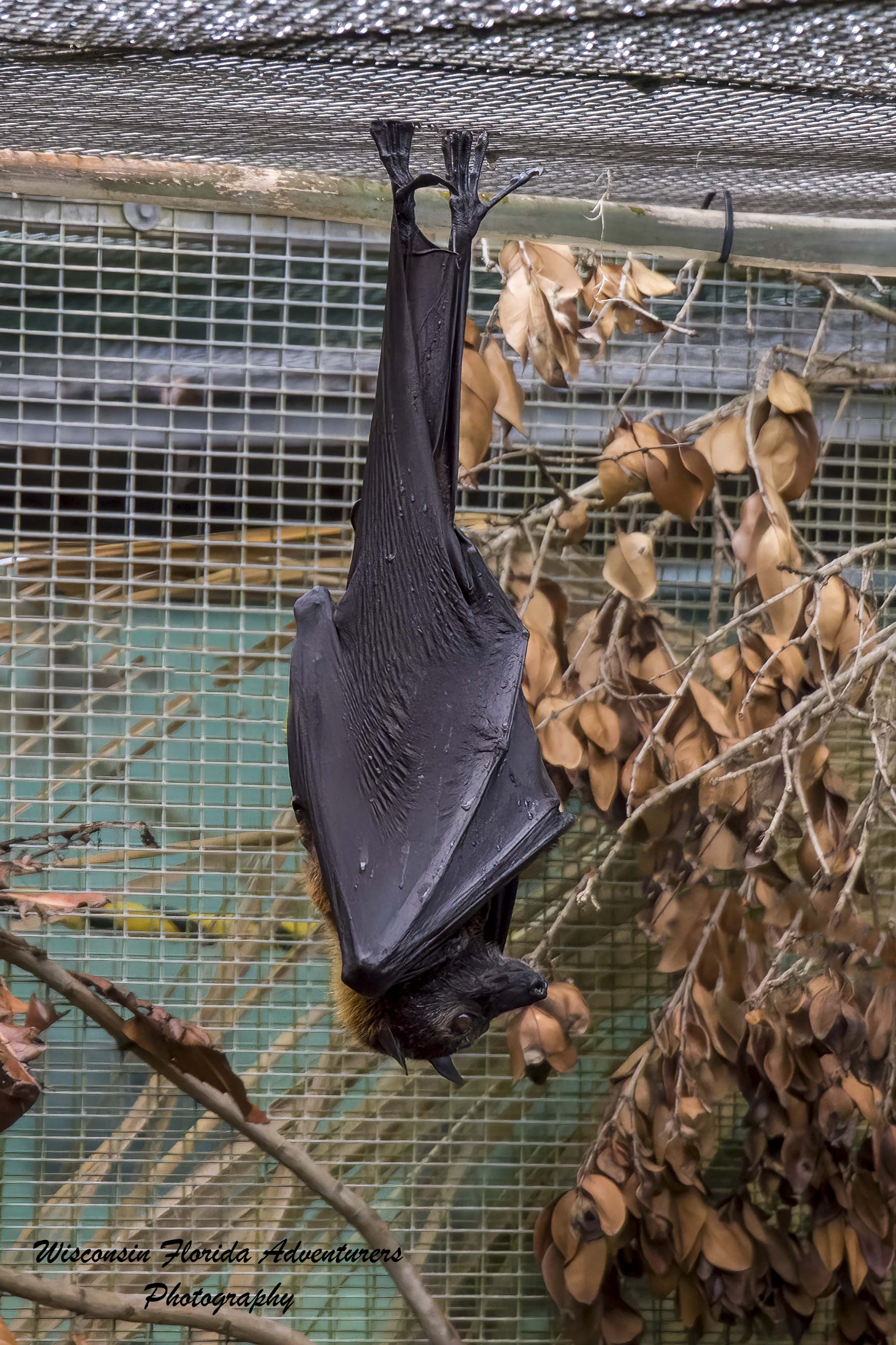
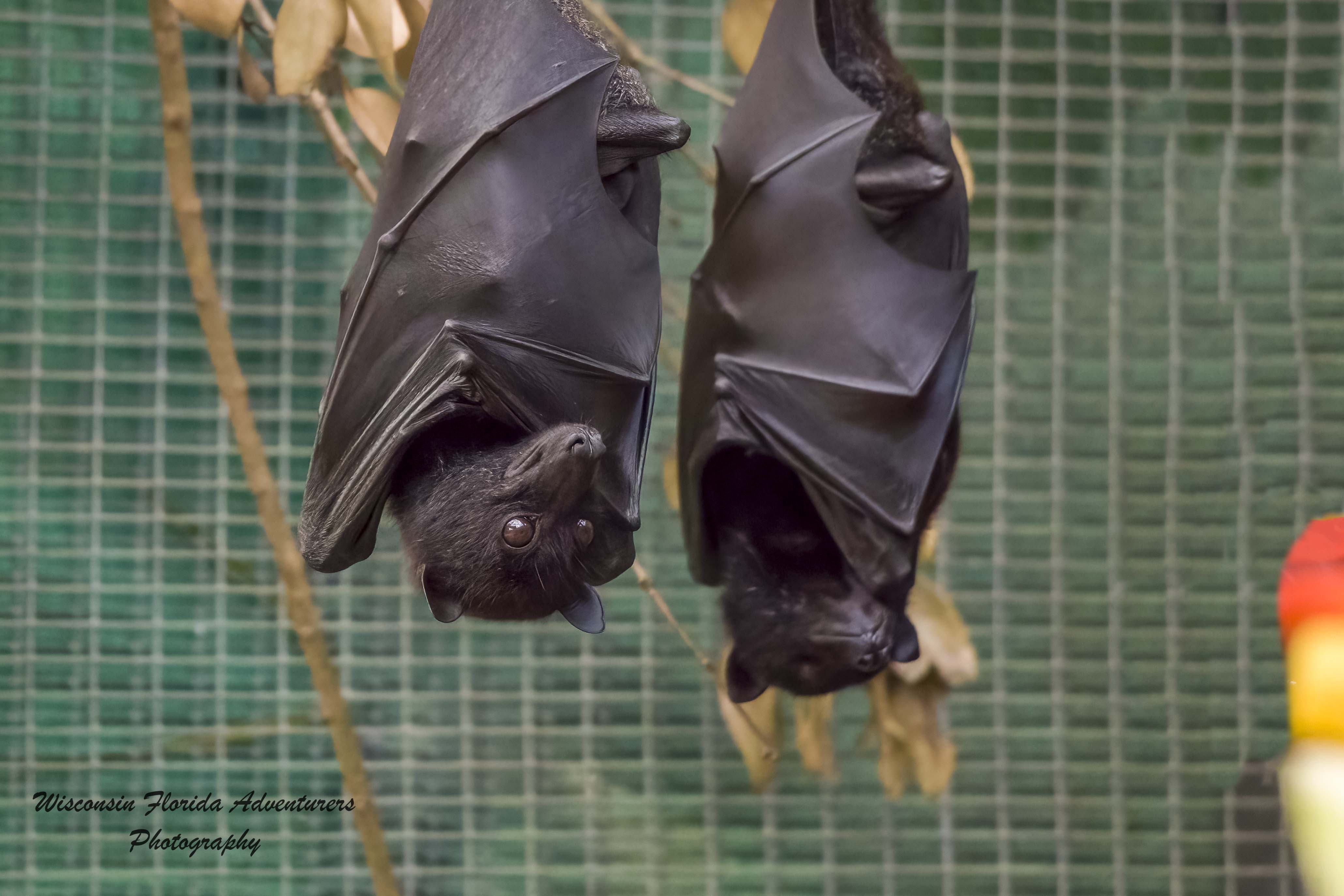
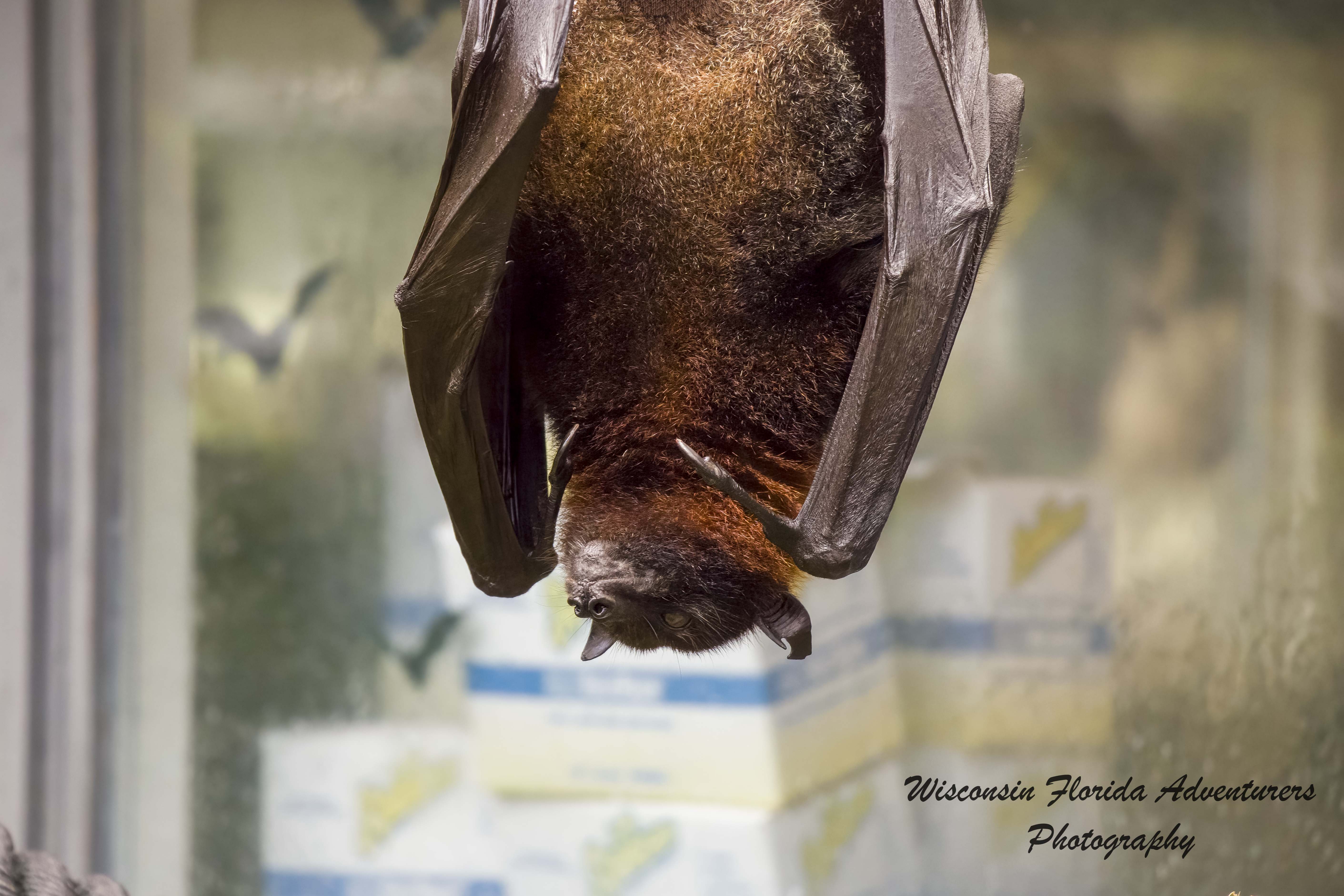
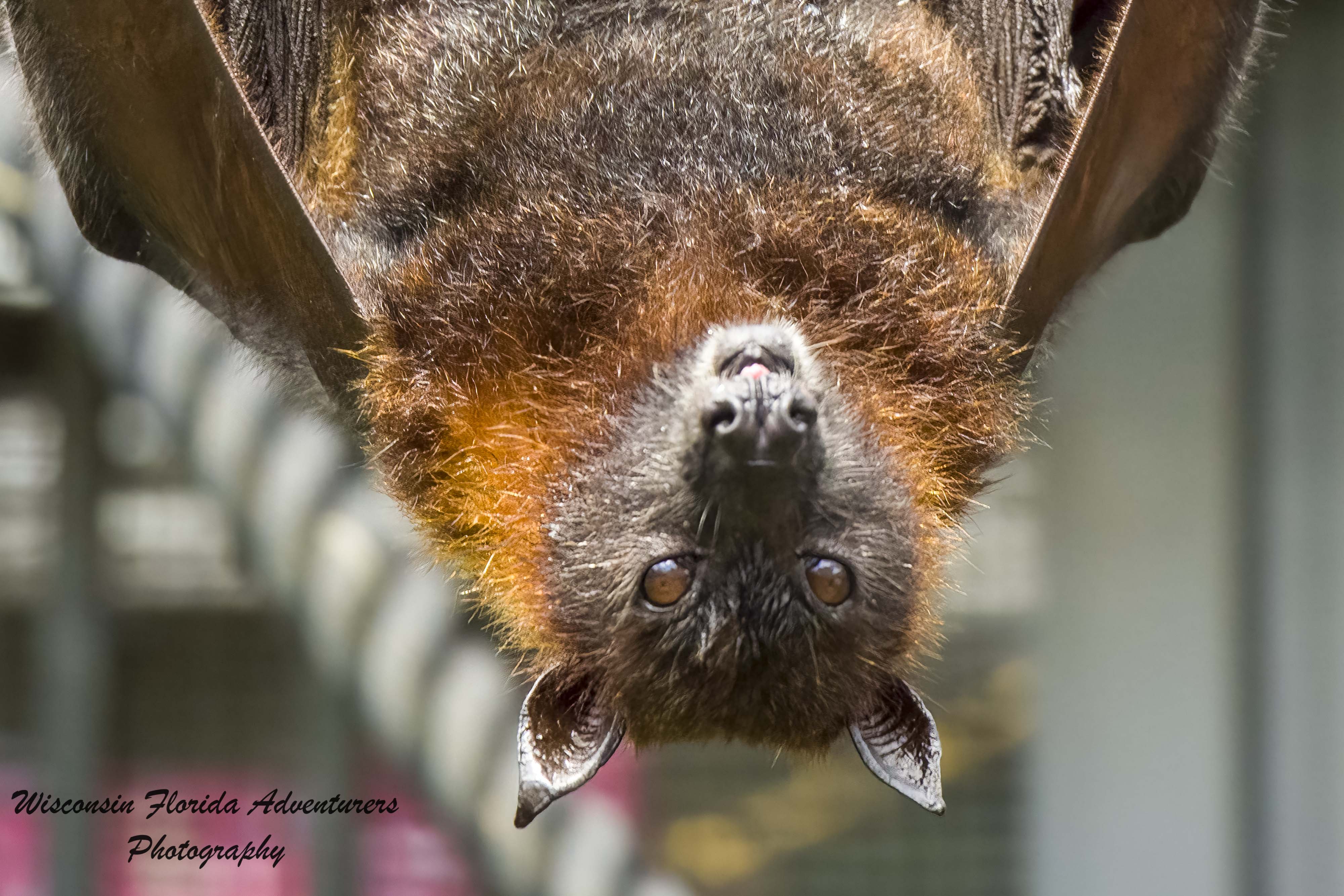
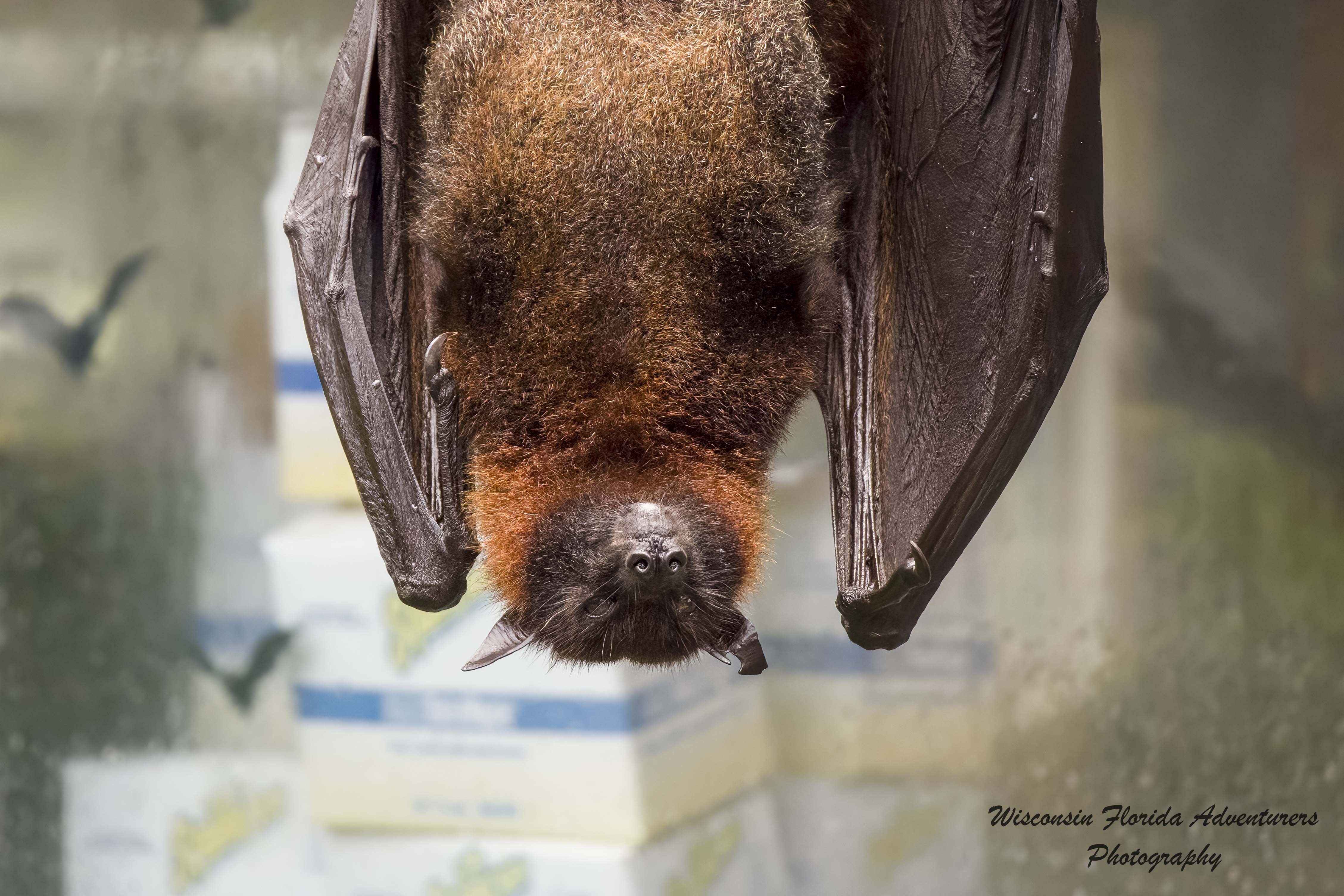
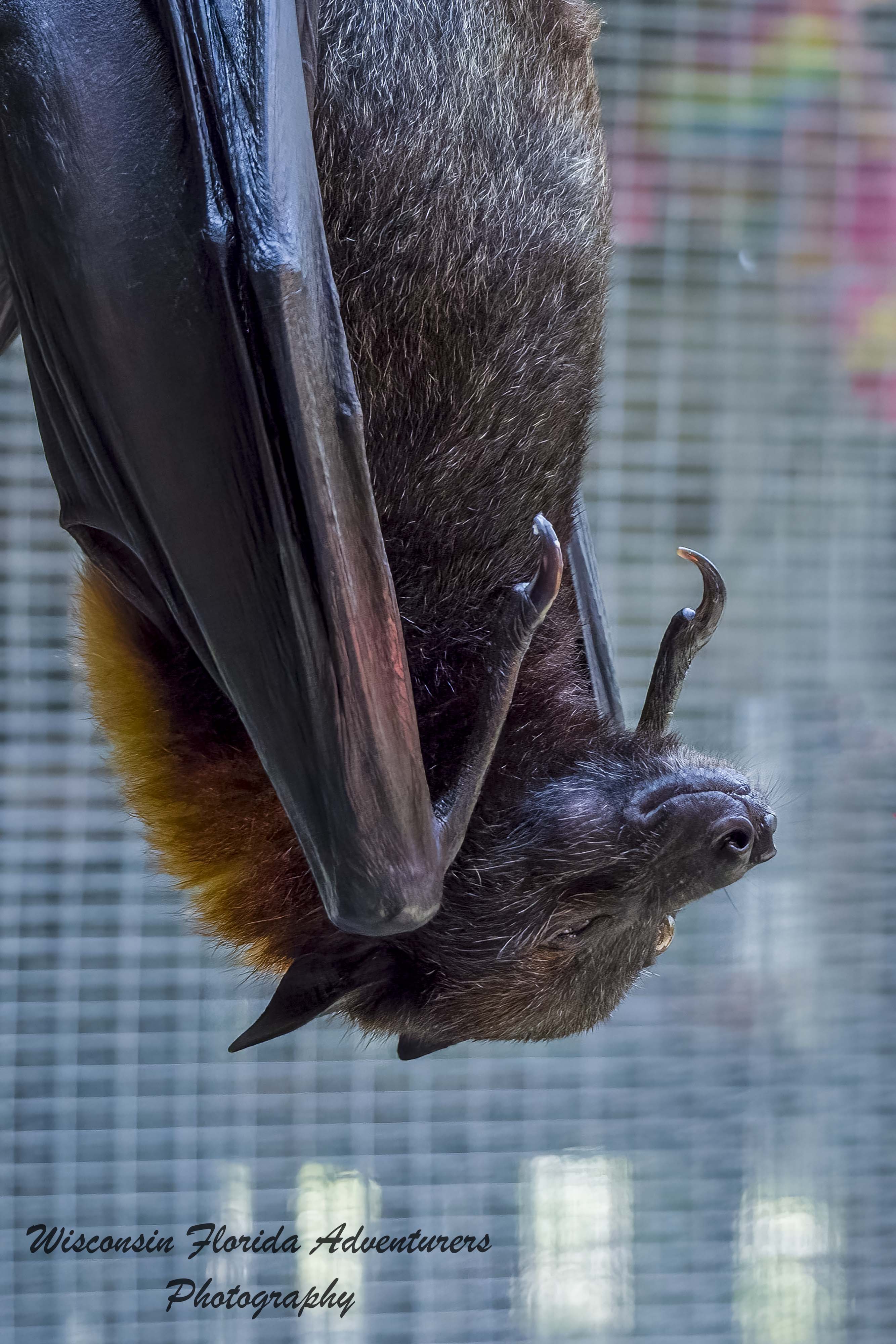
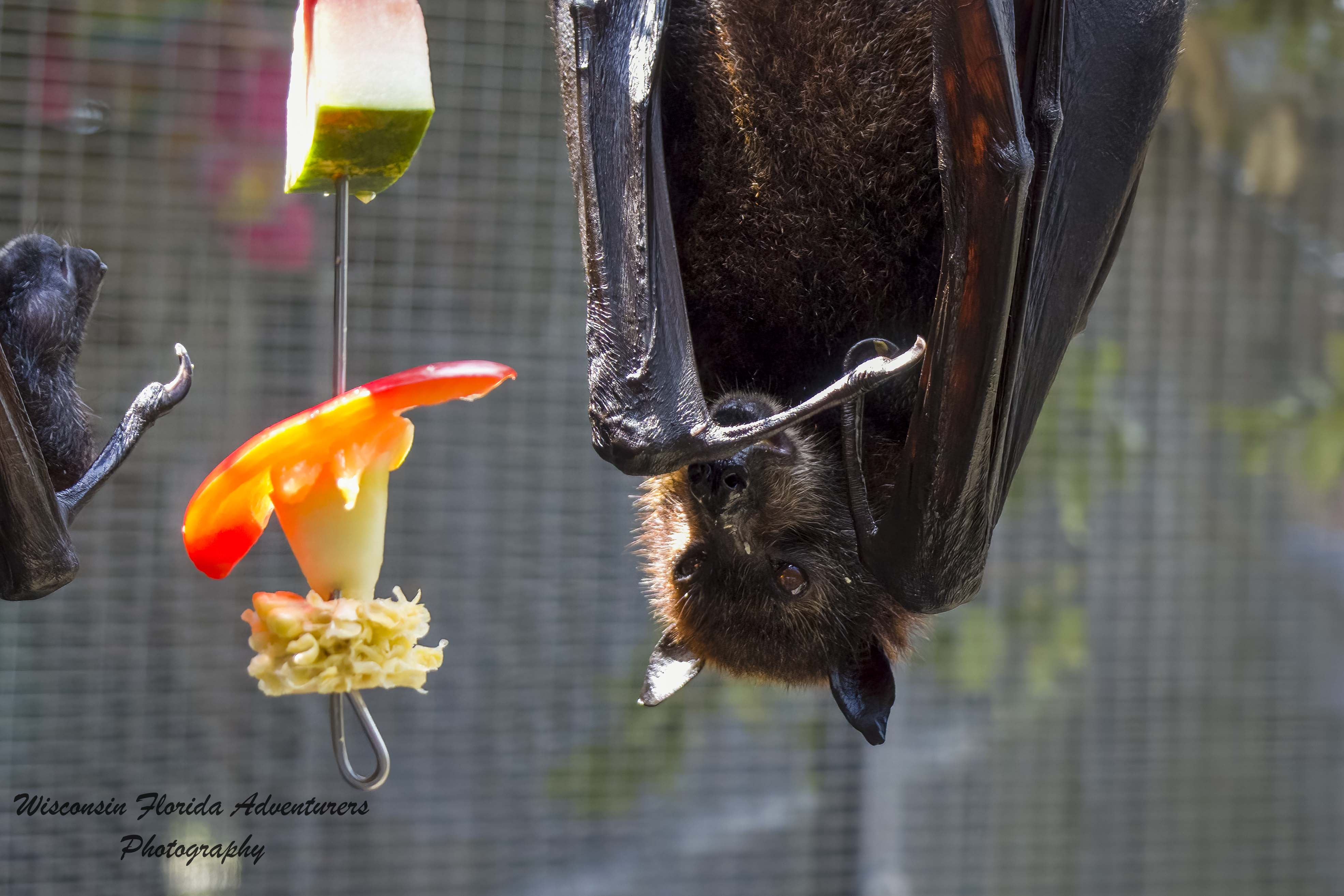
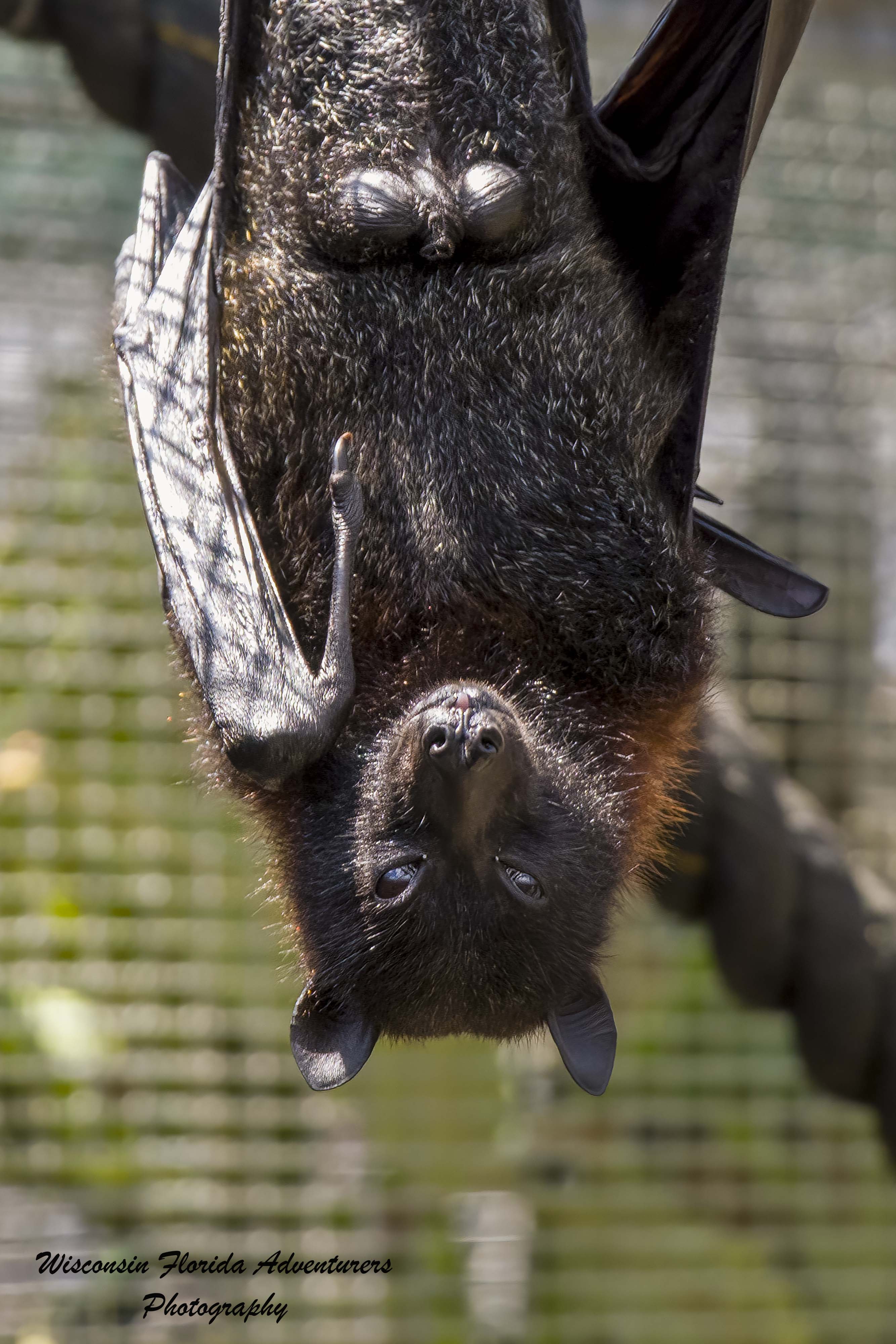
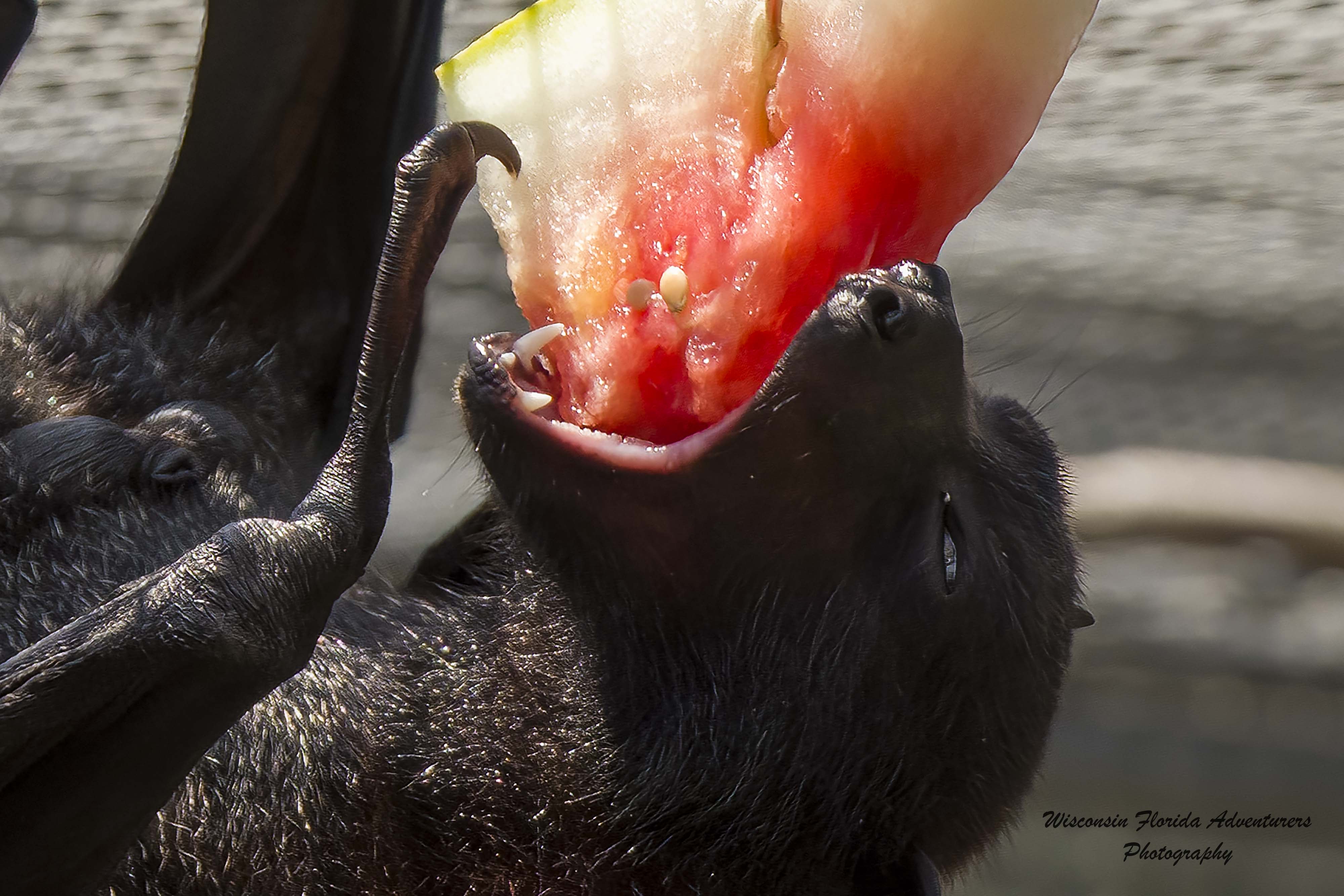
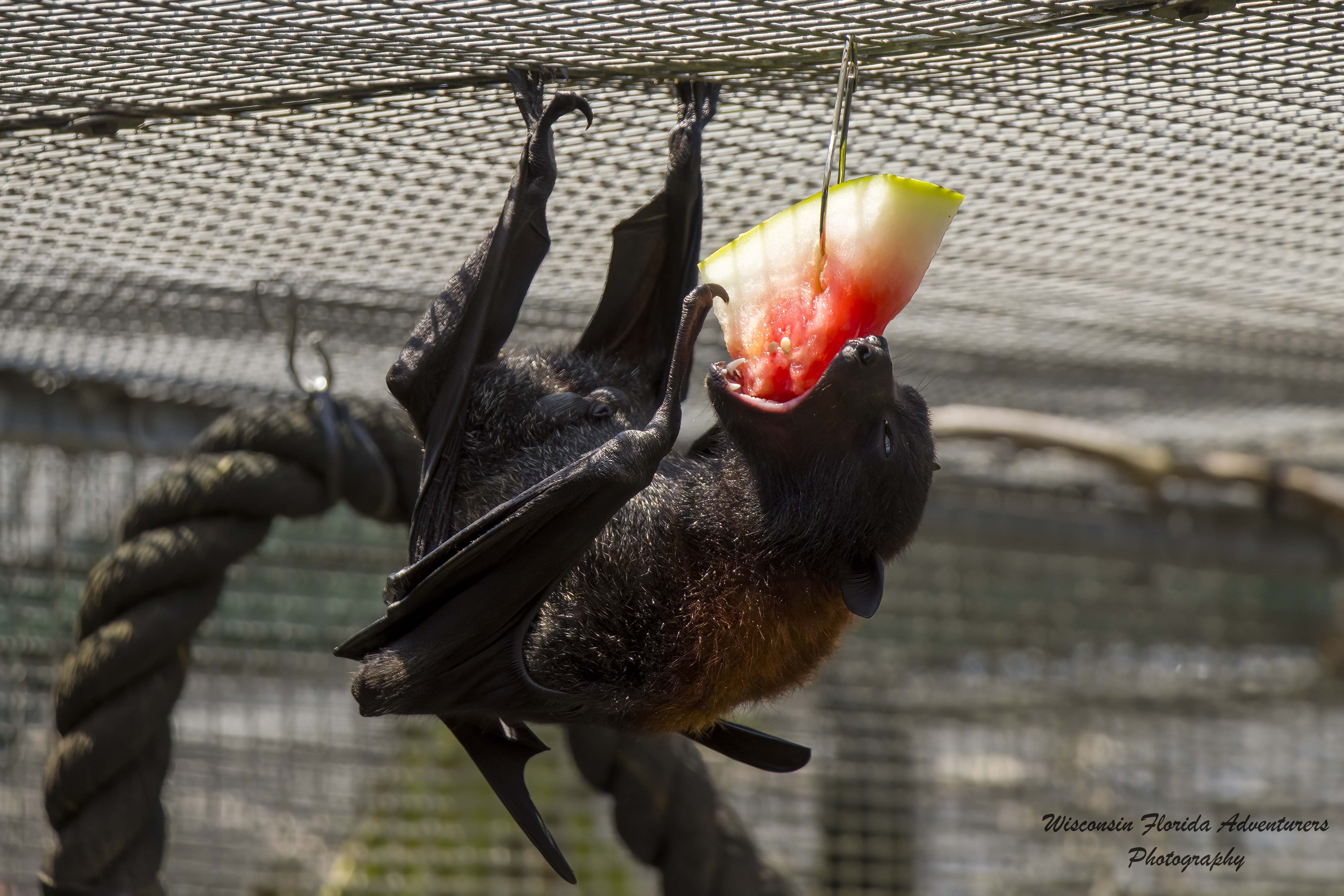
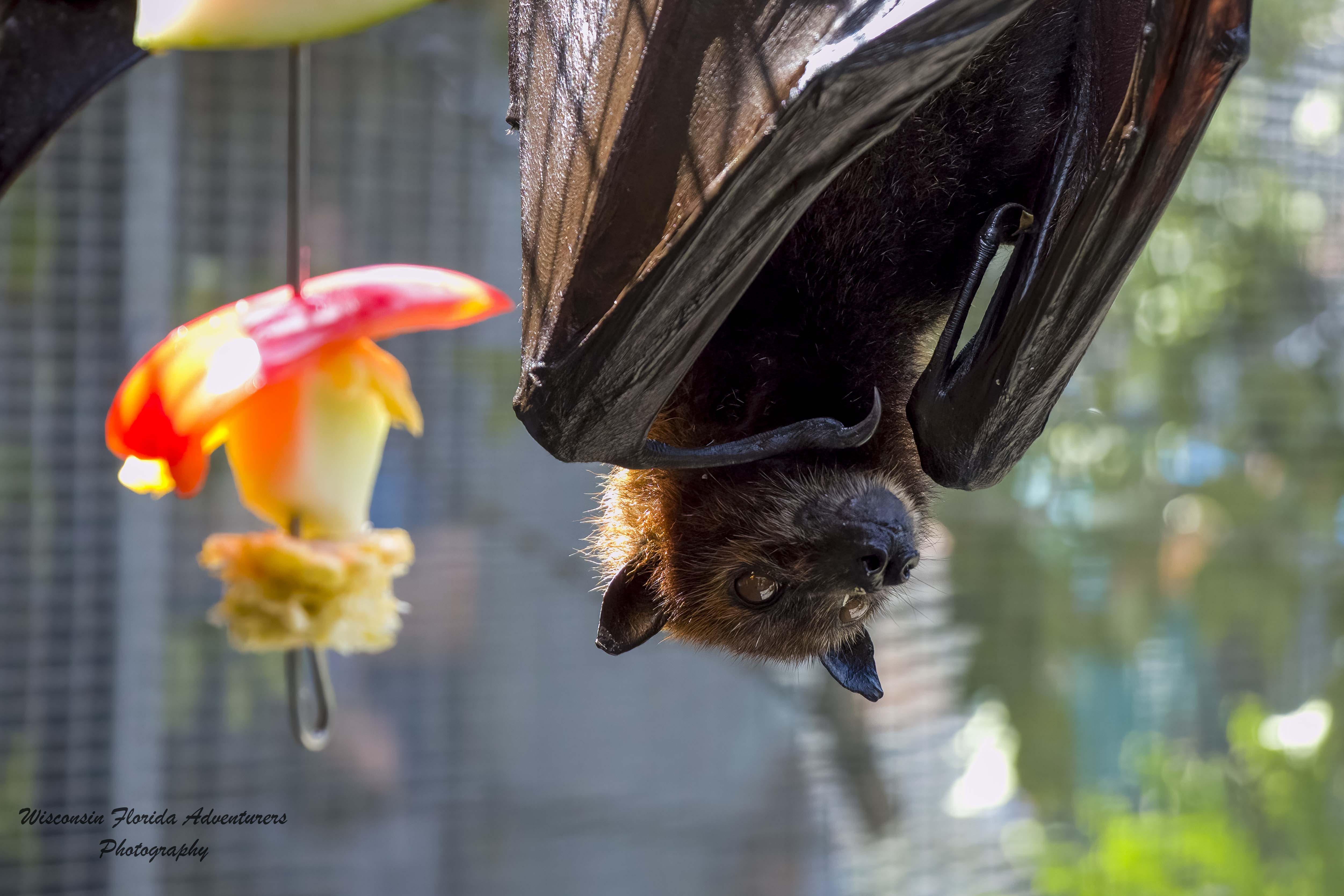
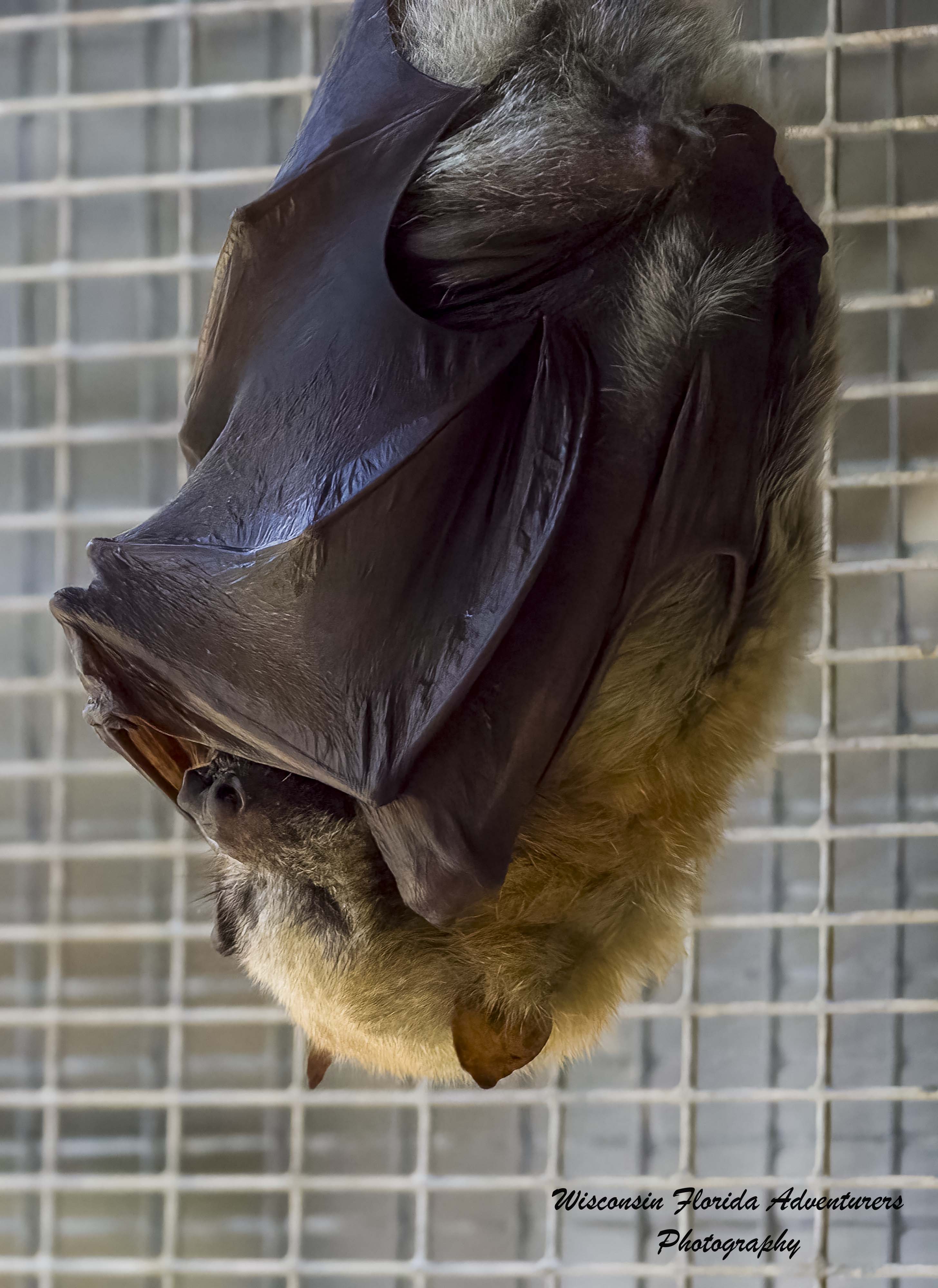
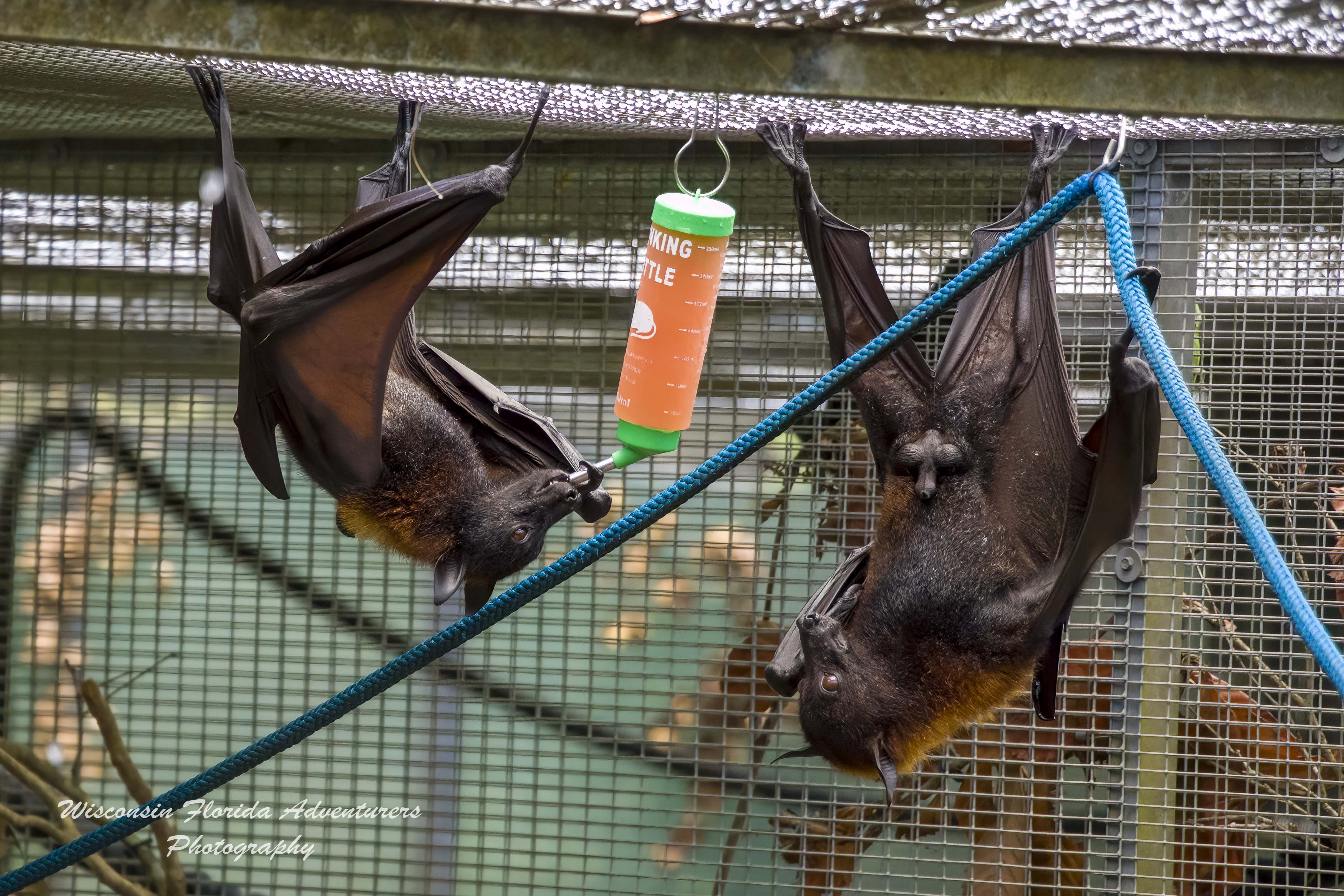
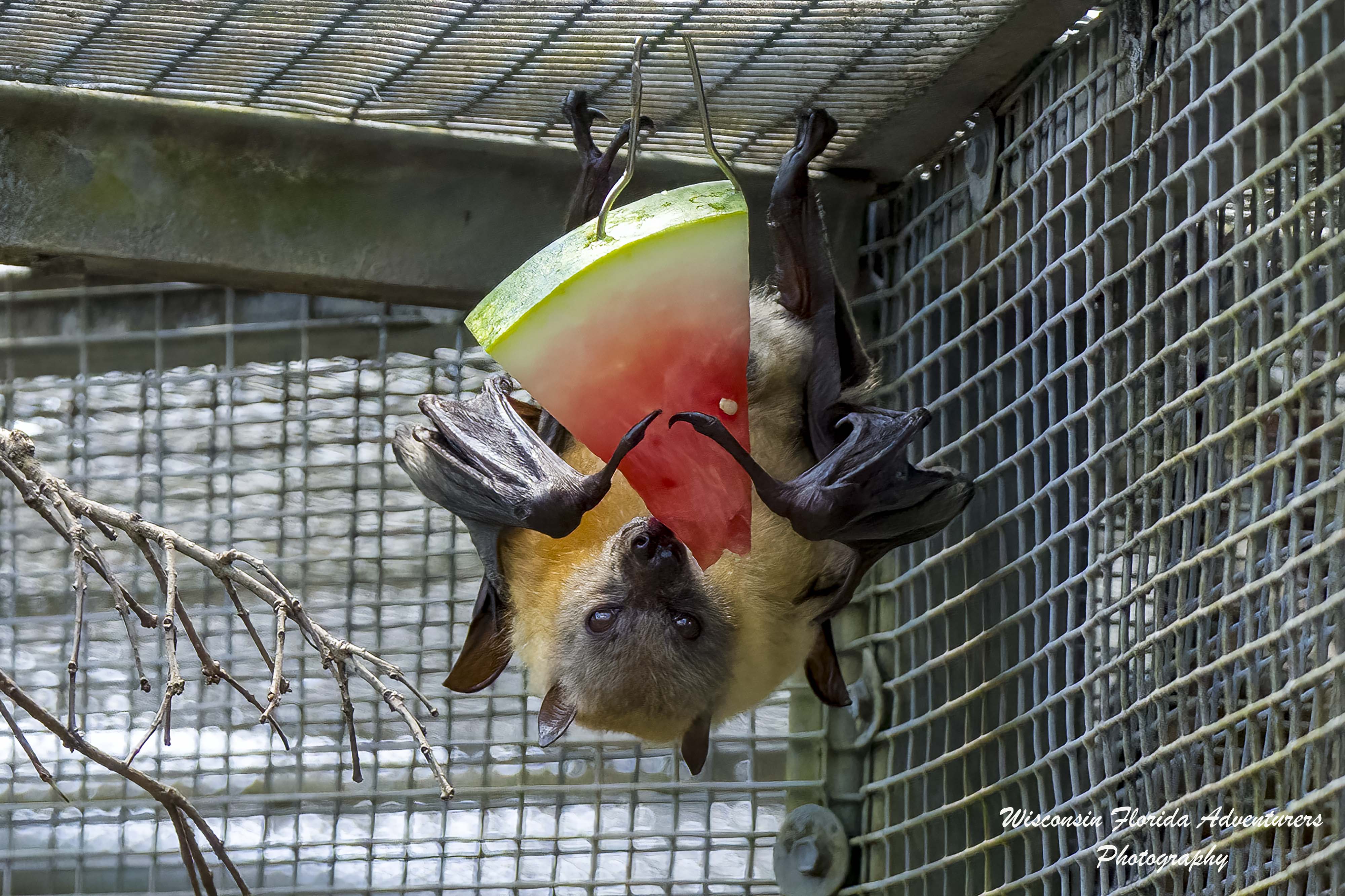
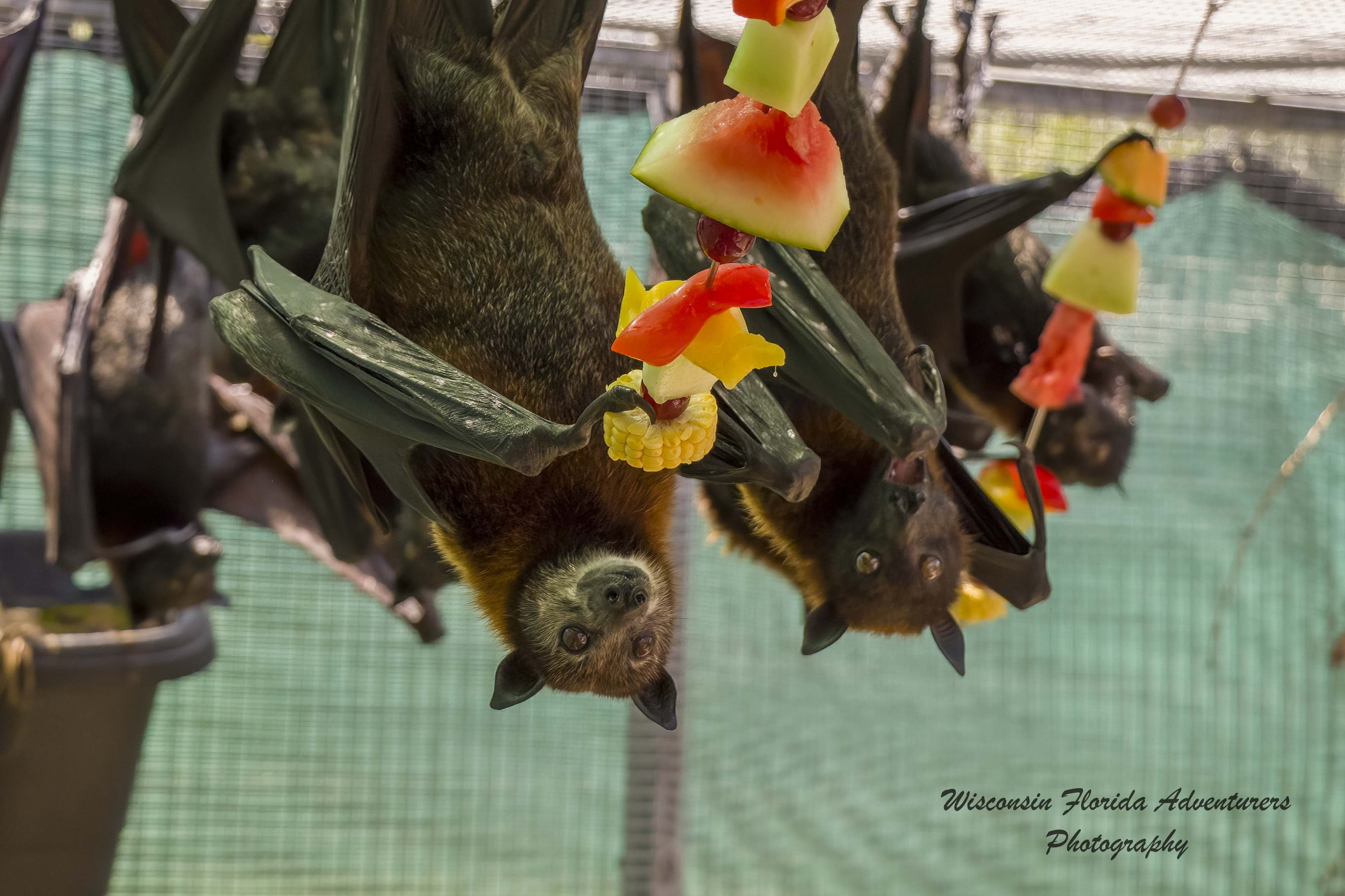
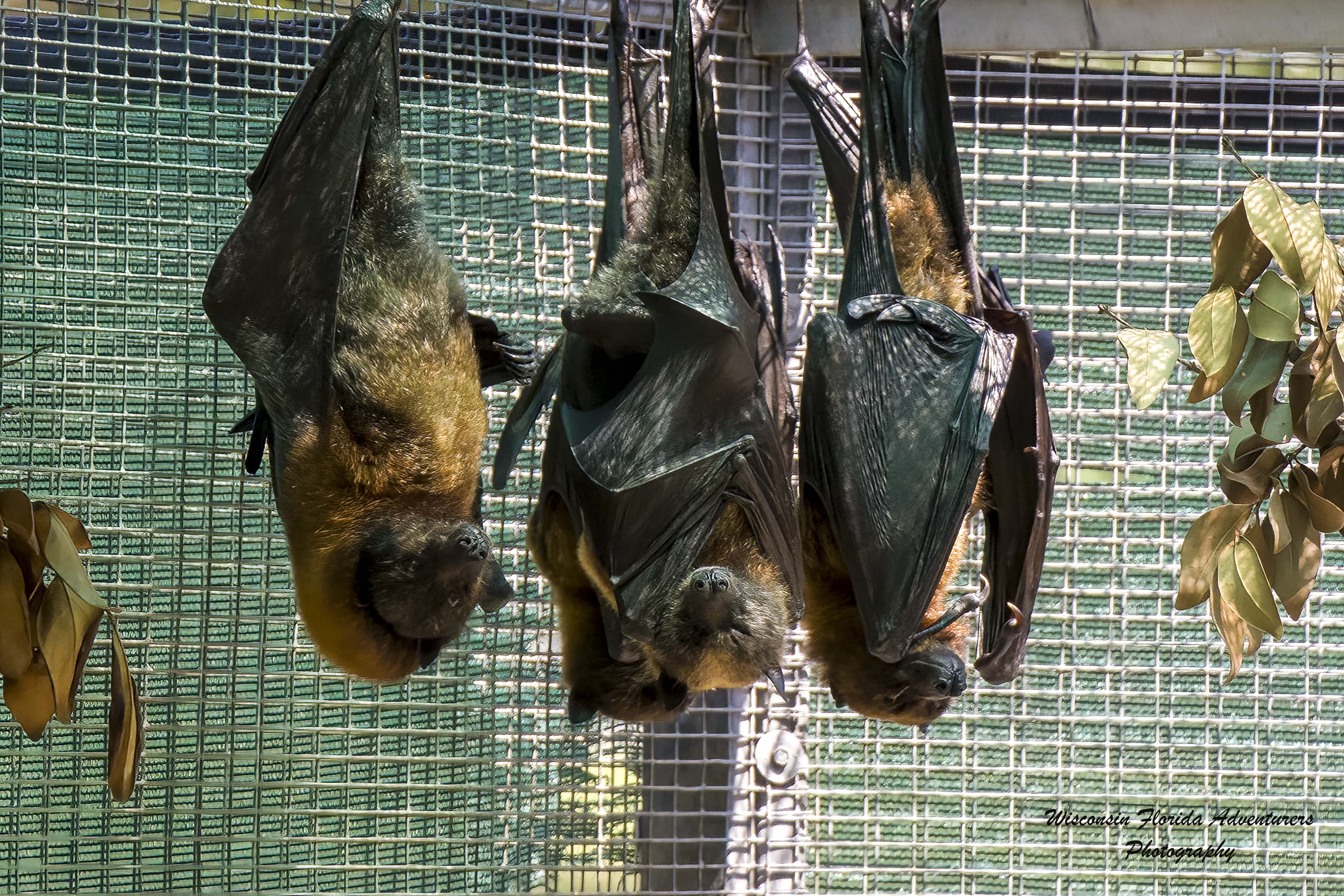
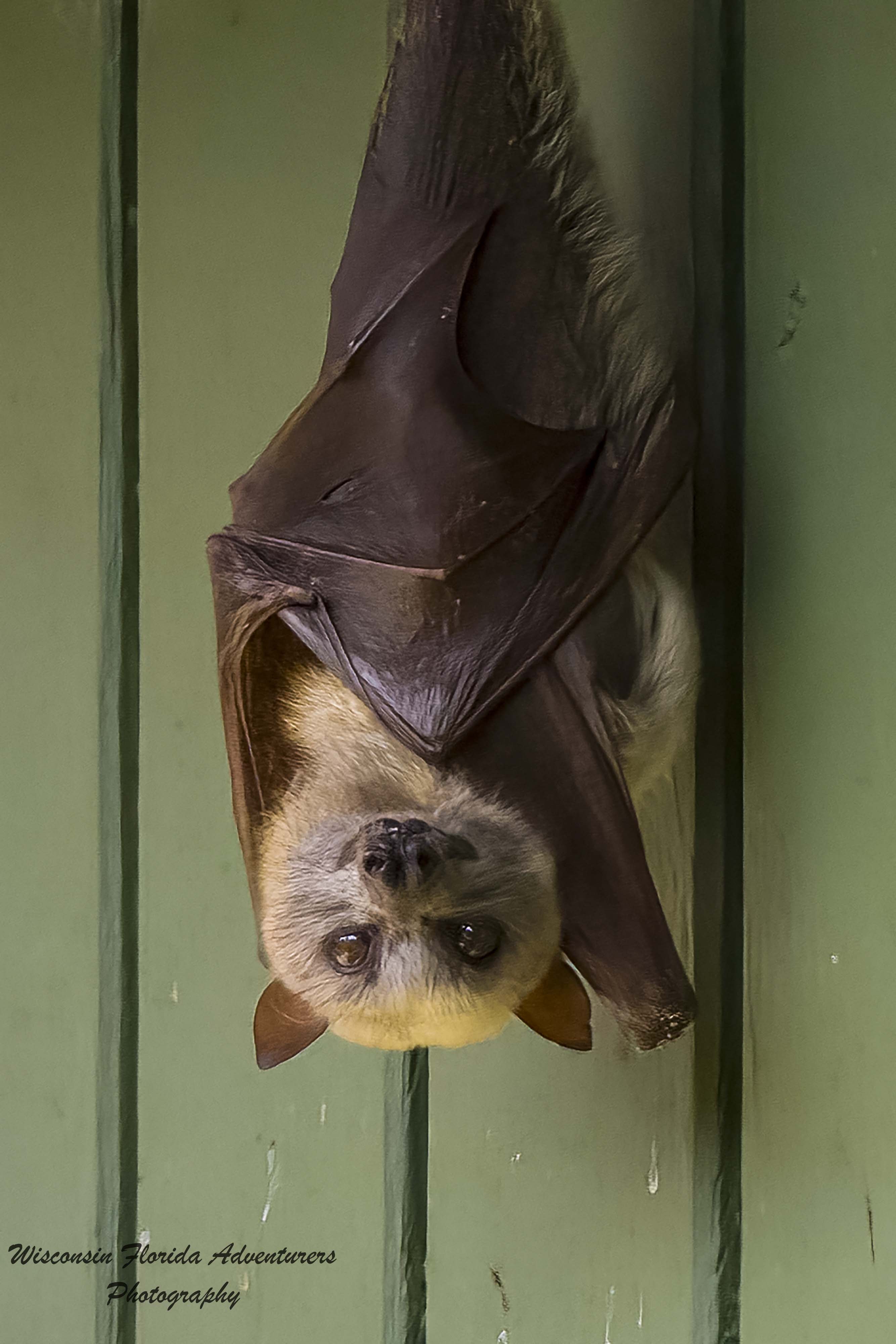
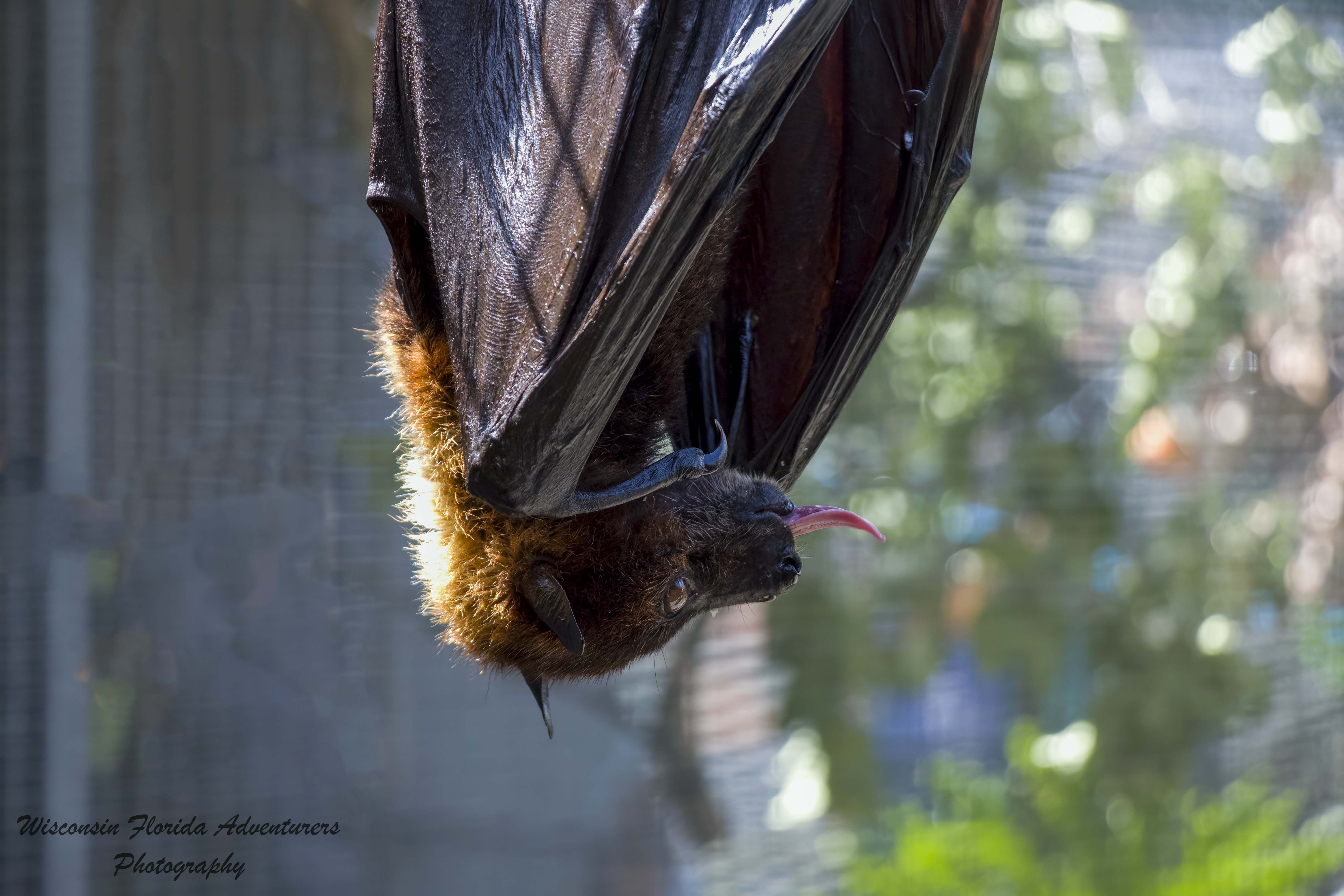
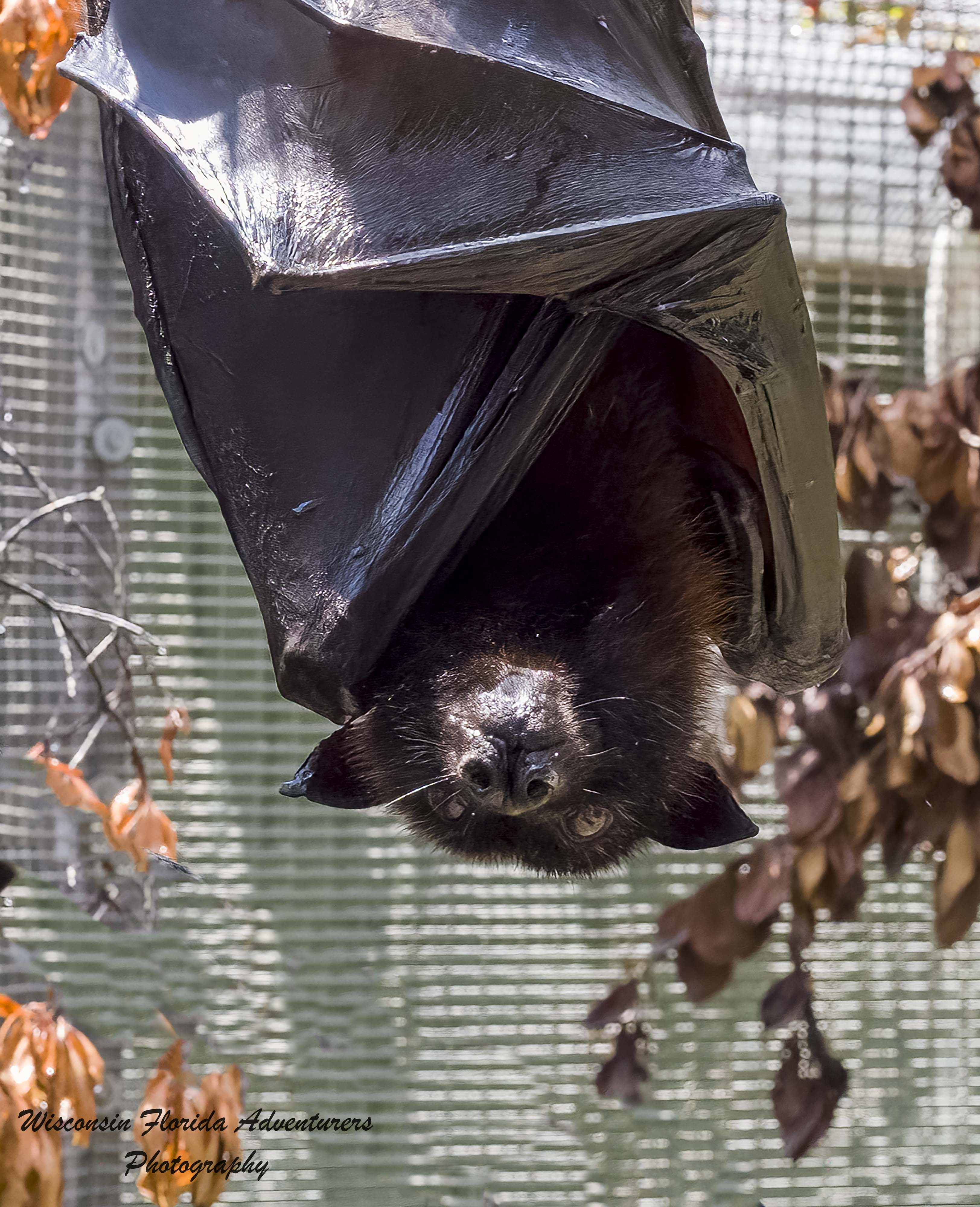
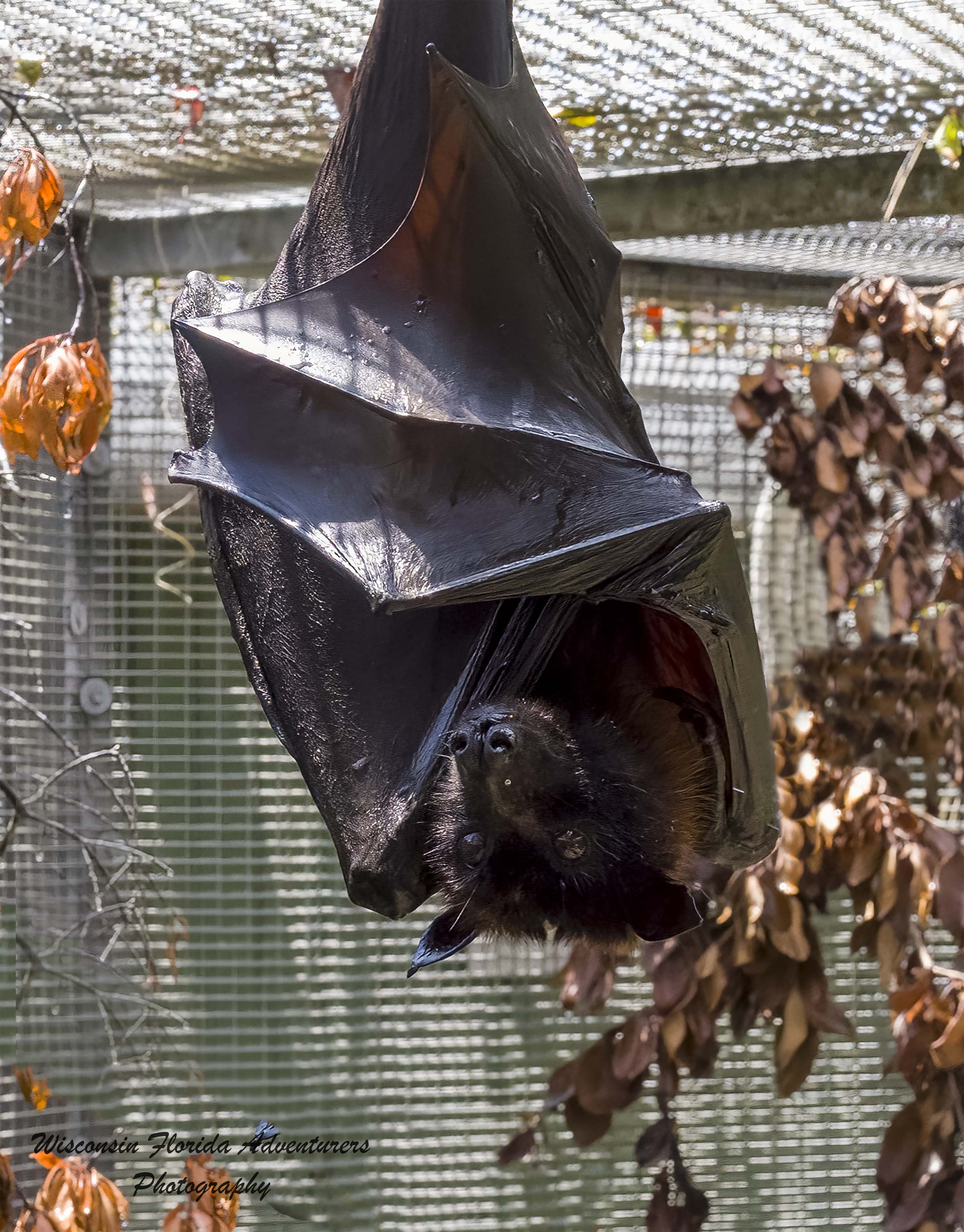
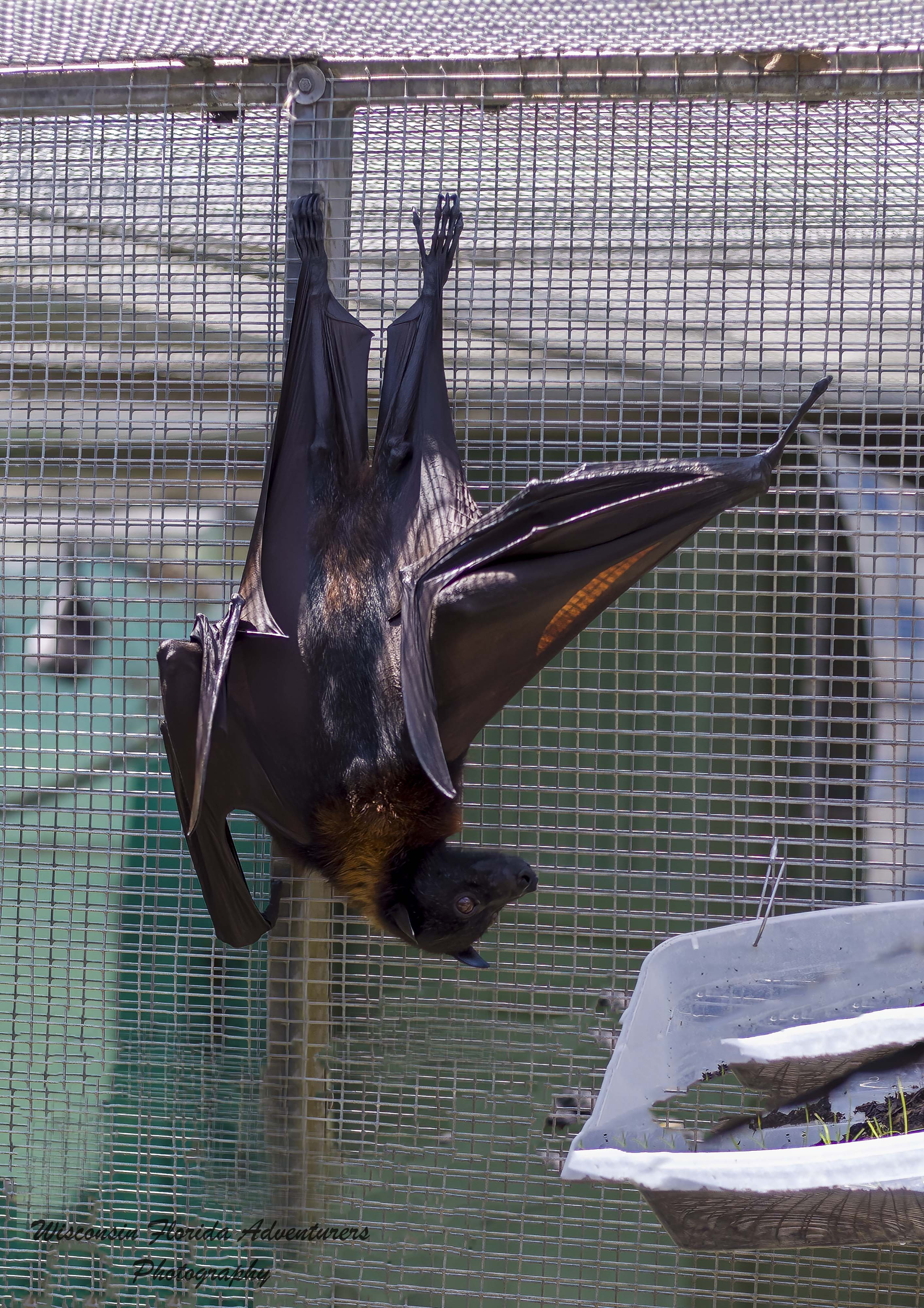
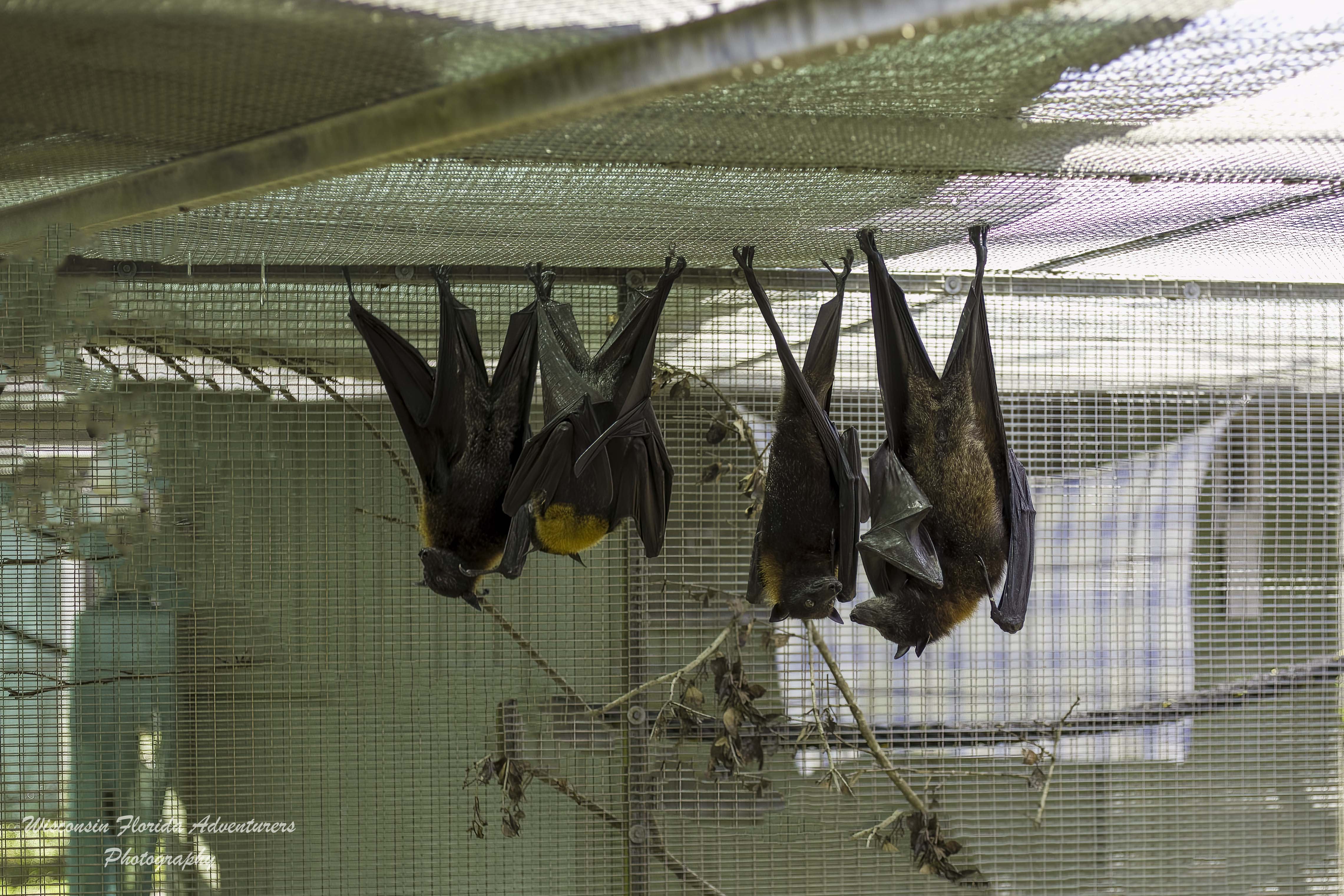
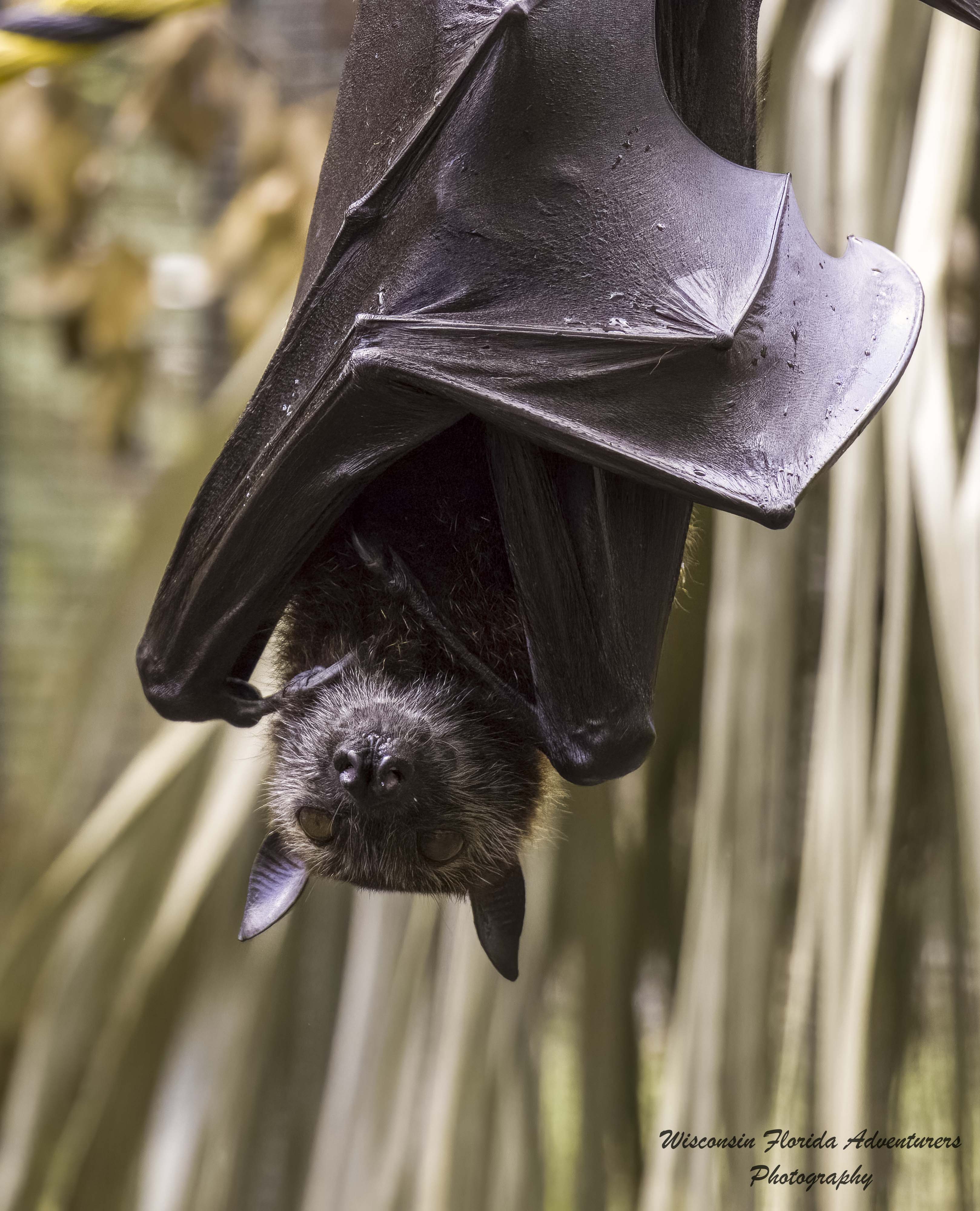
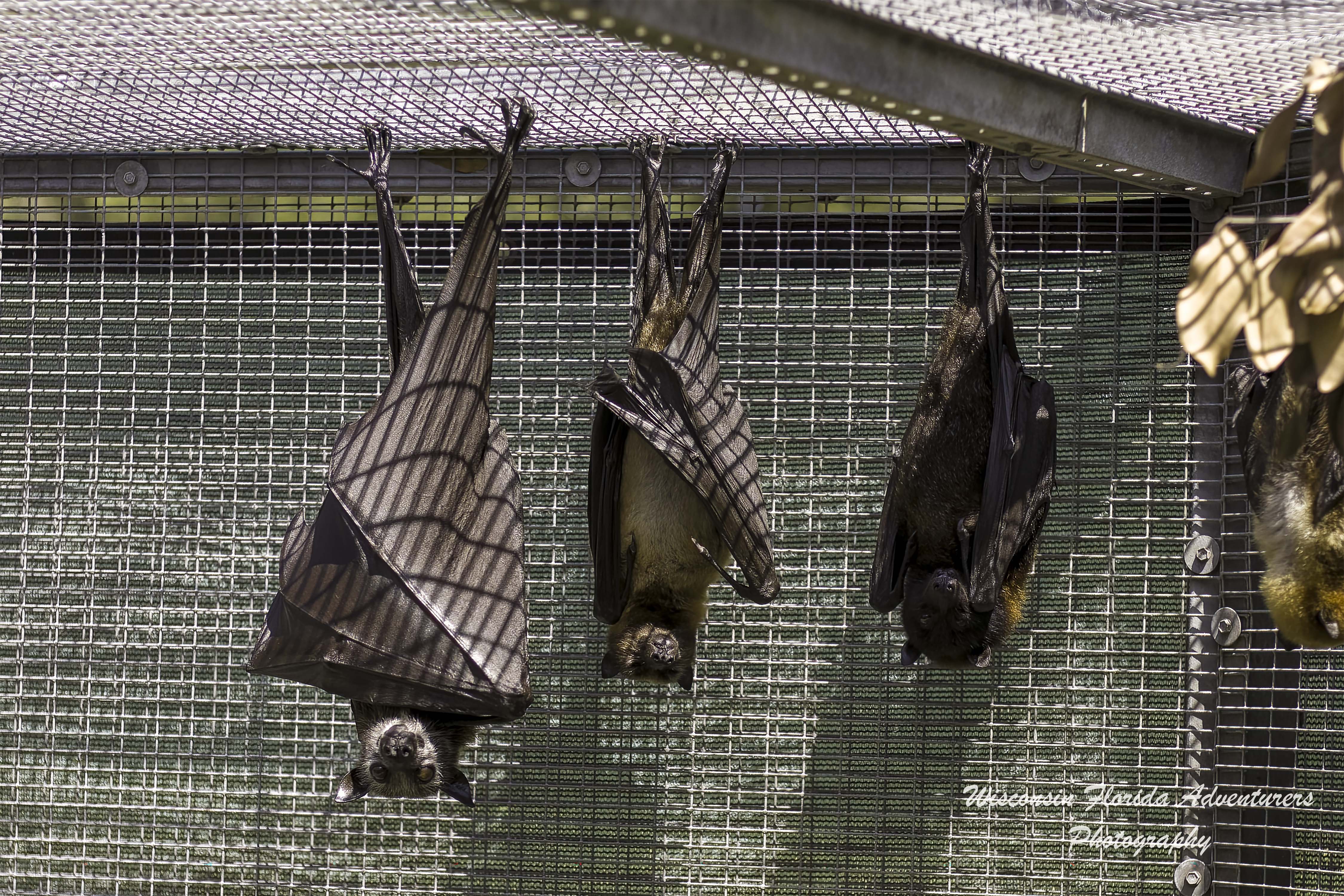
Nestled in the heart of Gainesville, Florida, lies a hidden gem for nature enthusiasts and wildlife lovers alike—the Lubee Bat Conservancy. Established in 1989, this unique conservation facility is dedicated to the preservation and study of fruit bats, also known as megabats or flying foxes. Spread across 110 acres of lush greenery, the Lubee Bat Conservancy provides a remarkable opportunity to learn about these fascinating creatures up close and personal. Let’s delve into the wonders that await within its doors.
At the core of the Lubee Bat Conservancy’s mission is the conservation and preservation of bats. With a strong focus on fruit bats, they play a vital role in maintaining the ecological balance of their habitats by pollinating flowers and dispersing seeds. The conservatory works tirelessly to protect these remarkable creatures, whose populations are under threat due to deforestation, habitat loss, and climate change.
One of the highlights of the Lubee Bat Conservancy is its commitment to education. Visitors of all ages can engage in interactive and informative experiences, gaining a deeper understanding of bats’ importance in our ecosystems. Guided tours provide a comprehensive overview of bat biology, behavior, and conservation efforts. Knowledgeable staff members offer engaging presentations, dispelling myths and misconceptions about bats while highlighting their critical role.
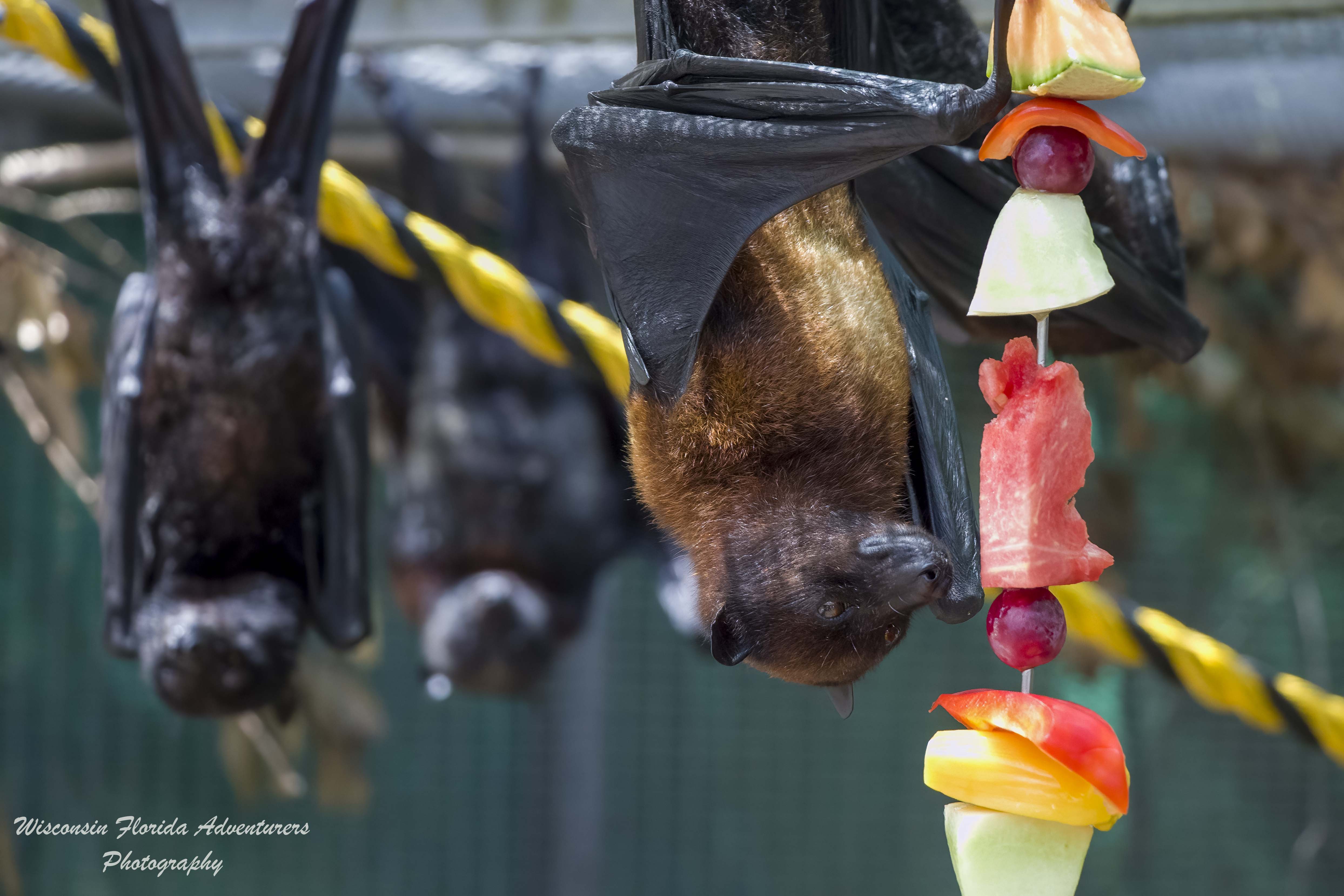
As you explore the conservatory’s expansive grounds, you’ll encounter numerous enclosures housing various species of fruit bats. The naturalistic habitats provide the bats with ample space to fly, roost, and socialize. Observing these creatures in action is an awe-inspiring experience, as you witness their graceful flight and unique behaviors. Additionally, Lubee Bat Conservancy offers visitors the opportunity to witness bat feedings—a truly memorable sight.
The Conservancy’s commitment to research and conservation extends beyond its educational endeavors. Lubee Bat Conservatory collaborates with scientists and researchers from around the world to better understand bats’ ecological importance and address the challenges they face. By studying bat behavior, ecology, and genetics, the conservatory contributes valuable insights to the scientific community. Moreover, they actively participate in conservation programs and initiatives, striving to protect bat populations and their habitats.
The Lubee Bat Conservancy stands as a beacon of hope and knowledge in the realm of bat conservation. Through its educational programs, research efforts, and commitment to preserving these extraordinary creatures, the conservatory inspires visitors to appreciate and protect bats for future generations. Whether you’re an avid nature enthusiast, a curious student, or simply seeking a unique experience, a visit to the Lubee Bat Conservancy will leave you with a profound appreciation for these often-misunderstood mammals. Embark on a journey of discovery and unlock the secrets of the bat world at this remarkable facility.
Enjoy my photo gallery of the photo shoot at Lubee Bat Conservancy
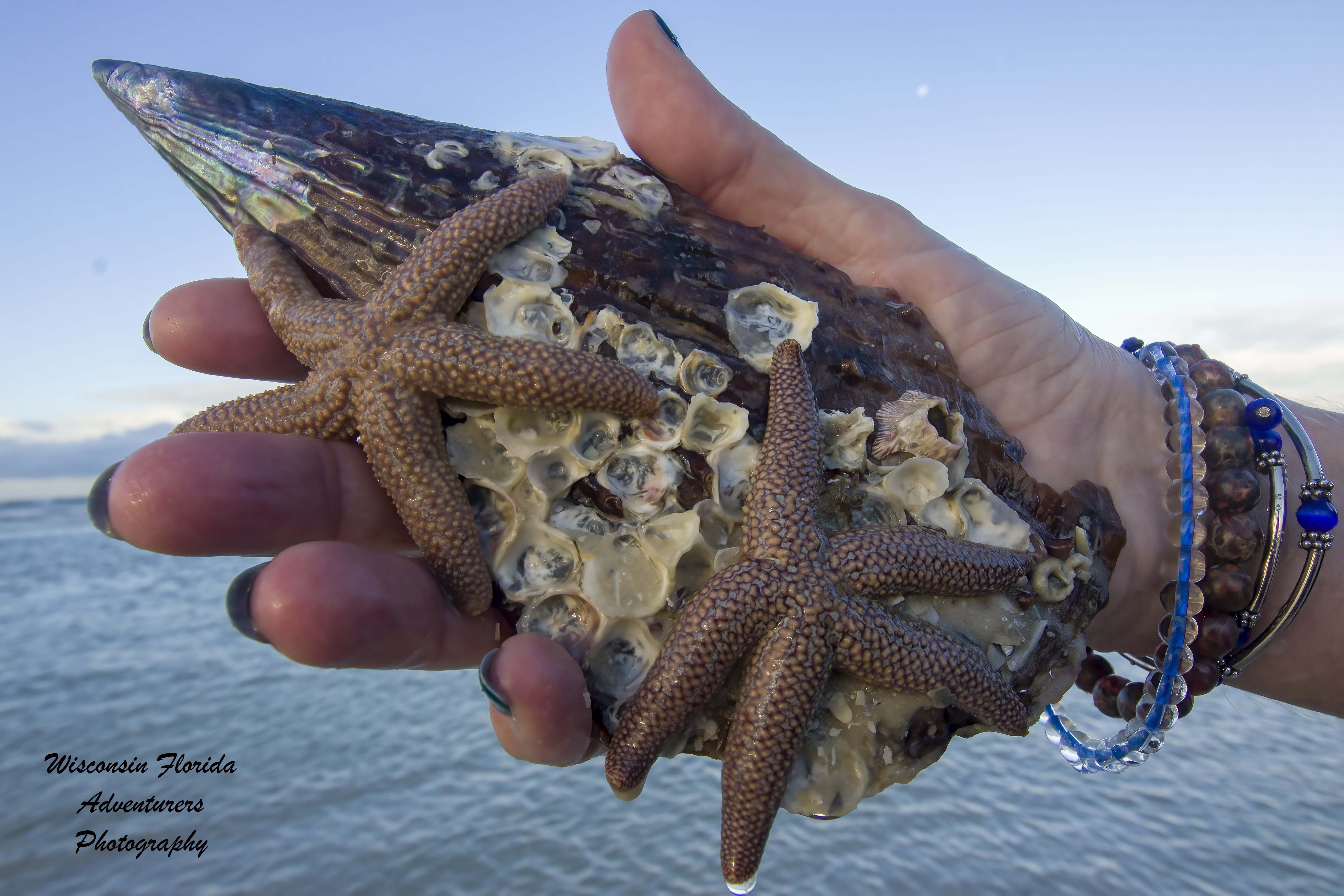
Shelling is a time-honored tradition that dates back thousands of years. It is the act of collecting shells that have washed up on shore, and it is a beloved activity for many people around the world. However, in Southwest Florida, shelling is taken to a whole new level. The area is home to some of the best shelling beaches in the world, and the sheer variety and quantity of shells that can be found there are truly remarkable.
One of the most experienced and knowledgeable shellers in the area is Ali of SWFL Shell Guide. With over 10,000 hours of shelling under her belt, Ali is a true expert when it comes to finding and identifying shells. She offers guided shelling tours in the 10,000 Island area, which is known for its abundance of shells. These tours are a great way to learn more about shelling and to find some truly amazing specimens.
So what makes shelling in Southwest Florida so special? For one thing, the area is home to a unique ecosystem that is ideal for shell formation. The warm waters of the Gulf of Mexico and the shallow, sandy bottoms provide the perfect conditions for mollusks and other shellfish to thrive. As a result, the beaches are constantly replenished with new shells, and each day brings a fresh supply of treasures to be discovered.
Another factor that sets Southwest Florida apart is the sheer variety of shells that can be found there. The area is home to hundreds of different species of mollusks, and each one creates a unique type of shell. Some of the most prized specimens include the lightning whelk, the junonia, and the alphabet cone, all of which are commonly found in the area. In addition to these more rare and valuable shells, there are also plenty of common shells to be found, such as sand dollars, scallops, and cockles.
Of course, finding these shells is not always easy. It takes a trained eye to spot them in the sand, and even then, they can be easily missed. That’s where Ali of SWFL Shell Guide comes in. With her years of experience, she knows exactly where to look for the best shells, and she can help her clients spot even the most elusive specimens. She also offers tips on how to identify different types of shells, which is helpful for those who are just starting out in the hobby.
In addition to the thrill of finding new shells, shelling in Southwest Florida also offers a glimpse into the area’s rich natural history. Many of the shells found on the beaches are hundreds or even thousands of years old, and they provide a window into the area’s past. Some of the most interesting specimens include fossilized shells from ancient sea creatures that once lived in the area. By collecting and studying these shells, shelling enthusiasts can gain a deeper appreciation for the natural world and the history of the area.
Overall, shelling in Southwest Florida is a unique and rewarding experience that is not to be missed. Whether you are a seasoned shell collector or just starting out, the area offers something for everyone. With the help of an experienced guide like Ali of SWFL Shell Guide, you can make the most of your shelling experience and discover some truly amazing treasures along the way. So if you’re planning a trip to the area, be sure to put shelling at the top of your list of things to do – you won’t regret it!
About halfway between Key Largo and Key West in the Florida Keys is a great little place called Marathon. Marathon is set on 13 islands and is known for its beaches and barrier reefs. Coco Plum Beach and Sombrero Beach are two favorites. Curry Hammock State Park is also a great place to spend some time. The Dolphin Research Center and the Turtle Hospital are on the Gulf side. If you are looking for a great places to eat, you won’t be disappointed. While we were there, we never experienced a bad meal. Be sure to call ahead for reservations or possible wait time. After your meal there is nothing like enjoying a tropical cocktail while you sit, relax and watch the sun melt into the ocean at a Tiki Bar. Experiencing a Florida Keys sunset is a fantastic way to end your day’s adventure.
Snorkeling
The Keys offer a lot. If you do decide to spend your vacation in Marathon, you will never be bored. When there, you must take one of the snorkeling or diving tours. We spent an afternoon snorkeling with Captain Hook’s.
Snorkeling off Marathon, FL
Whether you are a novice or veteran snorkeler, Captain Hook’s can accommodate you. Before you leave the dock, you will get an orientation on what you need to know while on the boat and while snorkeling. The crew is certified in water rescue and safety is always in the forefront. You can bring your own gear, or you can rent gear.
Captain Hook’s regularly visits the Sanctuary Preservation Areas (SPA’s) that are a part of the Florida Keys Marine Sanctuary. The Florida Keys Marine Sanctuary is the third largest living coral barrier reef system in the world. These are biologically important areas that help sustain critical marine habitats and species. They offer beautiful coral reef formations and a diversity of fish and some of the best diving and snorkeling in the Keys.
A couple of things to remember. Please don’t touch the coral when snorkeling. You will kill it. Bring reef safe sunscreen, but not spray on.
Rehabbing Turtle
The Turtle Hospital
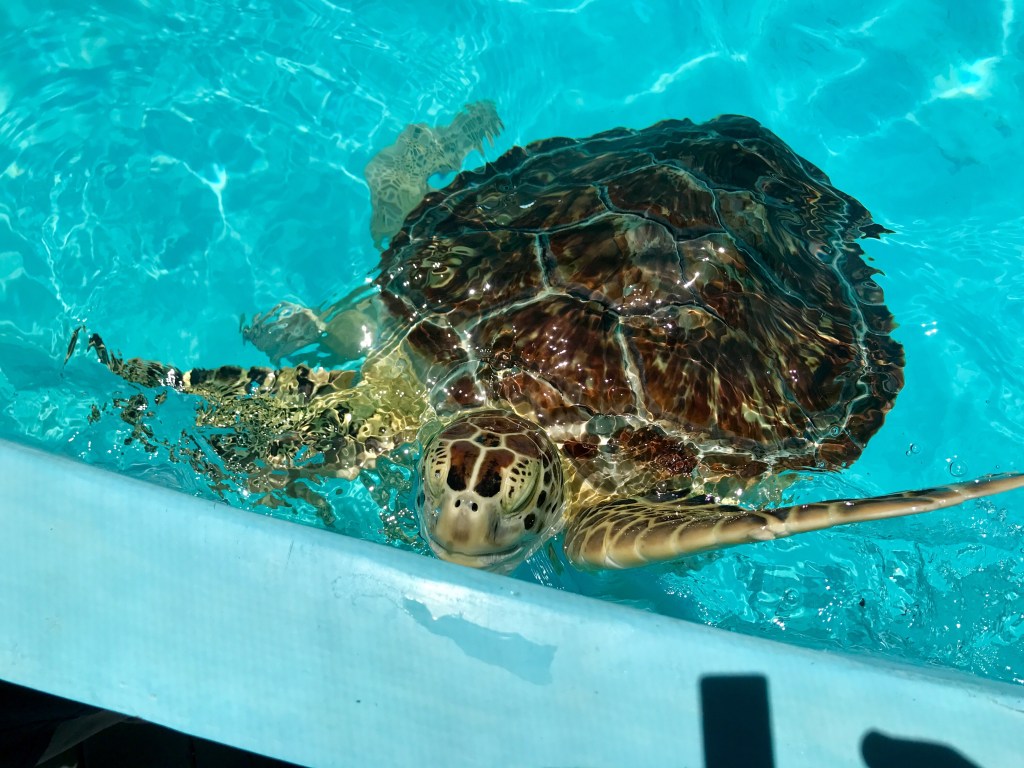
The Turtle Hospital is a fascinating place that you have to visit. The tour is highly educational. You learn about the threats to the sea turtles and how you can help keep them safe.
The tour takes about an hour. First you spend time inside where you get educated about the facilities and sea turtles in a classroom setting. The tour then takes you outside where you actually get to see the turtles that are currently being rehabilitated. You learn about how they treat various issues the turtles come in with. They will give you information on what to do if you find a sea turtle in distress.
The hospital is an amazing facility. They are successful in returning many turtles back into the wild. Some turtles have conditions that are so severe they end up living at the hospital.
Marathon Florida has plenty to do and see. Where Key West is often the ultimate destination when traveling the Keys, make sure to leave some time to enjoy some of the other islands on the way. A vacation in Marathon alone would be a wonderful time. Marathon provides plenty of sun, water activities and science.
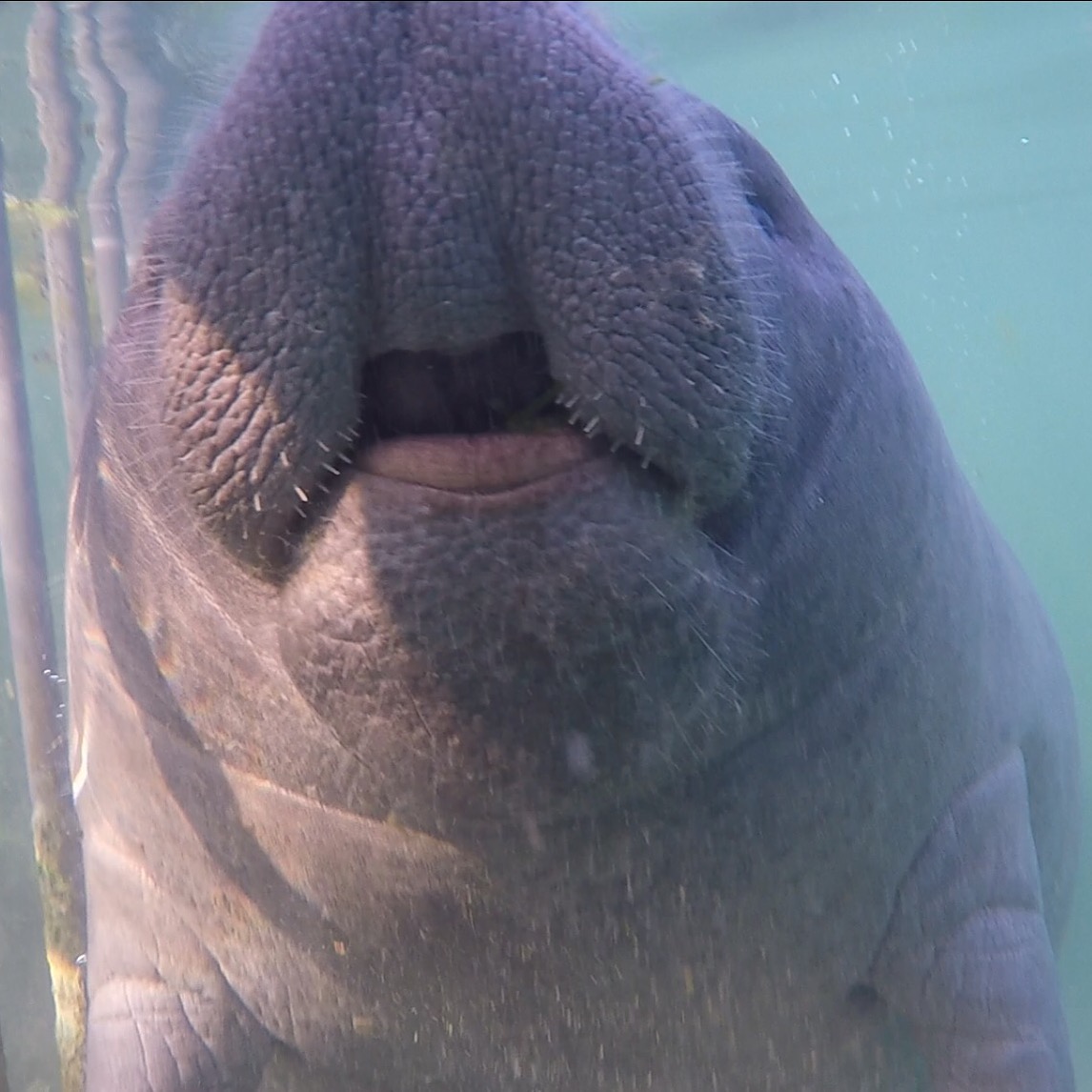
Manatees are large, fully aquatic, mostly herbivorous marine mammals sometimes known as sea cows. These creatures, who are closely related to the elephant, are extremely unique. Viewing manatees is fascinating. Swimming with them is exhilarating.
Crystal River is located near Kings Bay. The water temperature in Kings Bay is consistently 72 degrees year-round. The springs in the area are the reason for this stable water temperature. Because of the 72 degree water temperatures, large numbers of manatees migrate to the Kings Bay/Crystal River area during the winter months to escape the cold waters of the Gulf of Mexico. Some of them stay in the bay through the summer months. This creates a perfect opportunity for you to get up close and personal with these gentle giants.
There are various vehicles which allow you to view manatees from a close range. You can view them from the shore, you can kayak around the bay or you can swim with them. Yes, you can swim with these amazing creatures and Crystal River is one of the only places in Florida where you’re legally permitted to swim with manatees in their natural habitat. But before you jump in the water, be advised there a specific rules on the do’s and don’ts of interacting with the manatees.
Swimming with Manatees:
River Ventures is the tour we took when we swam with manatees. The bars you see are not cages. At the time we were there, they were in the process of re-establishing the sea grass in the area. The bars are protecting the sea grass restoration process. The manatees were free to come and go.
The tour is about 3 hours from start to finish. Before you leave for the tour, you will be fully briefed on rules surrounding this activity. You will be provided with masks, snorkels and wet suits. A photo package is available at the end of the tour, but you are welcome to take your own videos and photos.
You are brought out to the swim area by a certified Master Captain. While on the tour, you will learn many things about the manatees and the history of manatees in the Crystal River area. In the water you will be snorkeling with pool noodles which will help support you. While in the water you are only allowed to passively interact with the manatees. The pre-tour briefing will explain the do’s and don’ts of passive interaction.
River Ventures claims you will never be the same after meeting the friendly gentle giants of the sea. We can guarantee their claim is true. The experience was exhilarating and yet amazingly calming.
River ventures Tour Center is located at 498 S.E. Kings Bay Drive Crystal River, FL. You can go to http://www.riverventures.com for more information and learn how to contact them for more information, tour schedules, pricing and how to book.
Many years ago, just after getting married, I took my wife and her boys to Florida. First we spent a day at Universal Studios. Theme parks are always a blast. Then we visited the east coast. We spent some time on Cocoa Beach, Florida. The surf, sun and sand was wonderful.
Next we headed to the gulf side of Florida. We went over to Clearwater. My wife fell in love with the white sand, the surf and the sunset. That night she saw her first dolphin. We enjoyed other places during our stay, like Tarpon Springs.
Since then we returned to Florida on a regular basis. Each time we experienced amazing adventures. Our adventures do not revolve around the normal tourist attractions. Florida is so much more. Nature and wildlife are the real adventures. We loved our adventures so much we are retiring and will be living in Florida full time.
This blog will journal our adventures. Yes, some will feature the places everyone wants to go. Some will be of those hidden away gems. I hope our adventures will lead you to your adventures.























 Manatees are large, fully aquatic, mostly herbivorous marine mammals sometimes known as sea cows. These creatures, who are closely related to the elephant, are extremely unique. Viewing manatees is fascinating. Swimming with them is exhilarating.
 Many years ago, just after getting married, I took my wife and her boys to Florida. First we spent a day at Universal Studios. Theme parks are always a blast. Then we visited the east coast. We spent some time on Cocoa Beach, Florida. The surf, sun and sand was wonderful.
 Wisconsin Florida Adventurers