Florida, known for its breathtaking beaches, unique wildlife, and diverse ecosystems, has always been a haven for nature enthusiasts. However, in recent years, the state witnessed an unusual event that left both scientists and residents astounded. Hurricane Idalia, a powerful storm that made landfall in Florida in September 2023, brought with it an unexpected gift – a flock of flamingos. This essay explores the fascinating story of how Hurricane Idalia inadvertently introduced flamingos to Florida, the impact of this event on the local ecosystem, and the ongoing efforts to study and conserve these unexpected newcomers.
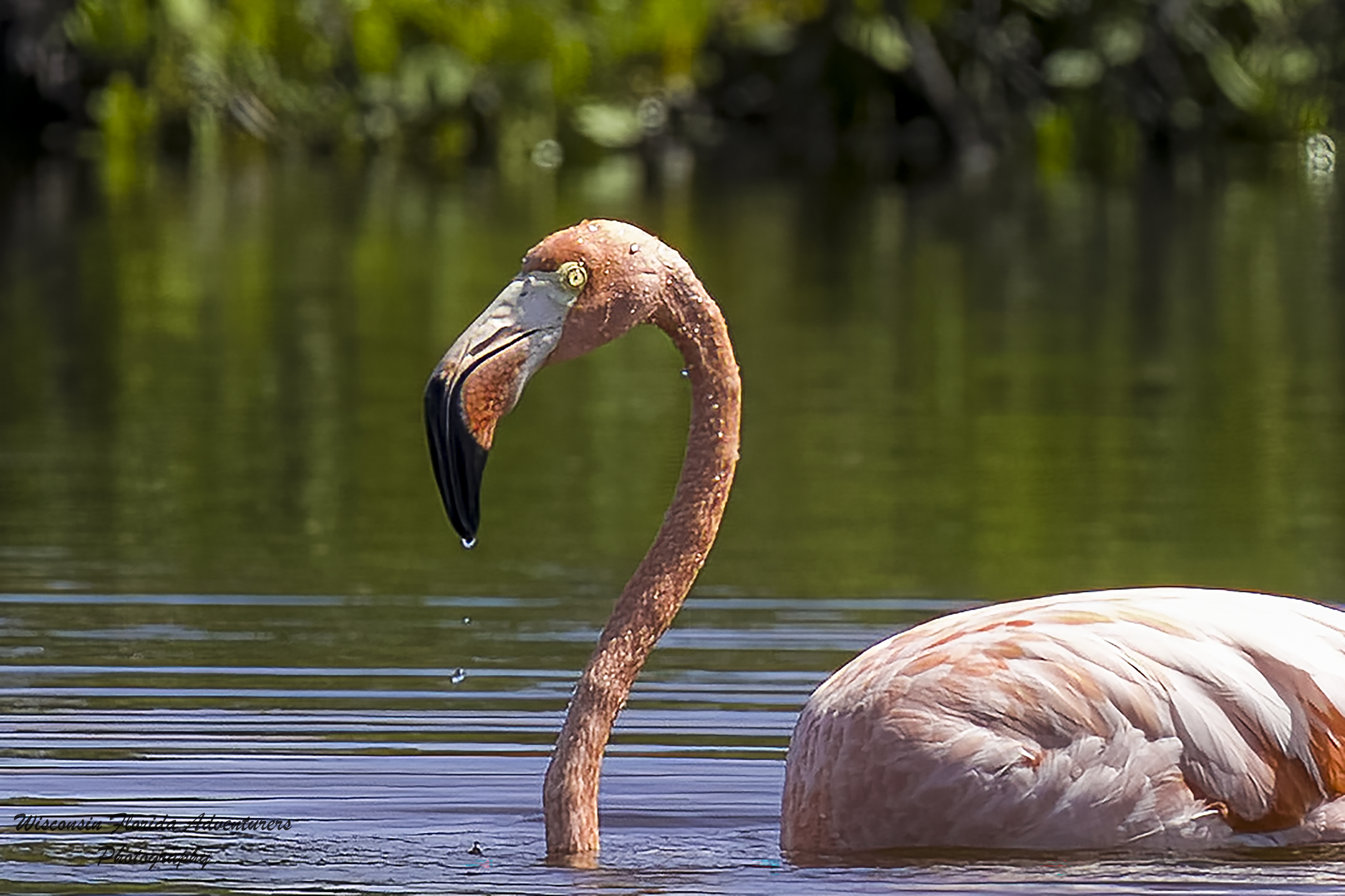
Hurricane Idalia was a Category 3 hurricane that struck the Florida coast with destructive force, causing widespread damage and flooding. While hurricanes typically bring destruction and chaos, they can also bring unexpected changes to ecosystems. In the case of Hurricane Idalia, it was the arrival of a group of Caribbean flamingos that surprised the locals and wildlife experts alike. These beautiful birds were not native to Florida but had been displaced from their natural habitat in the Caribbean by the powerful storm.
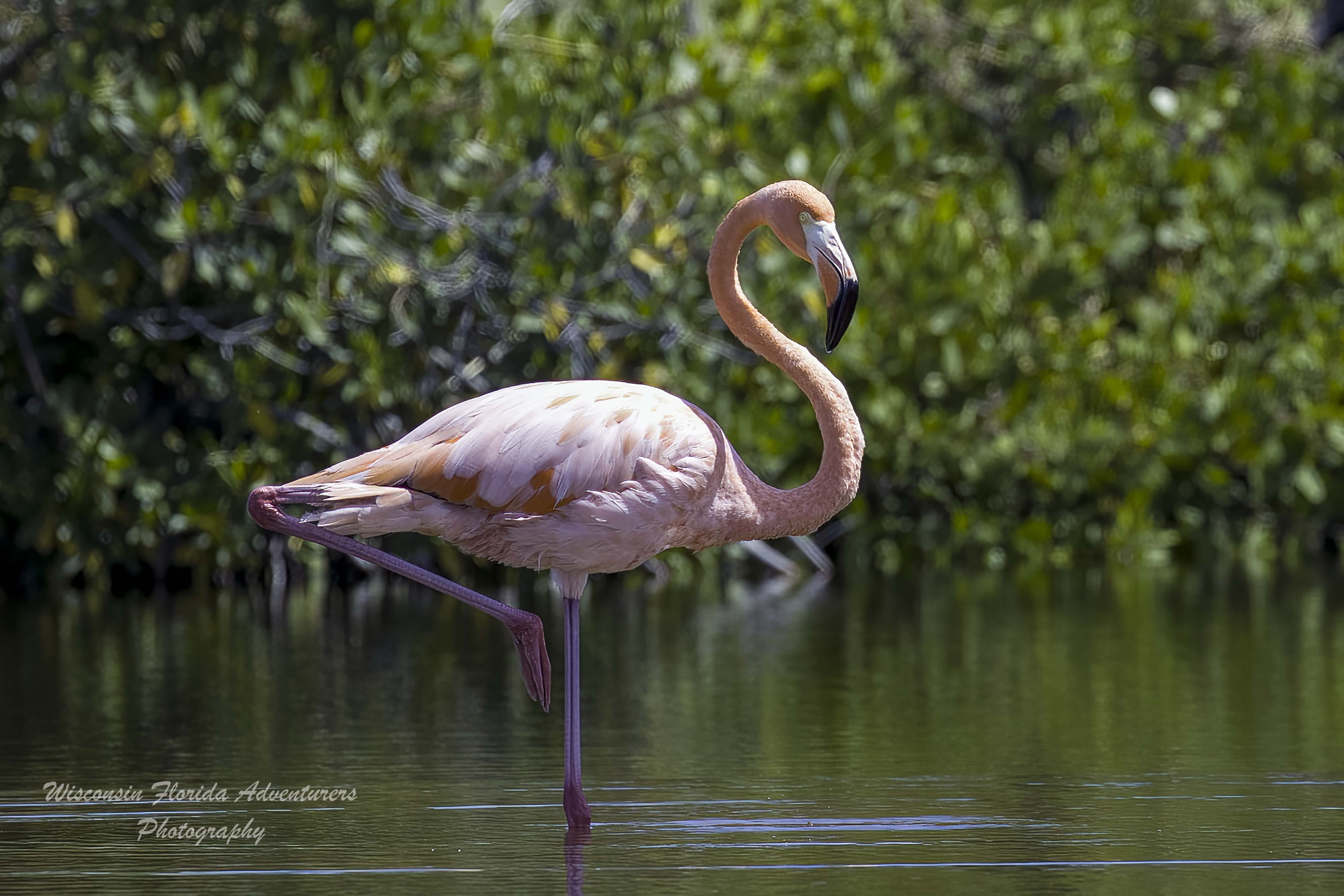
The introduction of flamingos to Florida has had both positive and negative effects on the local ecosystem. On one hand, these magnificent birds have become a tourist attraction, drawing birdwatchers, photographers, and nature enthusiasts from around the world. The vibrant pink plumage and elegant appearance of flamingos have made them a popular subject for photography and wildlife observation. This influx of tourists has provided a boost to the local economy, especially in areas where flamingos have been spotted.
Moreover, the arrival of flamingos has also sparked increased interest in bird conservation efforts. Local and national conservation organizations have seized the opportunity to raise awareness about the importance of preserving and protecting Florida’s unique ecosystems. This newfound appreciation for the environment has led to initiatives aimed at conserving not only flamingos but also other native species and their habitats.
However, the sudden presence of flamingos has also raised concerns among ecologists and environmentalists. While these birds have become a novelty in Florida, their introduction to the ecosystem has the potential to disrupt the balance of native species and their habitats. Flamingos are filter feeders, primarily consuming aquatic invertebrates, algae, and small fish. Their feeding habits could impact the availability of resources for native waterfowl and other aquatic species.

Furthermore, flamingos are known to nest in large colonies, and their presence could lead to competition for nesting sites with native wading birds. This competition for limited resources and space could potentially have negative consequences for the local bird populations. Therefore, it is essential to closely monitor the interactions between flamingos and native species to assess any long-term ecological impacts.
In response to the unexpected arrival of flamingos, research and conservation efforts have been initiated to better understand their behavior, movements, and potential impact on the Florida ecosystem. Scientists and wildlife experts have been conducting studies to track the flamingos’ movements, nesting behavior, and diet to assess their ecological role in the region.
One of the key research areas is studying the flamingos’ migratory patterns. Understanding where these birds came from and how they arrived in Florida is essential for predicting their long-term presence in the state. By tracking their movements and genetic markers, researchers hope to uncover the origins of these flamingos and whether they might continue to migrate to Florida in the future.
Conservation organizations have also initiated public awareness campaigns to educate residents and tourists about the importance of coexisting with these unexpected newcomers while minimizing their impact on the local environment. Birdwatching tours and educational programs have become popular activities, allowing people to appreciate the beauty of flamingos while respecting their natural behaviors and habitats.
The arrival of flamingos in Florida as a result of Hurricane Idalia is a fascinating and unexpected event that has captured the imagination of many. While these birds have become a symbol of resilience and adaptability in the face of natural disasters, they also bring both opportunities and challenges to the local ecosystem.
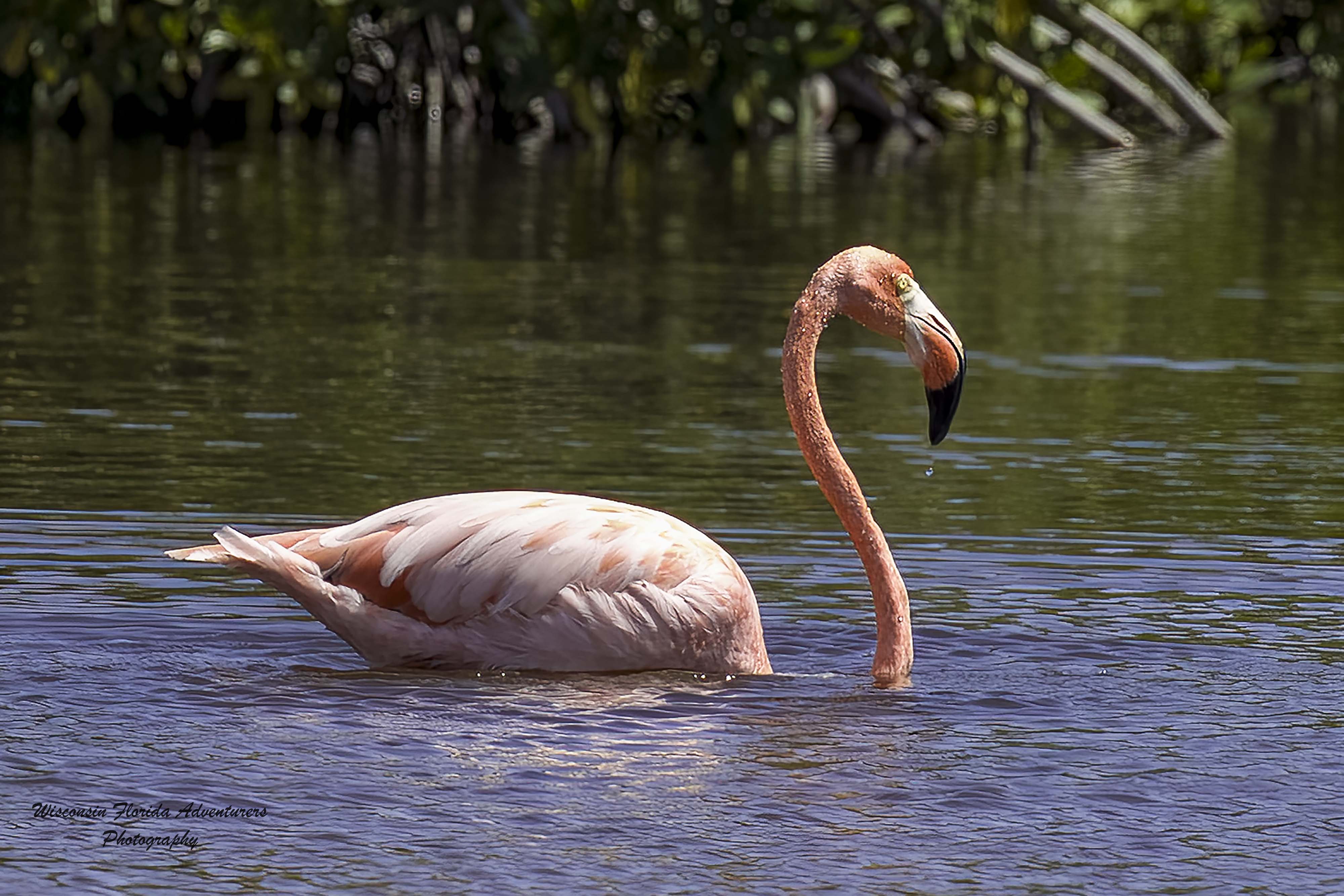
Flamingos have become a captivating addition to Florida’s wildlife and a source of inspiration for conservation efforts. Their presence highlights the interconnectedness of ecosystems and the need for continued research and conservation to protect both native and introduced species.
As Florida continues to adapt to this unexpected change, it is crucial to strike a balance between celebrating the beauty of flamingos and preserving the delicate ecological balance of the region. By studying these unexpected newcomers and implementing sustainable conservation strategies, Florida can ensure that its unique ecosystems remain a treasure for generations to come.
The photos of these Flamingos were taken at Honeymoon Island State Park.

This photo is for sale on my Etsy Shop. Click here for link.
 Wisconsin Florida Adventurers