Imagine a place where the serene beauty of nature meets the architectural marvel of human ingenuity – that’s Sea Horse Key! Located off the Gulf Coast of Florida, this small island has long been a well-kept secret among those seeking an authentic coastal experience. One of its most fascinating features is the historic lighthouse perched majestically on the highest spot of the island. Join me as I delve into the enchanting world of Sea Horse Key and the captivating history of its iconic lighthouse.
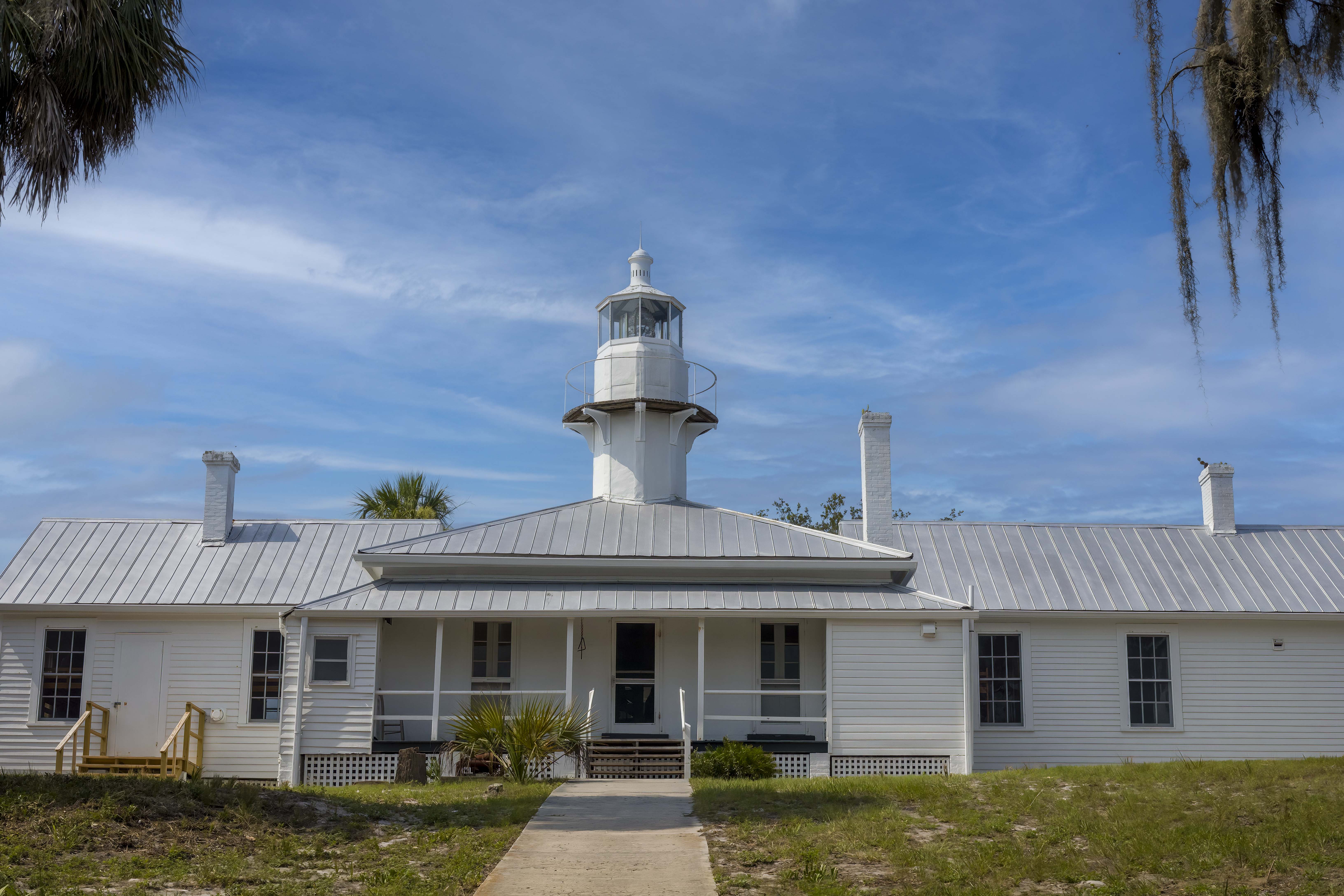
Sea Horse Key is a haven for nature enthusiasts and history buffs alike. The island, surrounded by the pristine waters of the Gulf of Mexico, is accessible only by boat, adding to its allure of seclusion and tranquility. Its name is derived from the abundance of sea horses that once populated the area, making it a sanctuary for these mesmerizing creatures.
Today, the island is part of a protected wildlife refuge, making it a prime spot for wildlife observation and birdwatching. From pelicans gracefully soaring above the waves to sea turtles nesting on its sandy shores, Sea Horse Key offers a unique glimpse into Florida’s diverse ecosystem.
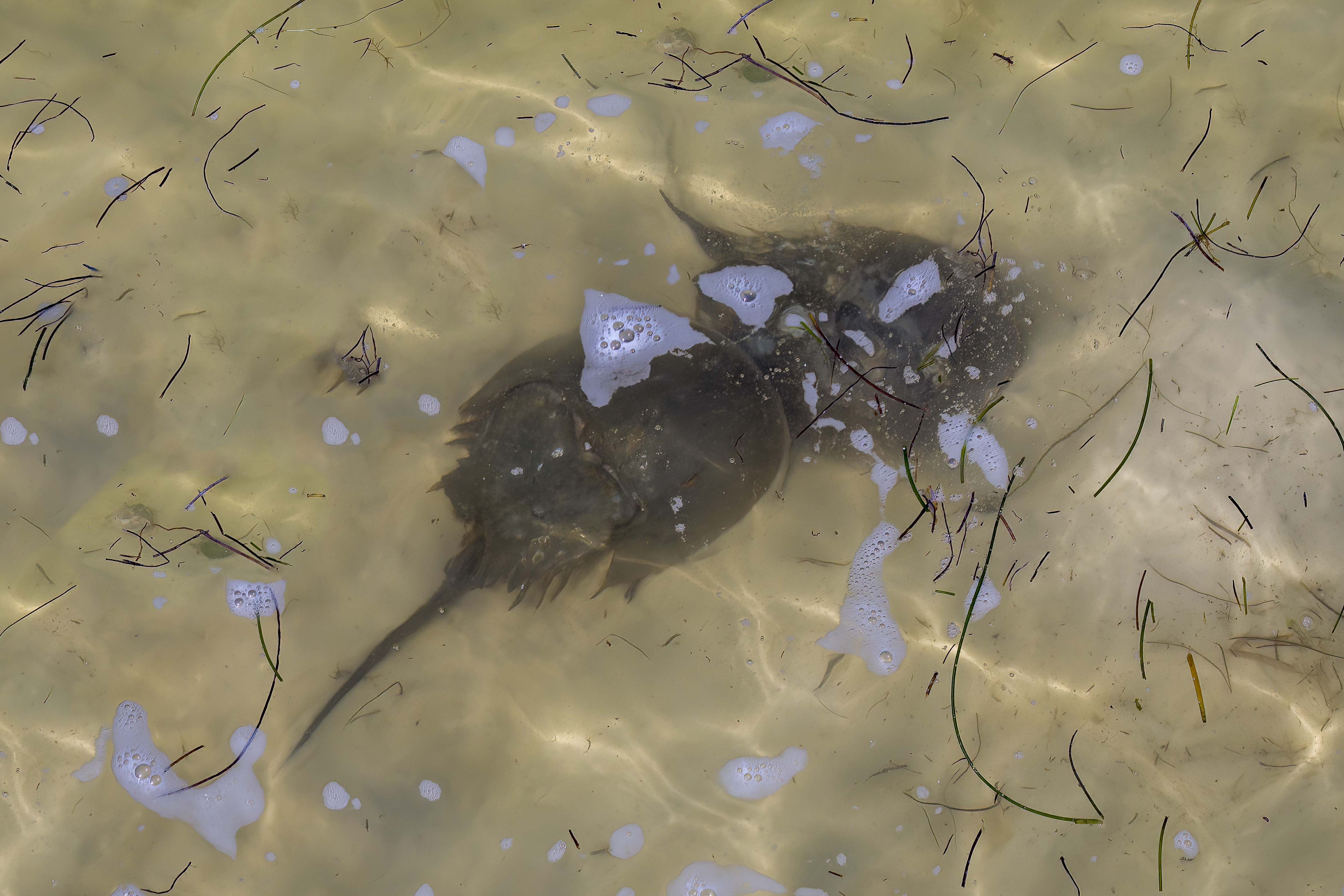
At the heart of the island stands the remarkable Sea Horse Key Lighthouse, a beacon of history that has withstood the test of time. Built in the mid-19th century, the lighthouse served as a crucial guide for mariners navigating the treacherous waters of the Gulf Coast. Its light, emanating from its lantern room high above the ground, provided a reassuring signal to ships approaching the coast.
The construction of the lighthouse began in 1854, with the main structure standing at an impressive 52 feet tall. Over the years, it underwent several modifications and improvements to enhance its efficiency and reliability. However, the site faced its share of challenges, including severe storms and erosion that threatened its existence.

Visiting the Sea Horse Key Lighthouse is like stepping back in time. As you climb the winding staircase leading to the lantern room, you’ll be surrounded by the echoes of the past. The walls whisper tales of the brave lighthouse keepers who tended to the light, ensuring its continuous operation through rain or shine.
As with many historical landmarks, the Sea Horse Key Lighthouse faced the constant threat of deterioration due to natural elements and time. Fortunately, local communities and preservation organizations recognized the importance of safeguarding this cultural treasure. Their relentless efforts to restore and maintain the lighthouse have ensured that future generations can appreciate its significance.
Volunteer groups and fundraising initiatives have played a crucial role in the preservation process. Events, such as guided tours and educational programs, have not only generated funds but also increased awareness about the island’s ecological importance and its historical legacy.
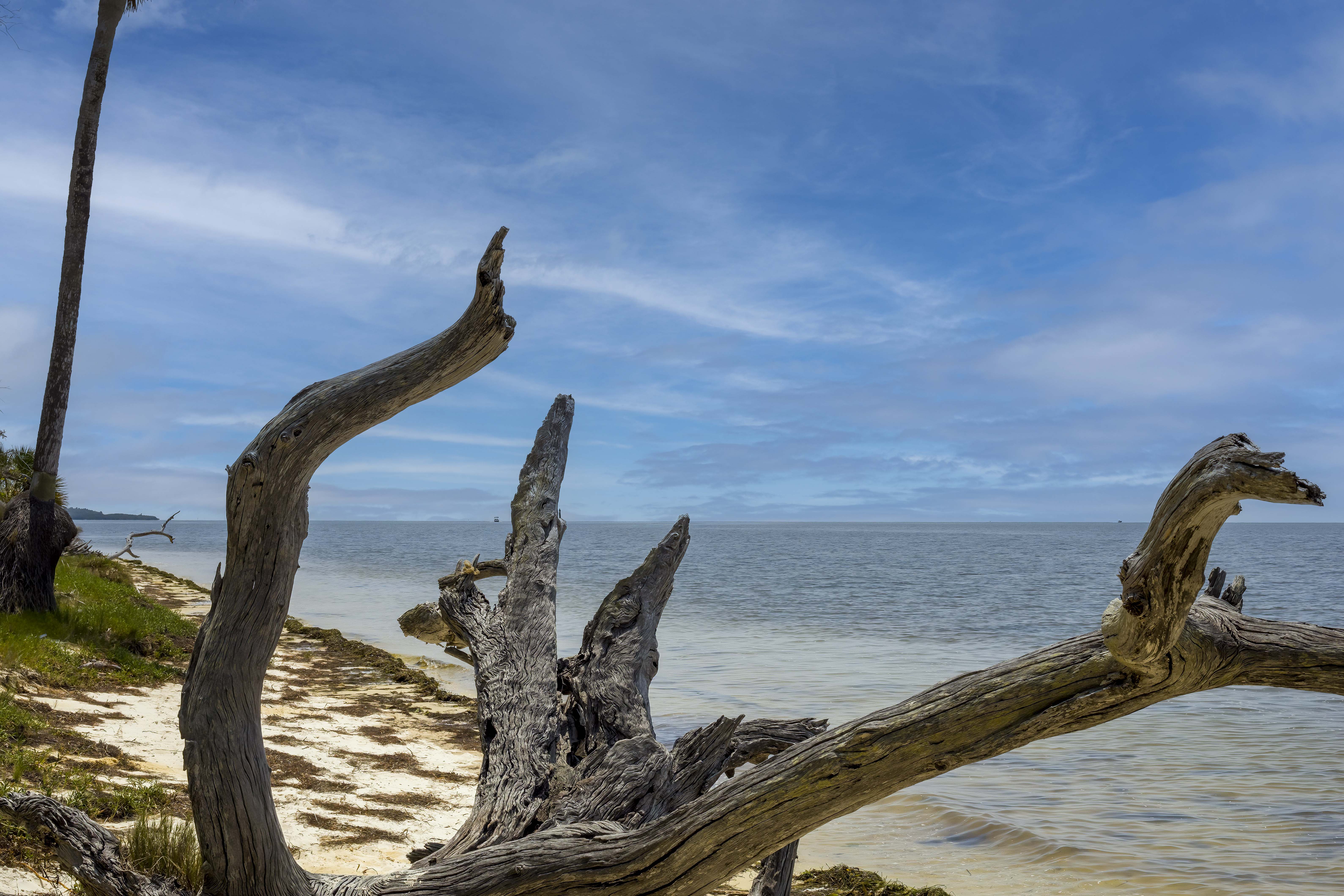
Today, Sea Horse Key remains a well-preserved paradise that beckons adventurers, history enthusiasts, and nature lovers alike. To experience the magic of this coastal gem, plan a trip that includes a visit to the island and its iconic lighthouse.
As you approach the island by boat, be prepared to be greeted by the gentle sea breeze and the faint calls of shorebirds. The moment you step ashore, you’ll feel a profound connection with nature, surrounded by the sights and sounds of unspoiled beauty.

Sea Horse Key and its lighthouse embody the charm of Florida’s coastal history and natural wonders. From its role as a guiding light for mariners of the past to its current status as a sanctuary for wildlife and visitors alike, this hidden gem continues to captivate hearts and minds.
If you ever find yourself yearning for an escape from the hustle and bustle of modern life, set sail for Sea Horse Key. Let the island and its lighthouse cast their spell on you, transporting you to a place where time seems to stand still, and the beauty of the world unfolds before your eyes.


 Wisconsin Florida Adventurers