The world beneath the waves holds countless wonders, and one of its most captivating inhabitants is the majestic whale shark. As the largest fish in the ocean, these gentle giants have fascinated and inspired awe in both scientists and nature enthusiasts. Today I will delve into the remarkable world of whale sharks and uncover the secrets of their existence.

Measuring up to 40 feet long and weighing several tons, whale sharks are true behemoths. Their elongated bodies are adorned with a distinctive pattern of pale spots and stripes, adding to their charm. These magnificent creatures have wide, flattened heads with enormous mouths that can reach up to five feet in width. Their mouths are specially adapted to filter feed, as they glide through the water with grace and elegance.
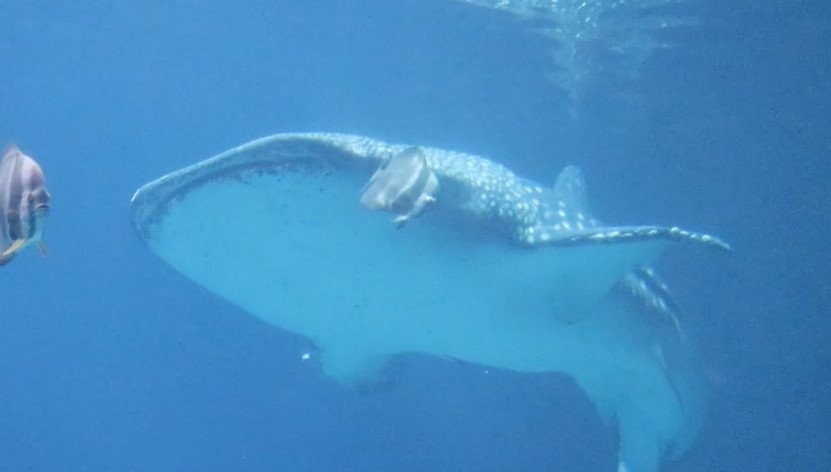
Despite their immense size, whale sharks are gentle and pose no threat to humans. They are docile creatures with a friendly demeanor, making them a favorite among divers and snorkelers. These gentle giants have a calm and curious nature, often allowing humans to swim alongside them. Witnessing their massive bodies gliding effortlessly through the water is an awe-inspiring experience that leaves an indelible mark on the hearts of those fortunate enough to encounter them.
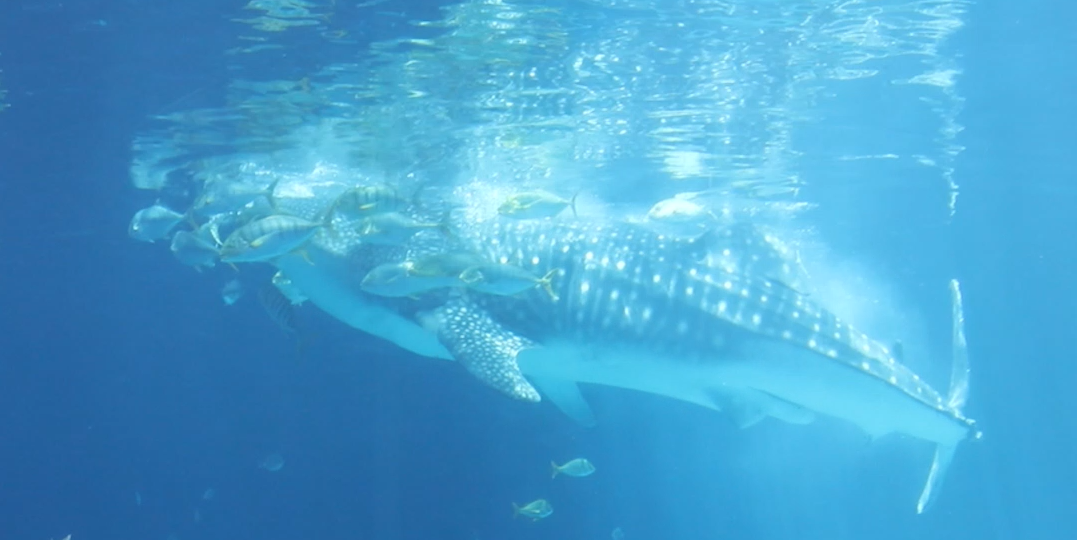
Whale sharks are known for their extensive migration patterns, traveling great distances across the world’s oceans. While scientists are still uncovering the mysteries of their migrations, it is believed that they follow food sources and warm waters. They often congregate in certain areas where plankton, their primary food source, blooms abundantly. Destinations like Mexico’s Isla Holbox, the Maldives, and the Philippines’ Donsol are renowned hotspots for whale shark sightings, attracting tourists and researchers alike.
One of the most fascinating aspects of whale sharks is their unique feeding method. Despite their massive size, they sustain themselves by consuming tiny organisms, such as plankton, krill, and small fish. As they swim with their mouths agape, water rushes in, carrying the prey. The whale shark’s elaborate gill rakers filter out the food while allowing water to escape, ensuring efficient feeding. This filter-feeding mechanism enables them to extract enough nutrition from their surroundings to support their enormous bodies.

Whale sharks face various threats, including habitat degradation, pollution, and accidental entanglement in fishing nets. To protect these magnificent creatures, conservation efforts have been initiated worldwide. Many countries have established marine sanctuaries and implemented regulations to ensure responsible tourism and limit human impact. Researchers and conservation organizations also study whale sharks to better understand their behavior, reproductive patterns, and migratory routes.
Whale sharks are extraordinary creatures that grace our oceans with their presence. Their sheer size, gentle nature, and unique feeding habits make them an awe-inspiring sight to behold. By fostering awareness, supporting conservation efforts, and respecting their natural habitats, we can ensure the continued existence of these incredible giants for generations to come.
 Wisconsin Florida Adventurers