Month: June 2023

Predators of the Sea: Exploring Hammerhead Sharks, Sand Tiger Sharks, Silky Sharks, Silvertip Sharks, and Tiger Sharks at the Georgia Aquarium

Welcome to the Georgia Aquarium, home to an extraordinary array of marine life. Among the most captivating exhibits is the Predators of the Sea, where visitors can witness the awe-inspiring presence of hammerhead sharks, sand tiger sharks, silky sharks, silvertip sharks, and tiger sharks. I would like to dive into the depths of these fascinating creatures, exploring their unique characteristics, habitats, and the vital role they play in maintaining the delicate balance of the marine ecosystem.

The hammerhead sharks are undoubtedly the stars of the Predators of the Sea exhibit. Known for their distinctive hammer-shaped heads called cephalofoils, these magnificent creatures are a marvel of nature. Their unique head structure provides them with enhanced sensory perception and increased maneuverability, making them exceptional hunters. Hammerhead sharks prefer warmer waters and are found in oceans worldwide. They are known for their exceptional vision and are skilled at locating prey, including fish, squid, and even other sharks. With their intimidating appearance, these predators are truly a sight to behold.

The sand tiger sharks, often referred to as ragged-tooth sharks, may initially appear menacing with their sharp teeth protruding from their mouths. However, they are generally docile and pose little threat to humans. Their slender bodies and impressive size make them a captivating sight in the Georgia Aquarium’s exhibit. Sand tiger sharks inhabit coastal waters and are known for their ability to gulp air from the surface, allowing them to hover motionless in the water. Despite their intimidating appearance, they mainly feed on small fish, crustaceans, and squid. These sharks play an essential role in maintaining the balance of marine ecosystems by regulating the population of their prey species.

Silky sharks are named after their smooth skin texture, distinguishing them from other shark species. With their slender bodies and long, rounded snouts, they are built for speed and agility. These pelagic sharks are commonly found in tropical and subtropical oceans, and they often travel in schools. Silky sharks primarily feed on fish and cephalopods, using their sharp teeth to capture their prey. While they are not considered a significant threat to humans, their impressive hunting techniques and graceful swimming make them a remarkable addition to the Predators of the Sea exhibit.

Silvertip sharks are renowned for their striking appearance, characterized by the silver-tipped dorsal fins and caudal fins. These sharks are known to inhabit the waters of the Indo-Pacific region, where they patrol reefs and open ocean areas. As apex predators, they play a crucial role in maintaining the health and diversity of coral reef ecosystems. Silvertip sharks are opportunistic hunters, feeding on a variety of prey, including bony fish, cephalopods, and even seabirds. Visitors to the Georgia Aquarium can observe these majestic creatures gracefully gliding through the water, showcasing their natural beauty.

Last but not least, the tiger sharks, often regarded as the “garbage cans” of the ocean due to their voracious appetite and diverse diet. These formidable predators are known for their distinctive vertical stripes and broad heads, equipped with powerful jaws filled with sharp, serrated teeth. Tiger sharks have an exceptionally wide range, found in warm oceanic waters across the globe. With their keen sense of smell and sharp eyesight, they are highly skilled hunters, preying on a wide variety of marine life, including fish, seals, turtles.
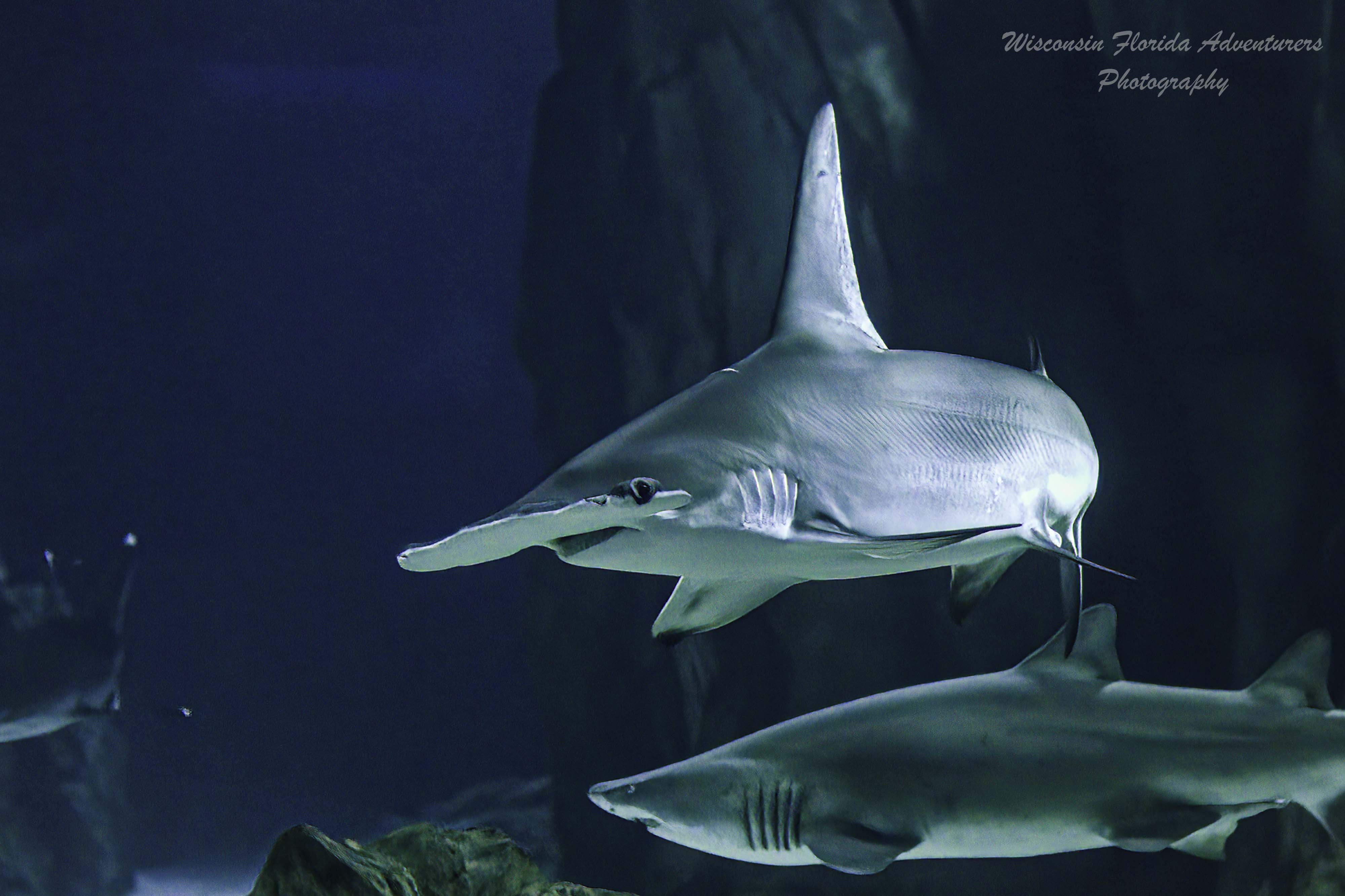
The Georgia Aquarium’s “Predators of the Sea” exhibit offers an awe-inspiring and educational experience that showcases the remarkable diversity and power of marine predators. With its captivating displays and immersive presentations, this exhibit leaves visitors with a deep appreciation for the fascinating creatures that inhabit our oceans.
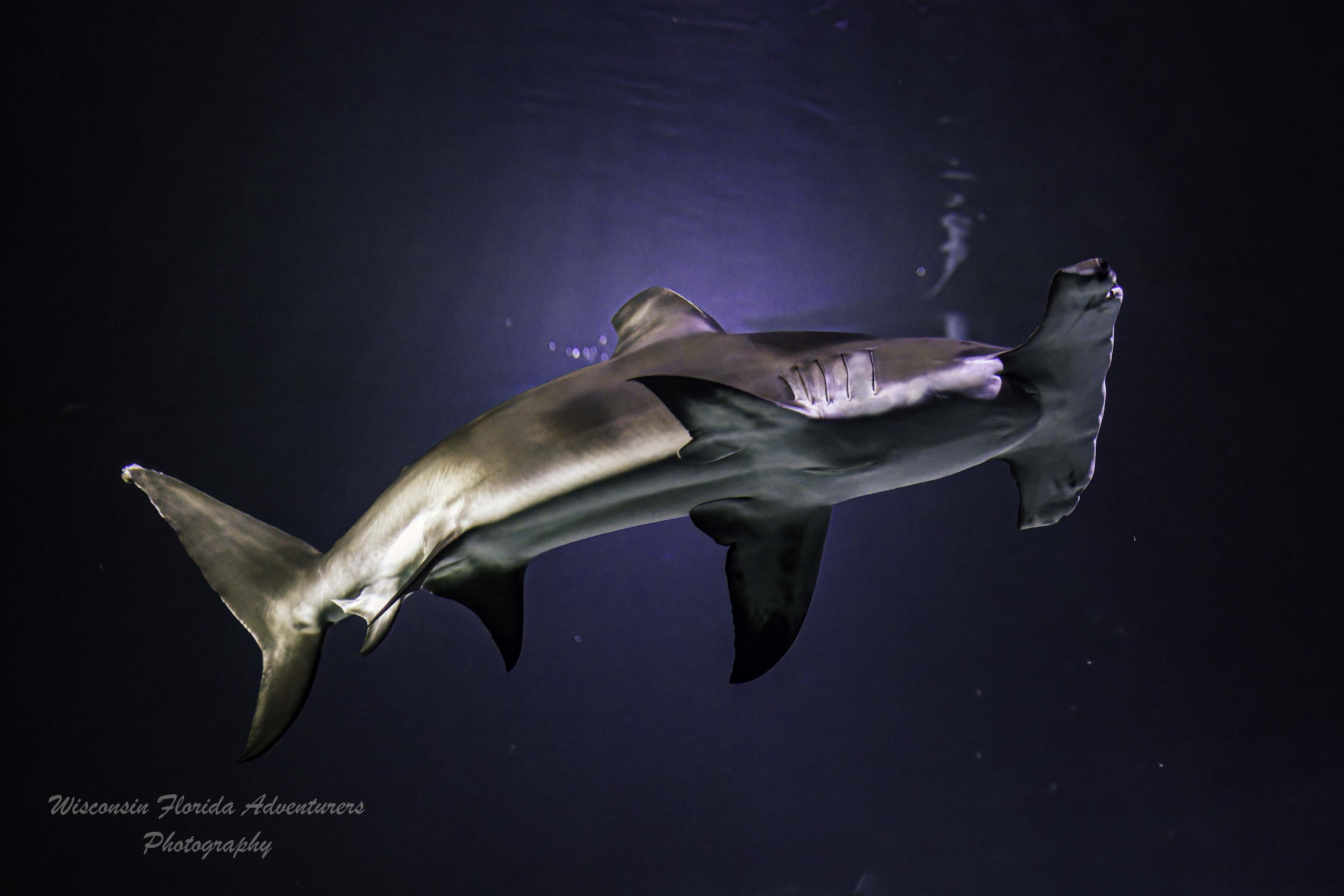
The exhibit’s carefully designed habitats provide a realistic and natural environment for the predators, allowing visitors to witness their strength and agility up close. From the graceful movements of the sharks to the lightning-fast strikes of the barracudas, each predator is a testament to the remarkable adaptations that have evolved over millions of years.

Moreover, the Georgia Aquarium’s commitment to conservation and research shines through in the exhibit. By highlighting the threats faced by these apex predators in the wild, visitors are made aware of the urgent need to protect and preserve their habitats. The educational materials and interactive displays also emphasize the importance of sustainable practices and the role each individual can play in safeguarding our oceans.

Overall, the “Predators of the Sea” exhibit at the Georgia Aquarium provides an extraordinary glimpse into the captivating world of marine predators. It inspires awe, fosters awareness, and encourages conservation efforts, making it a must-see attraction for visitors of all ages. By promoting a deeper understanding and respect for these remarkable creatures, the exhibit plays a vital role in nurturing a sense of stewardship for our oceans and their inhabitants.

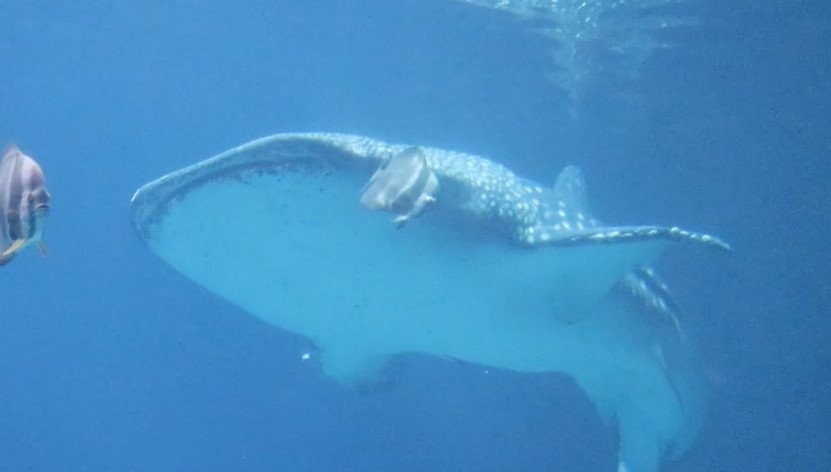
The Majestic Whale Shark

The world beneath the waves holds countless wonders, and one of its most captivating inhabitants is the majestic whale shark. As the largest fish in the ocean, these gentle giants have fascinated and inspired awe in both scientists and nature enthusiasts. Today I will delve into the remarkable world of whale sharks and uncover the secrets of their existence.

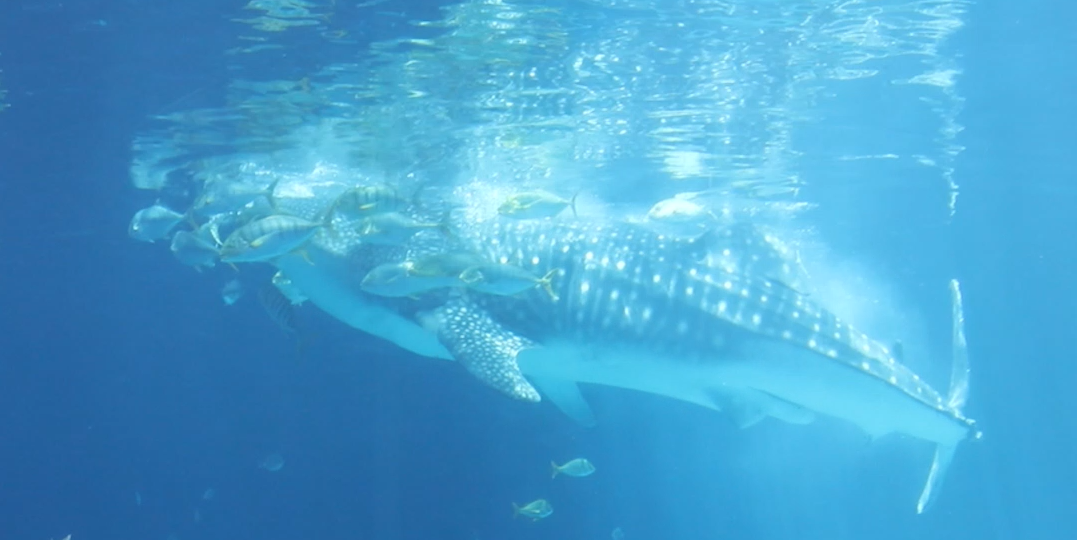
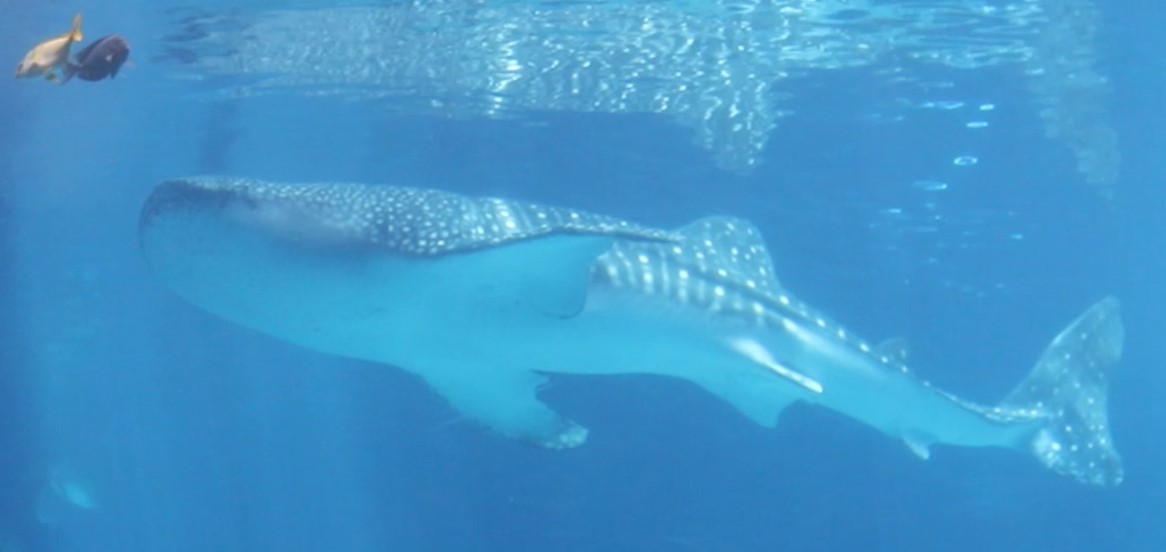
Measuring up to 40 feet long and weighing several tons, whale sharks are true behemoths. Their elongated bodies are adorned with a distinctive pattern of pale spots and stripes, adding to their charm. These magnificent creatures have wide, flattened heads with enormous mouths that can reach up to five feet in width. Their mouths are specially adapted to filter feed, as they glide through the water with grace and elegance.

Despite their immense size, whale sharks are gentle and pose no threat to humans. They are docile creatures with a friendly demeanor, making them a favorite among divers and snorkelers. These gentle giants have a calm and curious nature, often allowing humans to swim alongside them. Witnessing their massive bodies gliding effortlessly through the water is an awe-inspiring experience that leaves an indelible mark on the hearts of those fortunate enough to encounter them.

Whale sharks are known for their extensive migration patterns, traveling great distances across the world’s oceans. While scientists are still uncovering the mysteries of their migrations, it is believed that they follow food sources and warm waters. They often congregate in certain areas where plankton, their primary food source, blooms abundantly. Destinations like Mexico’s Isla Holbox, the Maldives, and the Philippines’ Donsol are renowned hotspots for whale shark sightings, attracting tourists and researchers alike.

One of the most fascinating aspects of whale sharks is their unique feeding method. Despite their massive size, they sustain themselves by consuming tiny organisms, such as plankton, krill, and small fish. As they swim with their mouths agape, water rushes in, carrying the prey. The whale shark’s elaborate gill rakers filter out the food while allowing water to escape, ensuring efficient feeding. This filter-feeding mechanism enables them to extract enough nutrition from their surroundings to support their enormous bodies.

Whale sharks face various threats, including habitat degradation, pollution, and accidental entanglement in fishing nets. To protect these magnificent creatures, conservation efforts have been initiated worldwide. Many countries have established marine sanctuaries and implemented regulations to ensure responsible tourism and limit human impact. Researchers and conservation organizations also study whale sharks to better understand their behavior, reproductive patterns, and migratory routes.

Whale sharks are extraordinary creatures that grace our oceans with their presence. Their sheer size, gentle nature, and unique feeding habits make them an awe-inspiring sight to behold. By fostering awareness, supporting conservation efforts, and respecting their natural habitats, we can ensure the continued existence of these incredible giants for generations to come.

The Whale Shark

Exploring the Wonders of the Georgia Aquarium

The Georgia Aquarium stands as an aquatic marvel in the heart of Atlanta, offering visitors an awe-inspiring journey through the underwater world. With its diverse marine life, engaging exhibits, and commitment to education and conservation, the Georgia Aquarium has rightfully earned its reputation as one of the premier aquariums in the world. As you read on you will dive into the depths of this captivating destination.

As you step into the Georgia Aquarium, you are transported to a world brimming with wonders. Spanning over 10 million gallons of water, the aquarium is home to an astounding array of marine species. From majestic beluga whales and gentle manta rays to fearsome sharks and vibrant tropical fish, the aquarium showcases the incredible biodiversity of our oceans. One of the most mesmerizing exhibits is the Ocean Voyager, featuring an enormous 6.3-million-gallon tank that houses whale sharks, the largest fish species on Earth. Watching these graceful creatures glide through the water is a truly humbling experience.

Beyond its captivating exhibits, the Georgia Aquarium is dedicated to education and conservation. Through interactive programs, live shows, and engaging presentations, visitors of all ages can learn about marine life, habitats, and the importance of preserving our oceans. The aquarium’s conservation efforts extend beyond its walls, as it actively supports research projects, rescue and rehabilitation initiatives, and sustainable practices.

The Whale Shark

For those seeking a deeper dive, the aquarium offers behind-the-scenes tours, allowing guests to witness the inner workings of the facility and gain insight into the care and well-being of the animals. These immersive experiences provide a unique perspective and foster a sense of stewardship towards the marine environment.

Visiting the Georgia Aquarium is not just a passive encounter; it is an interactive adventure. Children and adults alike can engage in activities such as touching sea creatures in the interactive touch pools or diving with whale sharks for a truly exhilarating experience. The aquarium also hosts sleepovers, enabling guests to spend the night surrounded by the gentle sway of the ocean, fostering a deep appreciation for marine life.

Apart from the captivating exhibits, the Georgia Aquarium offers excellent dining options, gift shops, and beautiful outdoor spaces where visitors can relax and reflect on their underwater journey. The aquarium’s commitment to accessibility ensures that everyone can enjoy its wonders, with accommodations for individuals with disabilities and special needs.

The Georgia Aquarium serves as a beacon of knowledge, conservation, and wonder, inviting visitors to explore the magnificence of the world’s oceans. It reminds us of the fragile beauty that lies beneath the waves and the importance of preserving it for future generations. Whether you’re a marine enthusiast, a curious learner, or simply seeking an unforgettable experience, the Georgia Aquarium is a must-visit destination that will leave you with a newfound appreciation for the wonders of the sea.

The Enigmatic Beauty of Jellyfish at the Georgia Aquarium

The Georgia Aquarium is known for its awe-inspiring collection of marine creatures, but one group of creatures stands out for its ethereal beauty and captivating presence—the jellyfish. These mesmerizing creatures, floating gracefully in their tanks, have become a favorite attraction for visitors.

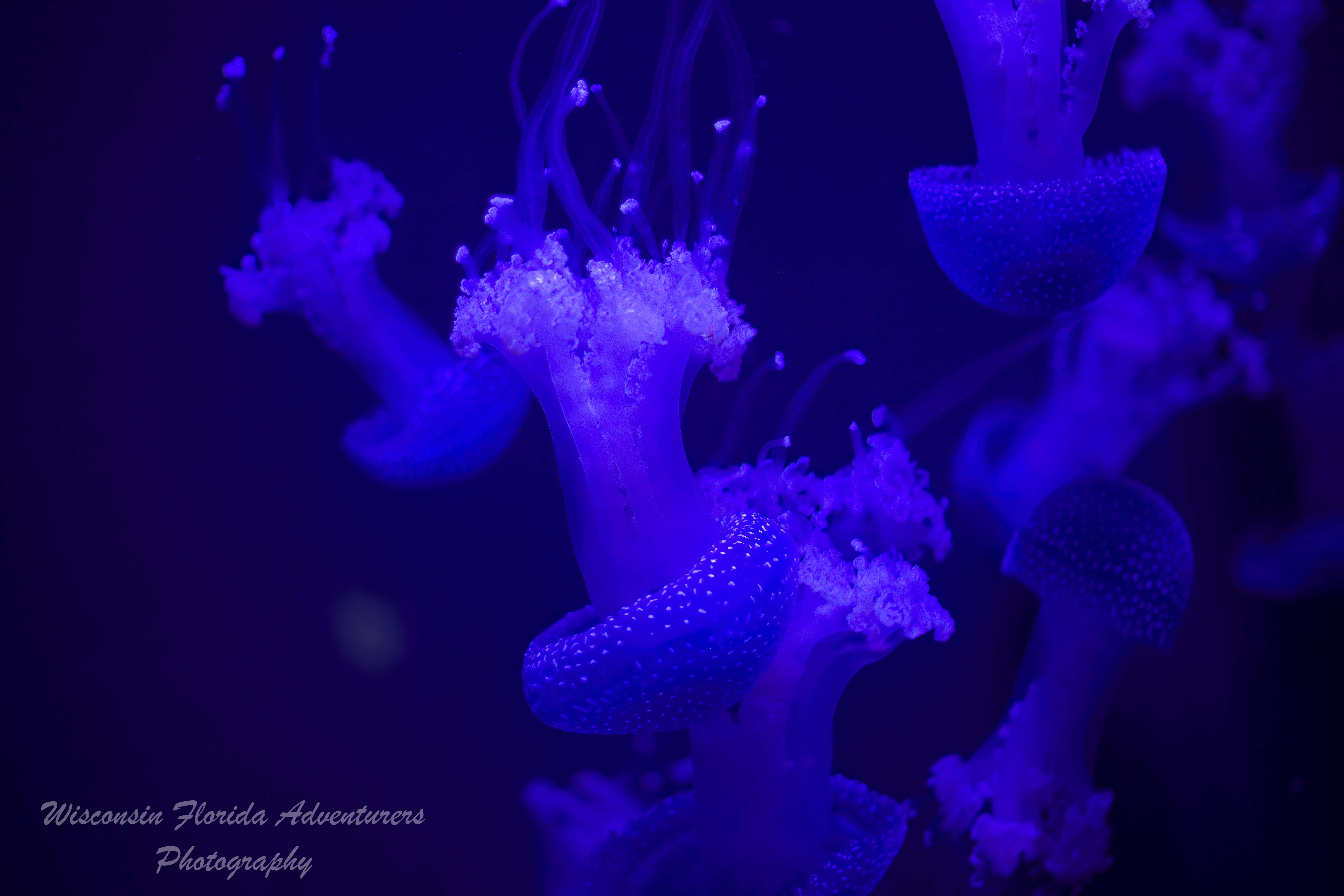
The Georgia Aquarium boasts an impressive variety of jellyfish species, each with its own unique characteristics and colors. Visitors are treated to a visual feast as they encounter moon jellies, sea nettles, upside-down jellies, and more. These displays showcase the diversity of shapes and sizes that jellyfish can exhibit, from delicate bell-shaped bodies to trailing tentacles that sway rhythmically with the water currents.

One of the most captivating aspects of jellyfish is their translucent bodies, which allow visitors to witness their internal structures and movements. With only a delicate network of pulsating muscles and intricate radial canals visible, jellyfish exemplify elegance in simplicity. Visitors can marvel at the hypnotic pulsations that enable jellyfish to move gracefully through the water, seemingly defying gravity.

Another fascinating feature of some jellyfish species is their ability to bioluminesce. The Georgia Aquarium creates a captivating display, highlighting this natural phenomenon. Under special lighting conditions, jellyfish showcase their ethereal glow, transforming their tanks into a mesmerizing spectacle of shimmering lights. This bioluminescence is thought to serve various purposes, from attracting prey to communicating with other jellyfish.

Beyond their aesthetic appeal, jellyfish play a crucial role in marine ecosystems, and the Georgia Aquarium takes the opportunity to educate visitors about their ecological importance. Exhibits often feature informative signage detailing the impact of jellyfish on the marine food chain, their role as indicator species for water quality, and their response to climate change. These educational efforts aim to foster awareness and appreciation for the delicate balance of our oceans.

The Georgia Aquarium actively contributes to conservation efforts aimed at protecting jellyfish populations and their habitats. Through research initiatives and collaborations with other organizations, they strive to better understand these enigmatic creatures and their ecological significance. By sharing their knowledge and advocating for sustainable practices, the aquarium plays a vital role in ensuring the preservation of jellyfish and the ecosystems they inhabit.

Visiting the Georgia Aquarium’s jellyfish exhibits is an enchanting journey into a world of ethereal beauty and mysterious elegance. These captivating creatures, with their translucent bodies, bioluminescent displays, and important ecological roles, leave a lasting impression on visitors. Through their conservation efforts and educational initiatives, the Georgia Aquarium ensures that the enigmatic allure of jellyfish continues to be celebrated while inspiring visitors to take action to protect our oceans. A trip to the Georgia Aquarium is incomplete without a visit to these mesmerizing jellyfish, reminding us of the breathtaking wonders that lie beneath the surface of our oceans.

Jellyfish of Georgia Aquarium

Paradise Found: Honeymoon Island State Park and Dog Beach

Looking for the perfect destination to celebrate your love while enjoying the natural beauty and serenity of a pristine beach? Honeymoon Island State Park and its enchanting Dog Beach is a spot you should consider. Nestled along the breathtaking Gulf Coast of Florida, this hidden gem offers a picturesque setting for a romantic getaway with your special person, a family outing or to spend time with your furry friend. With its beautiful sandy beaches, aqua colored waters, and awe-inspiring sunsets, Honeymoon Island State Park and Dog Beach promise an unforgettable experience. Let’s delve into the details and discover why this coastal haven should be at the top of your list of beaches to visit.

Honeymoon Island State Park: A Slice of Paradise Spanning over 4,500 acres, Honeymoon Island State Park boasts unspoiled natural beauty and a tranquil atmosphere that sets the stage for a truly magical honeymoon. As you enter the park, you’ll be greeted by lush vegetation, winding nature trails, and an abundance of wildlife. The park offers a variety of activities, including swimming, sunbathing, fishing, picnicking, and birdwatching, ensuring there’s something for every nature enthusiast.

Dog Beach: A Haven for Canine Companions One of the standout features of Honeymoon Island State Park is the designated Dog Beach. Here, your furry friend can frolic freely along the shoreline, dig in the sand, and enjoy the refreshing waters of the Gulf of Mexico. It’s a fantastic opportunity to create unforgettable memories with your four-legged companion and share the joy of your honeymoon island adventure. The dog Beach provides waste bags but bring your own water to ensure the comfort and convenience of both you and your dog’s day.

Stunning Sunsets: Nature’s Romance Imagine strolling hand in hand with your loved one, your dog happily exploring the beach beside you, as the sun begins its descent, painting the sky in vibrant hues of orange, pink, and gold. The sunsets at Honeymoon Island State Park are truly breathtaking and have become iconic. As the day comes to a close, find a cozy spot on the beach and witness nature’s own fireworks display. Capture the romantic atmosphere with photographs that will forever remind you of the beauty and tranquility of this special place.

Explore the Nature Trails: Adventure Awaits For the adventurous couple, Honeymoon Island State Park offers an extensive network of nature trails waiting to be explored. Lace up your walking shoes and embark on a scenic hike through the park’s diverse ecosystems, including coastal dunes, tidal marshes, and pine flatwoods. Keep your eyes peeled for the island’s abundant wildlife, such as ospreys, bald eagles, and gopher tortoises. The Osprey Trail is a favorite among visitors, offering panoramic views and opportunities for wildlife sightings.

Picnic in Paradise: Romantic Delights Indulge in a romantic picnic amidst the natural splendor of Honeymoon Island State Park. Pack a delicious spread and find a secluded spot on the beach or one of the park’s shaded picnic areas. Feel the gentle ocean breeze, savor the flavors of a sumptuous meal, and toast to your love as you take in the breathtaking surroundings. It’s the perfect opportunity to reconnect with your partner and create lasting memories in this idyllic setting.

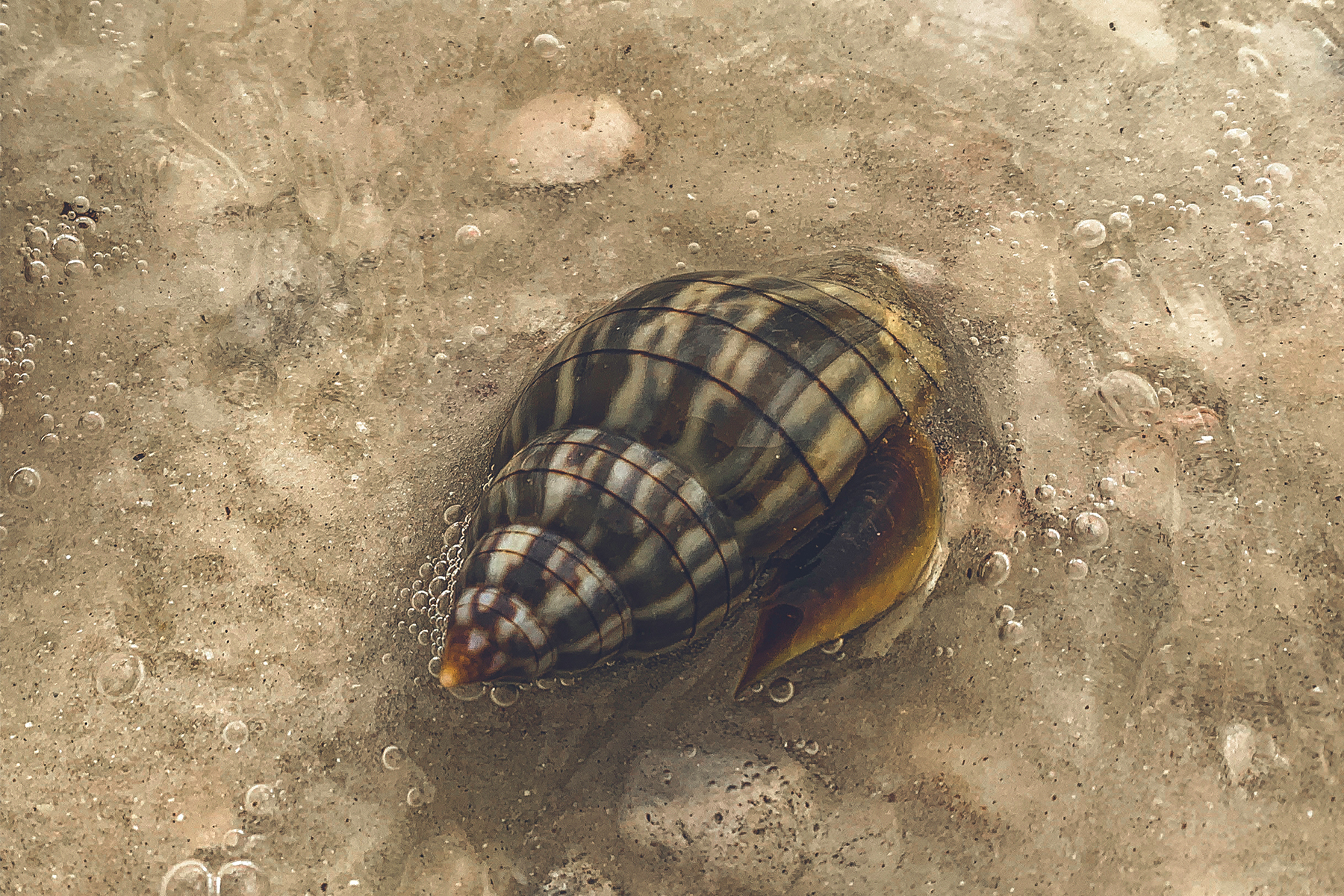
Shelling: Discover the tranquil beauty of Honeymoon Island State Park, where nature’s treasures await. As gentle waves kiss the shore, immerse yourself in the captivating world of shelling. With its pristine beaches and abundant seashells, this paradise becomes a haven for shell enthusiasts. Uncover unique treasures and create lasting memories on your honeymoon island adventure.

Honeymoon Island State Park and Dog Beach offer an exquisite backdrop for an unforgettable beach experience. From the miles of pristine beaches and crystal-clear waters to the incredible sunsets that paint the sky with vibrant colors, this coastal paradise is a haven for romance, relaxation or family fun. Whether you’re lounging on the beach, exploring the nature trails, or enjoying a picnic under the shade of a palm tree, every moment will be an experience and a memory you will cherish for years to come.

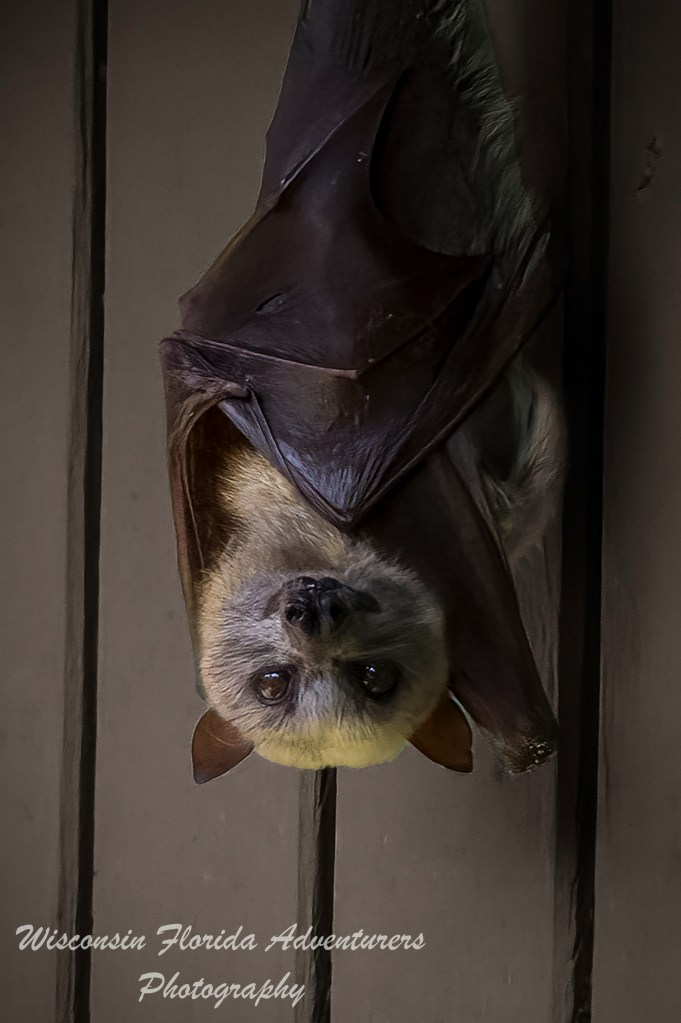
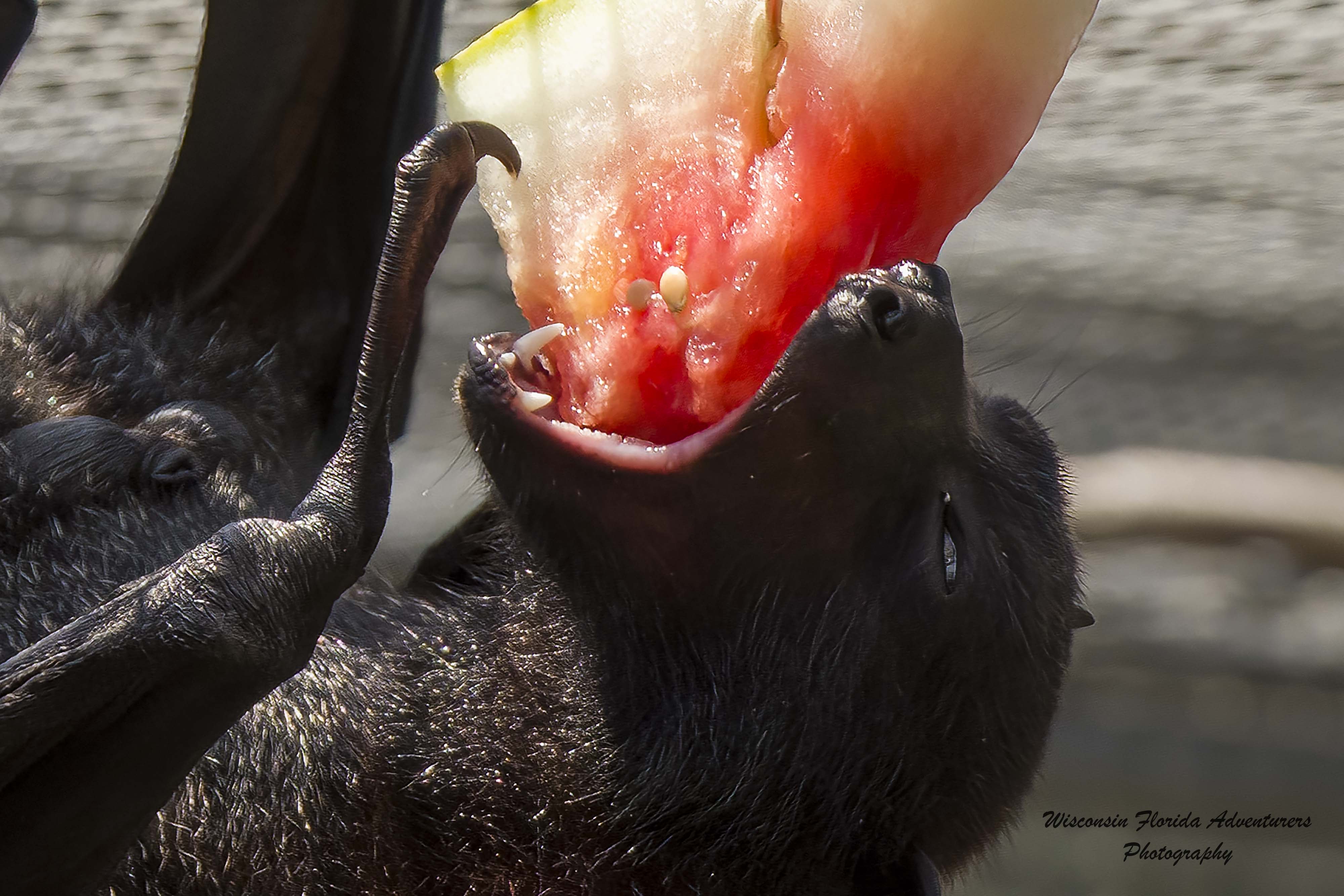
The Fascinating World of the Fruit Bat/Fox Bat

In the vast kingdom of mammals, one creature stands out with its unique characteristics and intriguing lifestyle—the fruit bat, also known as the fox bat. With their distinctive appearance and ecological significance, these fascinating creatures have captured the curiosity of both scientists and nature enthusiasts alike. In this blog, we delve into the world of fruit bats/fox bats and explore their remarkable features, behavior, and ecological importance.

The fruit bat/fox bat is renowned for its striking appearance. They are one of the largest bat species in the world, with a wingspan that can reach up to five feet. These bats have a unique fox-like face, hence their alternate name. Their fur ranges from shades of brown to gray, camouflaging them perfectly against the trees they roost in during the day.

These bats possess several remarkable adaptations that enable their nocturnal lifestyle. Their wings are incredibly thin and flexible, allowing them to perform intricate maneuvers while in flight. The elongated fingers of their wings provide excellent agility, making them highly skilled flyers. Additionally, their elongated snout and large eyes aid in efficient navigation and the detection of food sources.

Fruit bats/fox bats are primarily nocturnal creatures, spending their days hanging upside down in large colonies called roosts. These roosts can comprise thousands of individuals and are typically found in caves, trees, or man-made structures. At dusk, they emerge to forage for their preferred diet—fruit and nectar.

As important pollinators and seed dispersers, fruit bats/fox bats play a vital role in maintaining the balance of ecosystems. Their long tongues and sharp teeth are well-suited for feeding on nectar and fruit. By consuming these resources, they aid in the fertilization of flowers and the dispersal of seeds over large distances, contributing to the regeneration of forests and the diversity of plant species.

The ecological significance of fruit bats/fox bats cannot be overstated. Their feeding habits make them excellent agents of seed dispersal, helping to regenerate forests and maintain biodiversity. They have co-evolved with numerous plant species, forming mutually beneficial relationships. In some cases, fruit bats/fox bats are the only pollinators for certain plants, making them critical for the survival of those species.

Unfortunately, fruit bats/fox bats face several threats. Deforestation, habitat destruction, and hunting pose significant challenges to their populations. Conservation efforts are essential to protect these unique creatures and ensure the preservation of the ecosystems they contribute to.

The fruit bat/fox bat stands out as a remarkable mammal with its unique appearance, behavior, and ecological role. These bats play a vital role in maintaining the balance of ecosystems through their pollination and seed dispersal activities. Understanding and appreciating these fascinating creatures is crucial for their conservation and the preservation of the natural world they are an integral part of. By raising awareness about fruit bats/fox bats, we can contribute to their protection and promote the importance of biodiversity conservation as a whole.